U.S. Launches New Airstrikes On Iranian Missile Sites
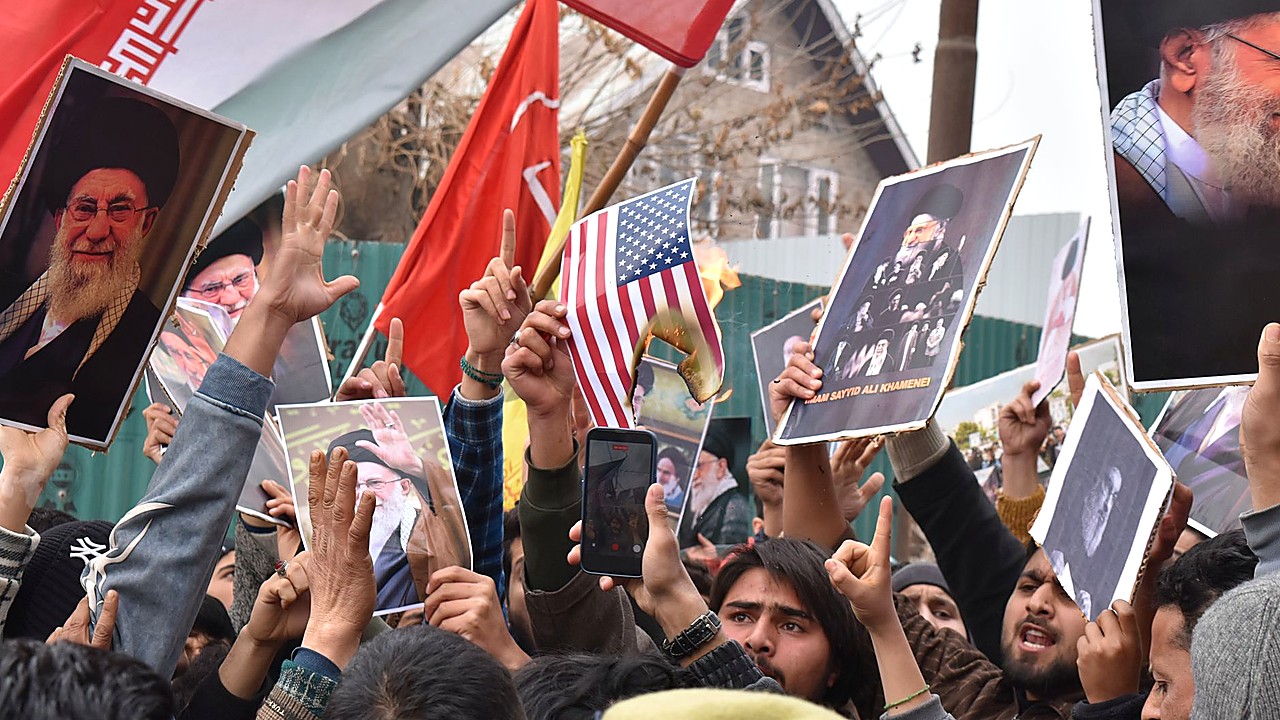
The United States launched a fresh wave of strikes on Iran, extending a rapidly escalating exchange of attacks between the two countries into a second day and heightening tensions across the Middle East.
Multiple outlets reporting live updates said the new strikes came as Iran carried out retaliatory actions and both sides signaled they were prepared for further military moves. The latest U.S. strikes were reported by the Financial Times, and continuing back-and-forth attacks were covered in live updates by The New York Times and other major news organizations.
The renewed U.S. action comes as the broader region braces for spillover. CNBC reported that oil prices rose and Gulf states were on alert as the U.S. and Iran launched a new wave of strikes. BBC coverage described strikes being exchanged across the Middle East for the second day in a row.
NBC News, in its live coverage, reported that Iran fired back and said the Strait of Hormuz was closed. The waterway is one of the world’s most critical routes for global energy shipments, and any disruption there can quickly affect markets and regional security calculations.
CNN reported that U.S. bases in the Middle East were facing a second night of retaliatory Iranian attacks. Those reports underscored the risk to U.S. personnel and facilities in the region as the conflict broadens beyond direct U.S.-Iran exchanges.
Al Jazeera reported that Tehran targeted Bahrain, Kuwait, and Jordan after new U.S. strikes. Those reports, alongside the broader live updates from other outlets, pointed to widening regional implications and increased pressure on neighboring governments.
Bloomberg reported that the U.S. strikes represented an escalation under President Donald Trump amid stalled peace talks. That framing highlighted the diplomatic backdrop even as military operations intensified.
The development matters because it combines direct U.S. military action against Iran with reported retaliatory steps and wider regional impacts, including energy-market volatility and heightened security risks for U.S. bases and allied nations. With multiple countries and key trade routes drawn into the picture, the situation has immediate consequences for regional stability and global economic confidence.
What happens next will depend on whether additional strikes occur and how governments across the region respond to the widening security threat. News organizations continued to publish rolling updates as the second day of exchanges unfolded, with attention focused on further military actions, the status of U.S. facilities in the region, and the implications of Iran’s statement about the Strait of Hormuz.
For now, the new wave of U.S. strikes marks another sharp turn in a fast-moving confrontation that is increasingly affecting the wider Middle East.