Apple Unveils Foundation Models For On-Device And Cloud AI
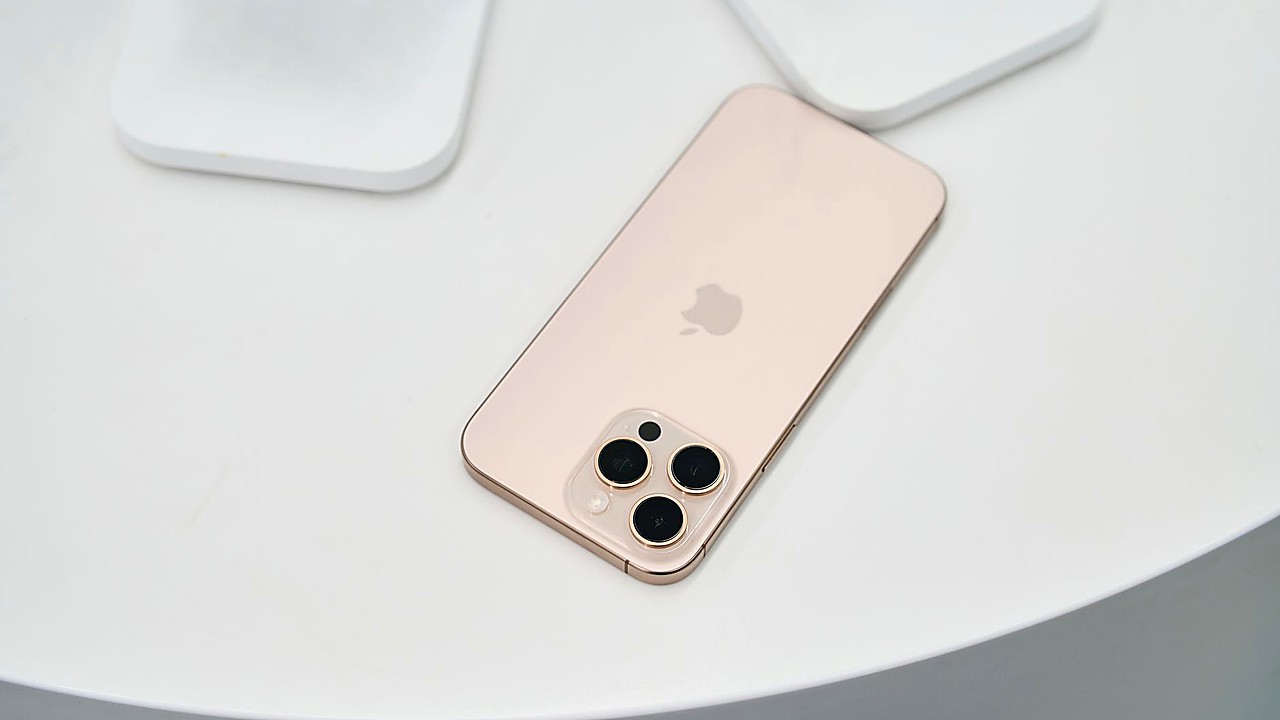
Apple has rolled out a new set of “Foundation Models” designed to power AI features across its products, splitting the work between on-device processing and cloud-based computing depending on the task. The approach is intended to let Apple run some AI directly on iPhones and other hardware while reserving more demanding requests for the cloud.
The models were detailed in recent coverage focused on how Apple is positioning its AI stack for Siri and other system experiences. The key idea is a tiered setup: smaller models that can operate locally on a user’s device, and larger models available through cloud infrastructure when more computing power is needed. That lets Apple offer AI features that can function even when a connection is limited, while still providing an option for more complex outputs.
The on-device component is aimed at everyday tasks that benefit from speed and local execution. When AI runs on the device, it can respond quickly and avoid sending certain data off the phone or computer. Apple’s framing of these “Foundation Models” also places emphasis on integrating AI into the operating system rather than treating it as a standalone app experience.
For larger or more resource-intensive tasks, Apple’s plan includes cloud AI. Cloud models can handle heavier computation than a phone or laptop typically can, which broadens the range of features Apple can offer without requiring top-tier hardware for every user. The split between local and cloud processing is also central to how Apple can scale AI capabilities across multiple product lines.
The development matters because it defines how Apple intends to compete in a market where AI assistants and generative tools are increasingly tied to platform loyalty. If Apple can deliver useful AI features that feel built-in and consistent across its devices, it strengthens the company’s ecosystem and gives developers a clearer path to add AI into their apps.
It also intersects with ongoing questions about what powers Siri’s next generation and how much external technology is involved. Recent headlines have included analysis and reporting about whether Apple is using Google’s Gemini in Siri-related features, including a MacRumors report stating Apple’s new AI models contain “none” of Google’s Gemini assistant. Taken together, the coverage underscores Apple’s effort to present its AI as Apple-built and Apple-controlled.
What happens next will depend on how widely Apple makes these models available to developers and how the company stages features across device generations. Some outlets have reported that certain Siri AI capabilities are expected to be limited to a smaller set of iPhone models, reflecting the practical constraints of running more advanced AI locally.
Apple’s foundation-model strategy draws a line for the next phase of its software: AI that can run on your device when it should, shift to the cloud when it must, and stay embedded in the platform either way.