Federighi Says Siri Will Not Serve As An AI Girlfriend
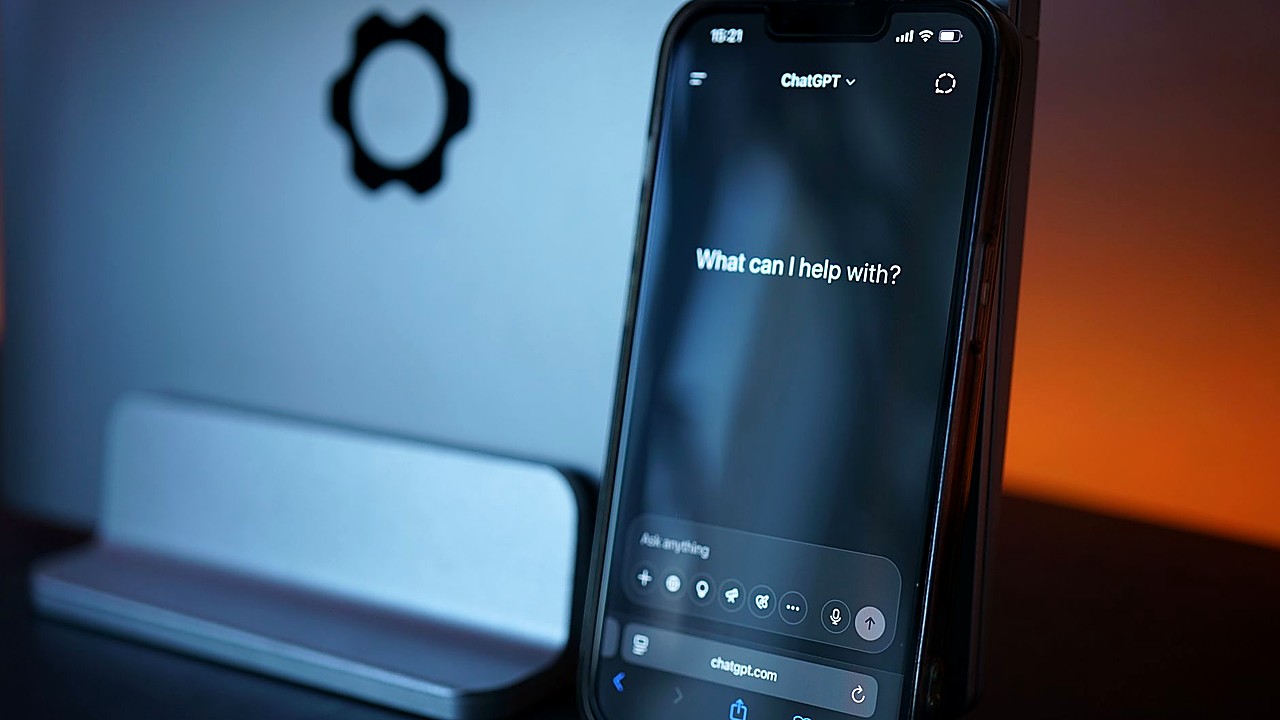
Apple software chief Craig Federighi said Apple is not building Siri to be an “AI girlfriend,” drawing a clear line on how the company intends people to use its updated voice assistant.
Federighi, Apple’s senior vice president of Software Engineering, made the comments as Apple has been promoting a newly improved Siri. In recent coverage of the rollout, Federighi emphasized that Apple’s approach is focused on practical use rather than creating an artificial companion designed for romance.
The remarks come amid broader attention on conversational AI products that can mimic friendship or intimacy. Federighi’s message was that Apple is not pursuing that category and is positioning Siri as a tool meant to help users get things done.
Apple has recently announced improvements to Siri, with multiple outlets describing changes that bring it closer to the “ChatGPT-style” assistants that have become common across the tech industry. Those reports have paired the new capabilities with Apple’s broader messaging about intentional product design.
Federighi’s statement matters because it sets expectations for users and developers about the boundaries of the Siri experience. As more AI systems become capable of extended, humanlike conversation, companies have faced increasing scrutiny over whether they are encouraging emotionally dependent relationships with software.
By explicitly rejecting the idea of Siri as a romantic partner, Apple is signaling a product philosophy that prioritizes utility and limits certain use cases. That stance also provides a clearer framework for how the company wants Siri to be perceived as it becomes more capable and more integrated into everyday tasks.
The comments also land as Apple navigates uneven timing for rolling out its upgraded Siri features in different regions. Recent reporting has highlighted delays in the European Union, with Apple and Brussels publicly pointing to each other as factors in the pace of the rollout. While those reports focus on regulatory and regional availability, Federighi’s remarks address a separate issue: what Siri is intended to be.
What happens next is the continued deployment and refinement of Apple’s improved Siri. Apple is expected to keep promoting new capabilities while maintaining guardrails around how the assistant interacts with users, consistent with Federighi’s stated position.
For users, the near-term takeaway is straightforward: Apple is upgrading Siri’s intelligence and conversational ability, but it is not marketing the assistant as a substitute for human relationships. Federighi’s comments make Apple’s intent plain as the company pushes Siri forward without turning it into a digital romance product.