Stranded Tankers Resume Hormuz Transit After Initial U.S.-Iran Deal
Stranded commercial ships have begun moving again through the Strait of Hormuz following an initial deal between the United States and Iran, according to a maritime data company.
The company reported that vessels that had been waiting to enter the narrow waterway have started transiting the strait, a key maritime corridor linking the Persian Gulf to the Gulf of Oman and beyond. The development follows news of an initial U.S.-Iran deal and comes amid heightened attention on shipping safety in the area.
The Strait of Hormuz is one of the world’s most important chokepoints for global energy and trade flows. It is routinely used by oil tankers, liquefied natural gas carriers, and other commercial vessels traveling to and from major Gulf ports. Any disruption can delay deliveries, strain supply chains, and raise costs for shippers and consumers.
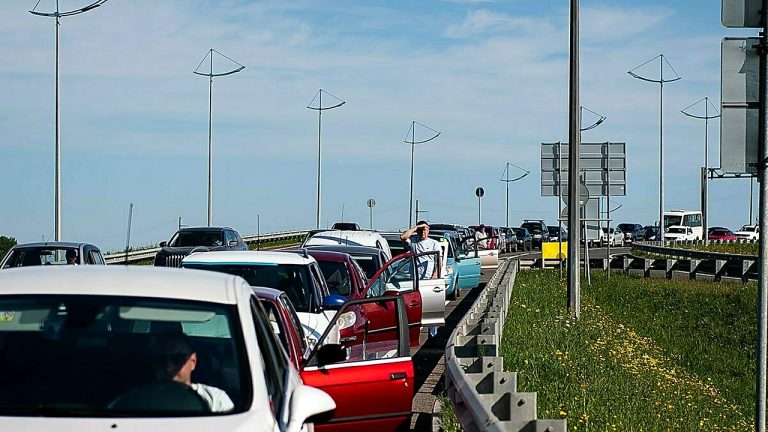
Recent reports indicated that some ships had been stranded or delayed as operators weighed security conditions and navigational risks. The resumption of transits suggests a measure of movement returning to a route that is central to international commerce, including exports from major regional producers.
Separate coverage has noted that the reopening of the strait does not automatically settle questions about safety for ships and crews. Operators typically rely on a mix of maritime advisories, insurer guidance, company risk assessments, and real-time traffic and incident updates when deciding whether to proceed.
Initial crossings have included large energy carriers. Bloomberg reported that the first Saudi supertankers started crossing after the deal, and other reporting has said that liquefied natural gas tankers have also begun transiting. The maritime data company’s tracking adds a broader indicator that traffic is beginning to normalize from earlier delays.
For the U.S. and Iran, the immediate significance of ships moving through Hormuz is practical as well as political. Commercial navigation through the strait is closely watched by governments, energy markets, and shipping firms because it reflects both the operating environment and the perceived risks in the region.
What happens next will depend on how consistently shipping traffic continues and whether operators judge conditions stable enough to maintain regular schedules. Maritime monitoring firms and news organizations are expected to continue tracking transits and reporting on vessel movements, while shipping companies and insurers reassess routing and security measures.
The return of ship traffic through the Strait of Hormuz is a notable sign of movement after delays, but the durability of that return will be tested by how safely and steadily vessels continue to pass through the corridor.