New Coalition Backs Worker Retraining As AI Reshapes Jobs
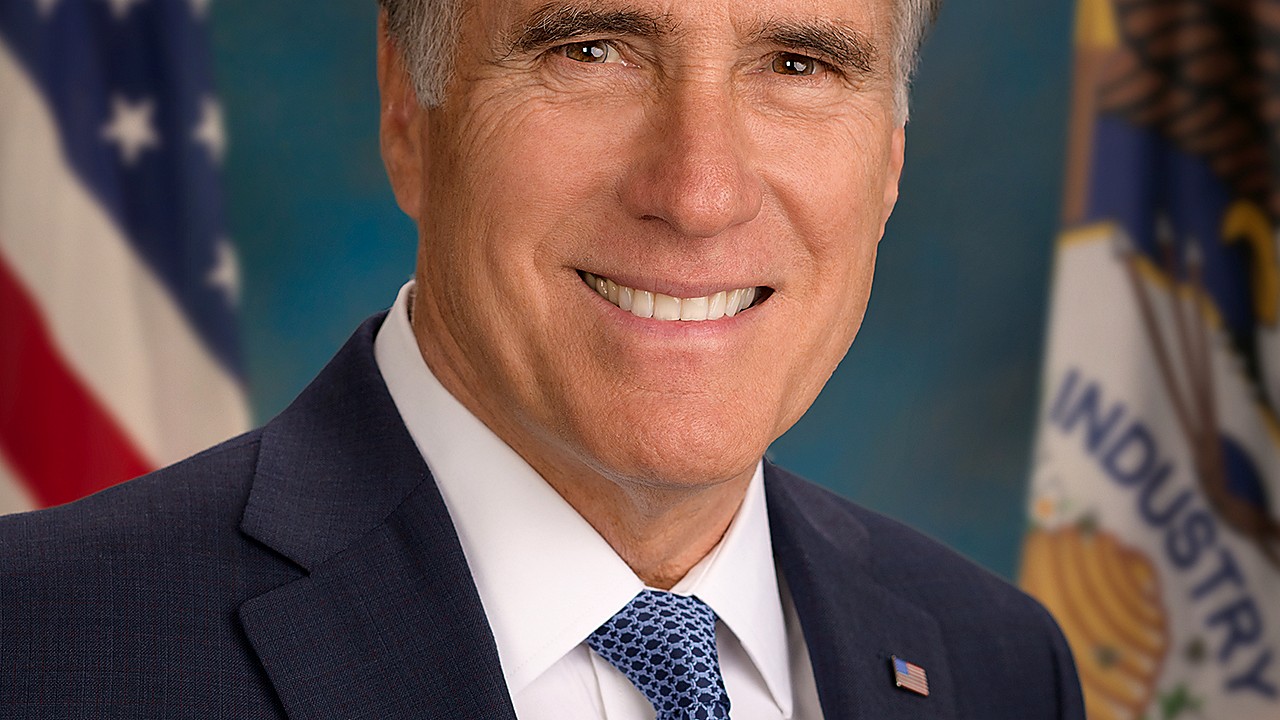
A new national group is being launched with the goal of helping workers and employers adjust as artificial intelligence reshapes jobs across the U.S. labor market. The initiative is positioning itself as a practical bridge between rapid changes in technology and the day-to-day reality of keeping people employed.
The effort arrives as AI tools are increasingly used in offices, factories and service workplaces, changing how tasks are done and what skills are required. The group’s central message is adaptation: preparing people to work alongside AI systems rather than being left behind by them.
According to the reporting, the organization is focused on helping people develop job-relevant skills and supporting pathways to employment as AI alters roles and workflows. It is also aimed at giving employers guidance as they integrate AI, with an emphasis on workforce readiness and continued access to jobs.
The group is being presented as a response to a fast-moving shift that is already playing out in hiring, training and job design. Employers are adopting AI for tasks ranging from drafting and analysis to customer interactions and back-office processing, and workers are being asked to learn new tools while maintaining productivity. The organization’s work is centered on helping people navigate those changes in a structured way.
The development matters because AI’s impact is not limited to one sector. As the technology becomes embedded in standard software and workplace systems, it can affect entry-level roles as well as specialized jobs, and it can change the mix of human and automated work inside the same position. That can create uncertainty for workers and planning challenges for employers that need staff who can operate new tools safely and effectively.
Workforce adaptation has become a major pressure point for businesses, educators and policymakers, and the appearance of a new group in this space signals an effort to coordinate responses. Training programs, credentialing, career pathways and employer partnerships are often fragmented, and workers can struggle to identify which skills will translate into stable employment. A national organization can add momentum by convening stakeholders and focusing attention on job transitions.
What happens next will be measured by whether the group can translate its mission into accessible training and clear routes to work. That includes reaching people whose jobs are changing, identifying in-demand skills tied to real openings, and working with employers that are rolling out AI tools across teams.
The coming months are expected to bring more detail on how the organization will operate, who will participate and what programs it will support. The need it is addressing is immediate: AI is already altering workplaces, and workers and employers are looking for concrete help navigating what comes next.
As AI continues to spread through the economy, the question is no longer whether jobs will change, but whether the systems to help people adjust will move quickly enough to keep workers connected to paychecks.