Tesla Reports Q2 2026 Vehicle Production Rose 6% Worldwide
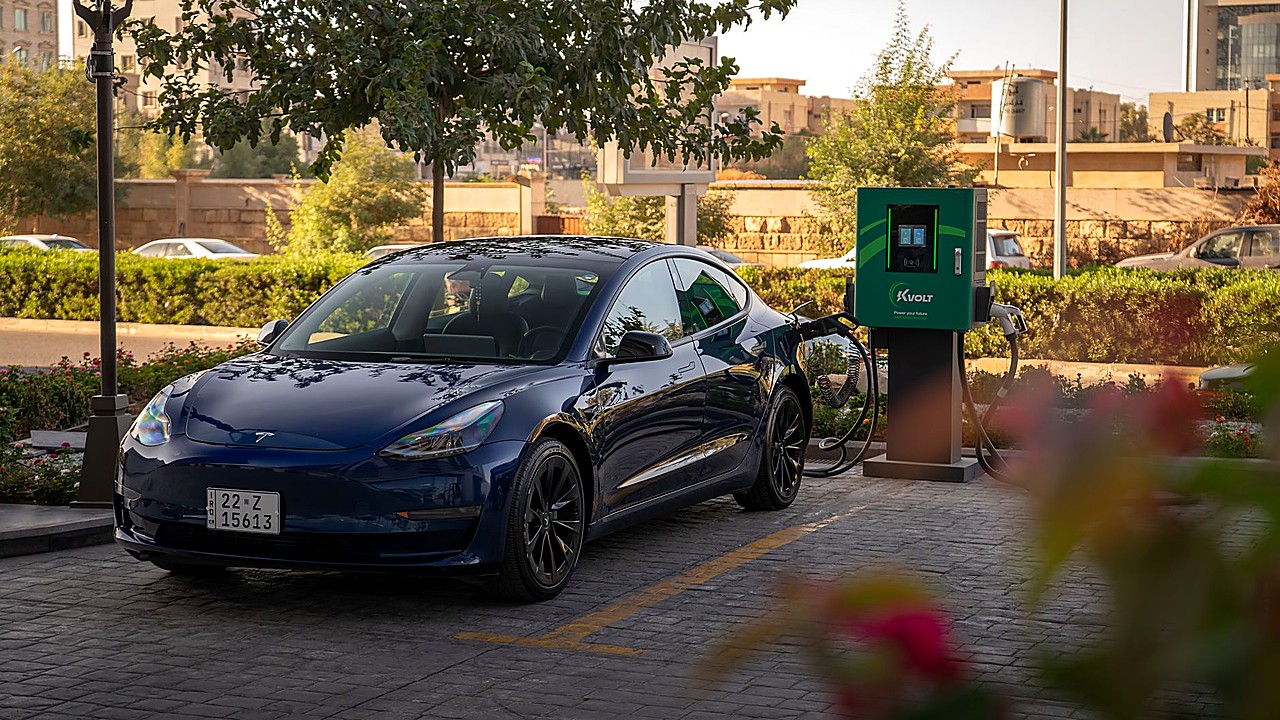
Tesla reported its second-quarter 2026 production, deliveries and energy storage deployments on Thursday, posting 480,126 vehicle deliveries for the three months ended June 30.
The company released the quarterly operational update covering vehicle production and deliveries as well as energy storage deployments. Tesla did not provide revenue, profit or margin figures in the update, which is separate from its quarterly earnings report.
Tesla’s reported 480,126 deliveries for the quarter came in ahead of estimates cited in recent coverage, including expectations referenced by Quartz and other outlets. CNBC also reported that deliveries rose 25% from a year earlier.
The update is one of Tesla’s most closely watched releases because the company’s delivery tally is a key indicator of near-term demand and sales volume. Investors and analysts often use the delivery figure as a proxy for quarterly automotive revenue ahead of the financial results, though Tesla’s reported deliveries do not directly translate one-for-one into recognized revenue.
Tesla’s quarterly production and deliveries also matter for assessing how quickly the automaker is converting manufacturing output into customer deliveries. The delivery number can influence market expectations for average selling prices, inventory levels and promotional activity, which in turn can affect profitability once the full earnings report is released.
In addition to vehicles, Tesla’s report included energy storage deployments, a metric tied to its battery-based grid and commercial products. The energy business has been an increasingly prominent part of Tesla’s operations and is tracked alongside vehicles in the company’s quarterly updates.
Tesla did not break out detailed regional results in the context provided, nor did it include model-specific splits here. The release, as referenced in the related headlines, focused on the headline delivery figure and the standard quarterly operational metrics.
The development is particularly important because it sets the baseline for how Wall Street and the broader market will frame Tesla’s upcoming quarterly earnings. A delivery result above widely cited expectations can shift analyst assumptions for the quarter’s sales volume and can alter the tone of near-term forecasts, even as questions about pricing and costs are typically answered later with the financial statements.
What happens next is Tesla’s second-quarter earnings release, when the company is expected to report revenue, automotive gross margin and cash flow, along with any management commentary on production, pricing and demand. Investors will also watch for updates on capacity, factory operations and the trajectory of Tesla’s energy storage business as deployment figures are put into financial context.
For now, Tesla’s second-quarter report provides a clear data point: the company delivered 480,126 vehicles in Q2 2026, giving markets a concrete measure of its sales momentum heading into the earnings report.