Oil Prices Rise After Reported Iranian Attack In Strait
Oil prices edged higher after a report said Iran attacked commercial ships in the Strait of Hormuz, a key chokepoint for global energy trade.
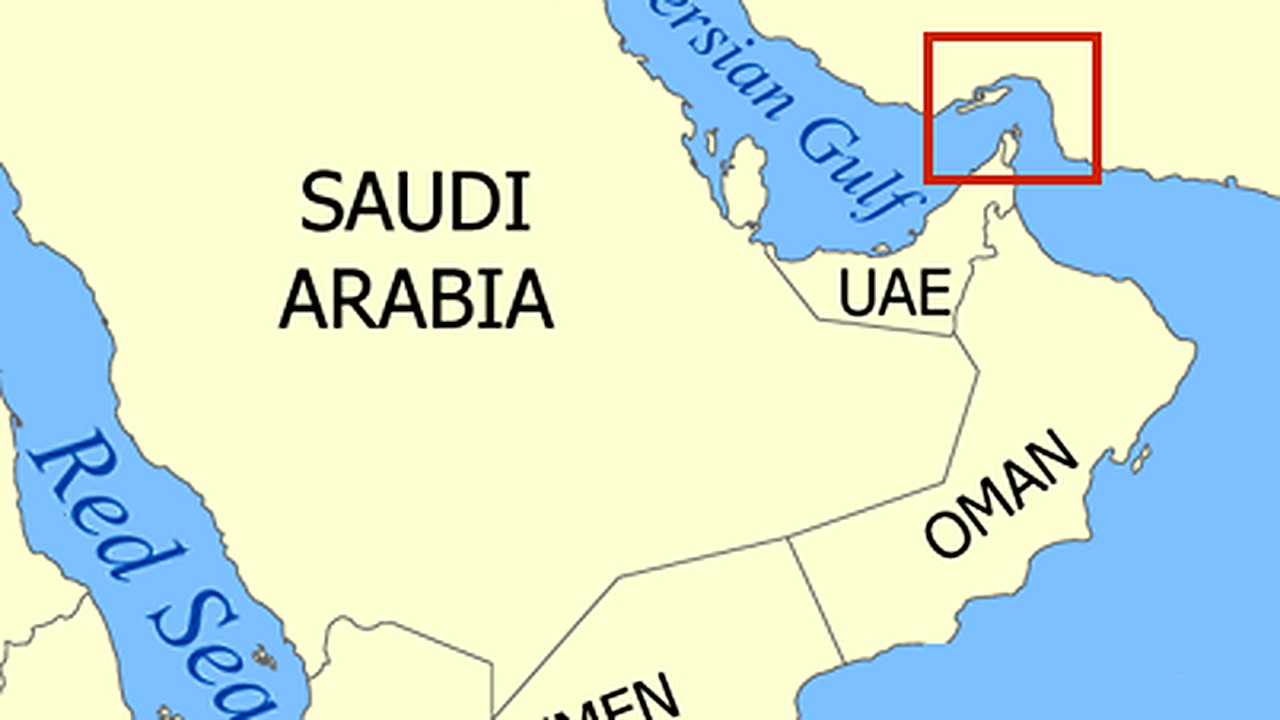
The move came as traders weighed the risk of disruption in the narrow waterway that links the Persian Gulf to the Gulf of Oman and the Arabian Sea. The Strait of Hormuz is one of the world’s most important routes for crude oil and refined products, and even limited incidents there can quickly influence pricing.
The report described an Iranian attack on commercial vessels transiting the strait. Other market updates cited a projectile striking a tanker in the area and pointed to renewed Middle East tensions as a supportive factor for crude. No additional verified details about damage, injuries, or the identity of the ships were provided in the available information.
The price gain was characterized as modest, reflecting a market balancing security concerns against other oil-specific pressures. One set of related market commentary noted that Hormuz risks were being weighed alongside Saudi price cuts and an OPEC+ supply boost. Another noted that oil’s advance coincided with a softer tone in other assets, including gold dipping, as investors recalibrated positioning amid the latest headlines.
This development matters because the Strait of Hormuz is routinely viewed by energy markets as a potential flashpoint. Any perceived threat to shipping there can lift crude prices by increasing the risk premium traders assign to near-term supply and delivery. For refiners, shippers, and end users, higher prices can translate quickly into higher costs for fuel, petrochemicals, and transportation, even if physical supply is not immediately disrupted.
The strait’s significance also extends beyond oil. Commercial shipping in the region is tied to broader trade flows, and heightened security concerns can affect insurance costs, routing decisions, and delivery schedules. Markets tend to respond rapidly to such reports because alternative routes are limited and the region’s export infrastructure is concentrated.
What happens next will depend on whether further incidents are reported and how governments and maritime operators respond. Traders will be watching for additional official statements, any changes to shipping advisories, and signs that traffic through the strait is being affected. Oil markets will also continue to track supply policy signals, including pricing decisions from major producers and any updates tied to OPEC+ production plans.
For now, the immediate effect has been a small upward move in crude, with the latest report reinforcing how quickly Strait of Hormuz security headlines can ripple through global energy markets.