Pressure Mounts On Platner To Exit Maine Senate Race
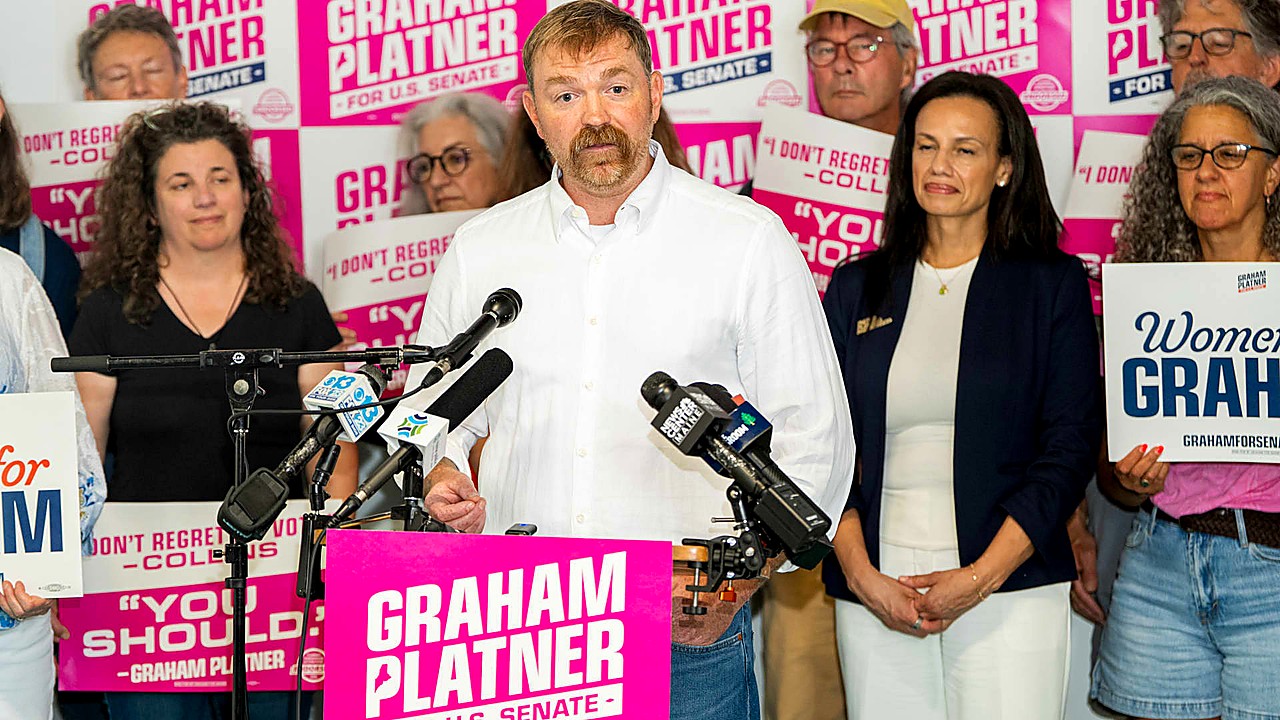
Pressure intensified Friday on Graham Platner to end his bid for the U.S. Senate in Maine after a sexual assault allegation prompted a growing list of Democratic leaders and allies to call for him to withdraw from the race.
Platner, a Democratic candidate, is facing public demands to step aside from Maine and national party figures as the allegation continues to hang over the campaign. The calls come as political support around Platner shows signs of eroding, with reports of allies pulling back and party leaders urging the campaign to shut down.
The dispute centers on an allegation of sexual assault. Details of the claim were not publicly laid out in the statements described by the reports, but the accusation has become the dominant issue in the Senate contest, shifting attention away from policy and onto questions of conduct, accountability, and political viability.
The pressure campaign has been notable for its breadth, with top Democrats described as pressing Platner to drop out. Coverage also indicates the push is not limited to Maine, reflecting concern among national Democratic leaders about the race and the party’s position going into a high-stakes federal election year.
This development matters because U.S. Senate races draw intense national attention and funding, and a prolonged controversy can reshape a contest quickly. Party leaders often seek to limit distractions that could damage a nominee, complicate fundraising, or weaken general-election prospects. Calls for a candidate to withdraw are also rare and politically fraught, signaling that leaders see the situation as serious enough to risk internal conflict.
The turmoil could have immediate consequences for the campaign’s day-to-day operations. When high-profile supporters and institutional allies pull back, campaigns can lose access to endorsements, donor networks, and organizational assistance that are critical for staffing, advertising, and voter outreach. Even if a candidate continues, the loss of support can force a campaign into a defensive posture at the very moment it needs to expand its coalition.
What happens next depends on Platner’s decision and the formal rules governing Maine’s Senate ballot. If Platner ends his campaign, party officials and other contenders would move quickly to consolidate support behind an alternative, while trying to keep the focus on the general election. If he stays in the race, party leaders could continue to distance themselves, and the contest could become increasingly defined by the allegation and the response to it.
In the coming days, attention will remain on whether Platner addresses the calls to step aside, how Democratic leaders in Maine respond, and whether more allies publicly withdraw support. The standoff is likely to reverberate beyond Maine as party officials weigh how to handle allegations against candidates in major races.
For now, Platner remains at the center of a political crisis that is testing party unity and threatening to reshape Maine’s Senate campaign.