Fact Check Finds Five False Trump Claims In Erdogan Meeting
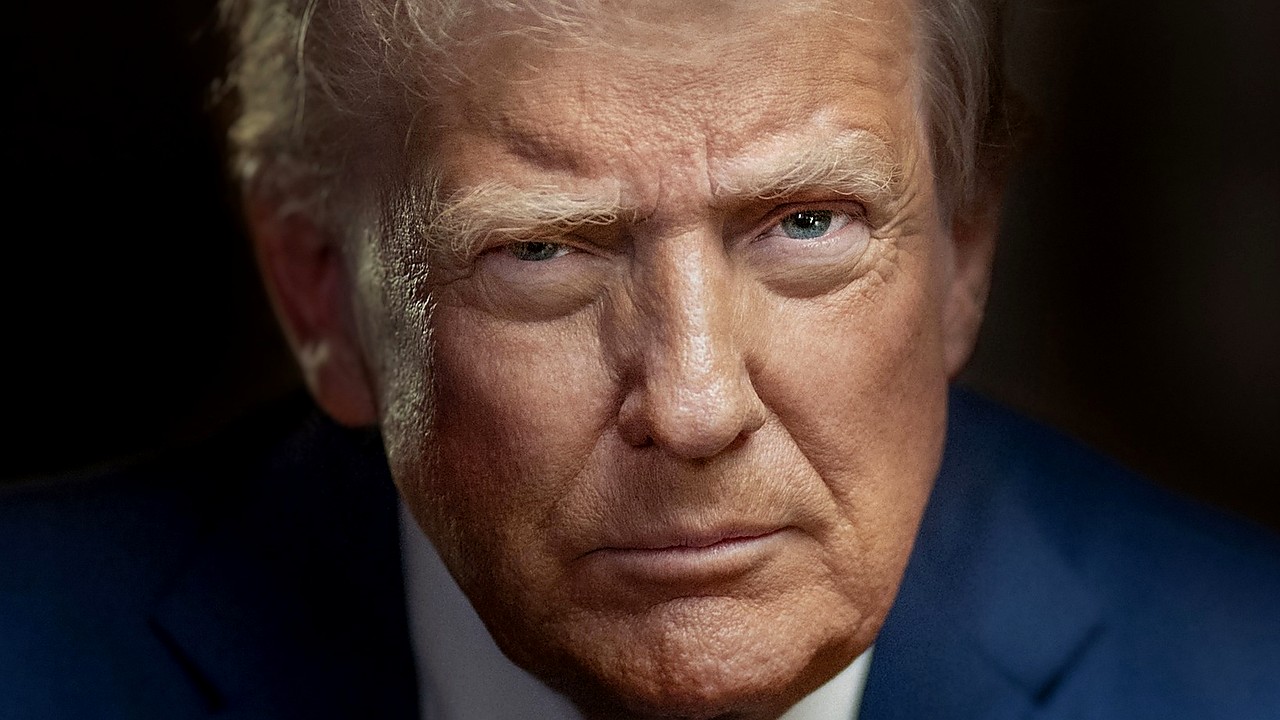
A new fact-check report has identified five false claims made by President Donald Trump during a single meeting with Turkish President Recep Tayyip Erdogan, according to CNN.
The CNN report centers on statements Trump made in the presence of Erdogan and describes them as false based on the outlet’s review. CNN’s account frames the meeting as notable not only for its diplomatic context, but also for the volume of inaccuracies packed into one session.
CNN did not describe the meeting as an offhand exchange. The report treats the claims as formal remarks made during a high-profile engagement with a foreign leader, where statements can carry added weight because they are delivered on the record and often become part of the public understanding of U.S. policy and international relations.
Fact-checking in this setting matters because U.S. presidents communicate not just to domestic audiences but to allies, adversaries, markets, and diplomats who parse every word for policy signals. When a president makes inaccurate assertions in a meeting with another head of state, it can complicate efforts to clarify official positions and can affect how the United States is perceived abroad.
It also places additional pressure on U.S. agencies and diplomats who may need to correct the record in subsequent briefings or private conversations. Public remarks during leader-to-leader meetings are routinely cited in future negotiations and media coverage, making accuracy important for accountability and for maintaining a consistent message.
CNN’s report underscores the role of independent verification in political coverage, particularly around presidential statements made in settings that can influence public opinion and diplomatic narratives. Fact checks do not change what was said, but they can shape how those statements are understood and evaluated, especially when they involve verifiable matters rather than opinion.
What happens next will depend on how the White House and Trump respond to CNN’s findings, and whether the specific claims cited in the report are addressed publicly. In similar situations, news organizations often continue to seek comment from relevant officials and may publish follow-up reporting if new information emerges or if a disputed statement is clarified or corrected.
For now, the development adds to the ongoing scrutiny of presidential accuracy in public remarks, with CNN’s report documenting multiple false claims connected to a single meeting with a major U.S. ally and NATO partner.
The broader takeaway is straightforward: when presidents speak in high-level diplomatic settings, the factual record matters, and inaccuracies can quickly become their own consequential story.