Graham Platner Suspends Maine Senate Campaign After Assault Claim
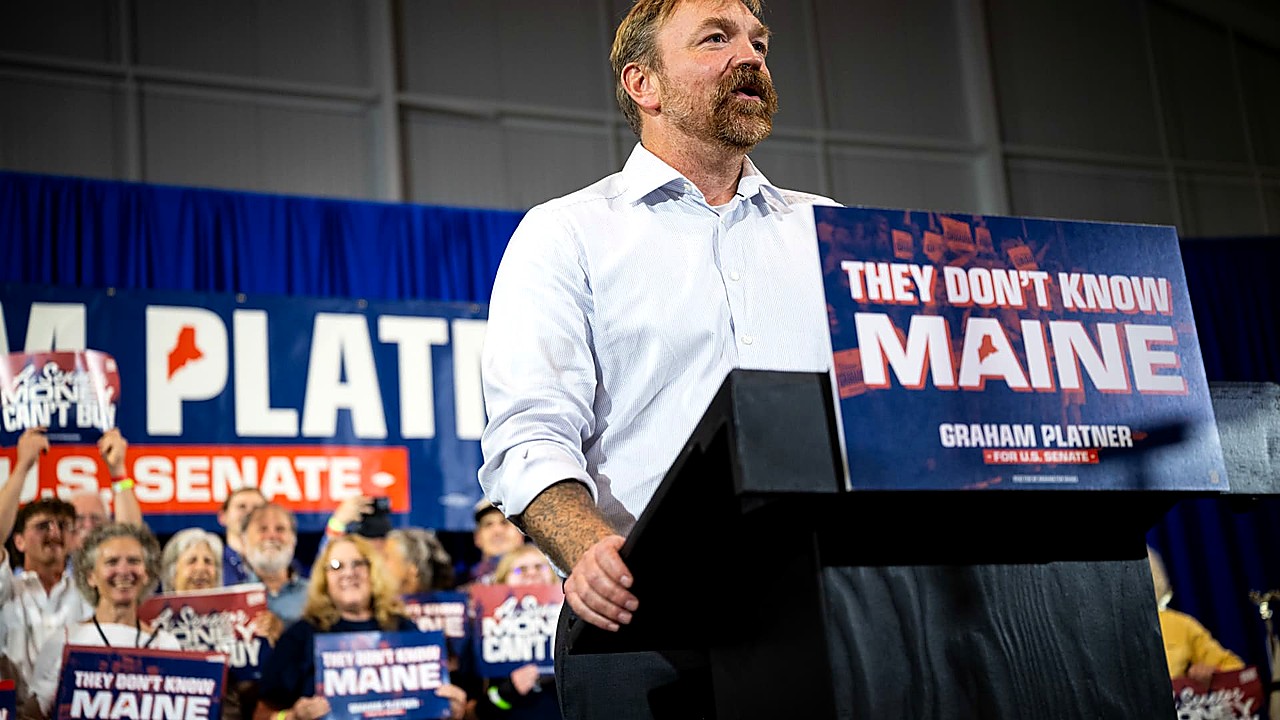
Graham Platner has suspended his campaign for the U.S. Senate in Maine following a sexual assault allegation, a move that immediately reshapes the state’s high-profile race and intensifies pressure on Democrats to settle on a path forward.
Platner, a Democratic candidate, announced he was halting campaign activity after the allegation became public and calls grew for him to step aside. Multiple news outlets, including CBS News, CNBC, ABC News, PBS, The Guardian and News Center Maine, reported the suspension and the political fallout that followed.
The development centers on an allegation of sexual assault against Platner. The reports describe the claim as the catalyst for mounting demands from within Democratic circles and the broader political community for Platner to end his bid. Coverage also described the situation as triggering a scramble among Democrats and raising questions about the future of the party’s effort to compete in the Maine Senate contest.
Platner’s decision matters because it changes the dynamics of a statewide race with national implications. A Senate campaign is heavily dependent on candidate credibility, fundraising capacity and party unity. An abrupt suspension disrupts all three, forcing campaigns, donors and party leaders to reassess strategy while voters are left with uncertainty about who will represent the party on the ballot.
It also adds urgency to internal party decision-making. Reports characterized the moment as a “succession fight” and an “election scramble,” reflecting the reality that replacing or reconfiguring a Senate campaign is complicated and time-sensitive. Any extended period of indecision can have consequences for organizing, advertising plans, debate preparation and coordination with allied groups.
The suspension is likely to reverberate beyond Maine. U.S. Senate races are closely watched because a single seat can affect control of the chamber, committee leadership and the fate of major legislation. Even when a campaign does not formally end immediately, a suspension can function as a major turning point by freezing momentum and shifting attention to potential alternatives.
What happens next will depend on Platner’s formal plans for the campaign and on how Maine Democrats proceed. News reports have described calls for Platner to drop out, suggesting continued pressure for a definitive resolution. The party’s next moves could include consolidating behind another candidate, navigating any procedural steps required under Maine election rules, and quickly rebuilding a campaign infrastructure capable of competing statewide.
For voters, the immediate next phase will be marked by rapid developments and heightened scrutiny, as political leaders and potential contenders respond to the vacancy created by a suspended campaign and the controversy that prompted it.
Platner’s suspension has turned the Maine Senate race into a test of crisis response and party cohesion, with the next decisions set to shape the contest’s trajectory in the weeks ahead.