U.S. Launches Strikes On Iran After Hormuz Attacks Escalate
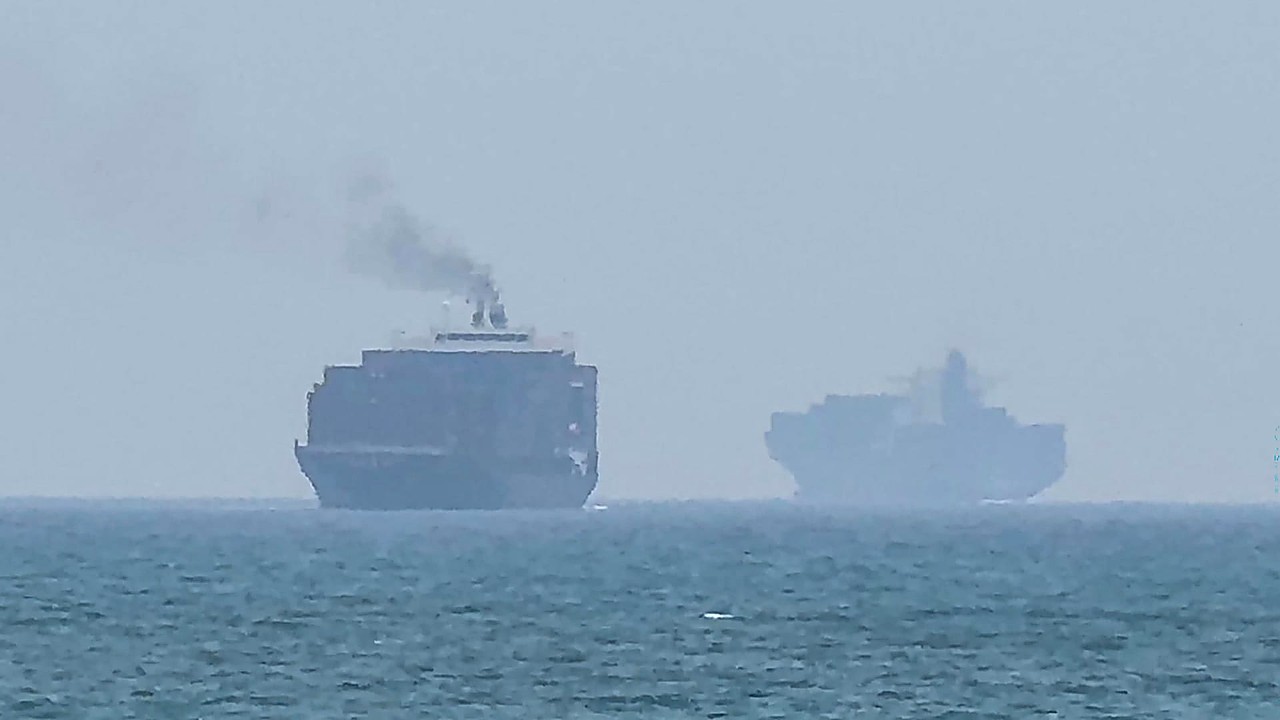
The United States and Iran exchanged new rounds of strikes as tensions rose over the Strait of Hormuz, a critical shipping route for global energy supplies. The latest attacks marked an escalation in a standoff that has drawn intensified international attention and raised concerns about broader regional stability.
U.S. strikes hit targets in Iran in what multiple outlets described as a new wave of attacks. Iran, in turn, carried out strikes of its own, continuing a cycle of action and retaliation tied to the dispute over the strait. The Strait of Hormuz, a narrow maritime chokepoint, sits between Iran and Oman and is central to the movement of oil and other commercial cargo.
The reported developments were framed by several news organizations as a widening confrontation. The Guardian reported that Tehran said diplomacy had proven “futile,” underscoring the hardened public posture surrounding the latest military moves. Other coverage characterized the situation as a “standoff” that is escalating, with both countries trading additional attacks.
The U.S. position on maritime access was also emphasized in related reporting. One headline said the United States insisted the Strait of Hormuz is open, reflecting the high stakes for commercial shipping and the broader global economy. Any sustained disruption in the strait would have immediate implications for energy markets, insurance costs, and shipping routes, along with political and security consequences for countries that rely on stable transit through the waterway.
The exchange of strikes matters because it increases the risk of miscalculation in a region where U.S. forces, Iranian forces, and international commercial traffic operate in close proximity. As the dispute tightens around the Strait of Hormuz, even limited military actions can amplify uncertainty for maritime operators and governments monitoring the safety of sea lanes.
It also matters because the confrontation has moved beyond rhetoric into repeated military action described as “new rounds” and “more strikes.” That characterization suggests the situation is not a single isolated incident but an evolving series of escalatory steps, with each side demonstrating an ability and willingness to respond.
What happens next will depend on whether the pace of strikes continues and whether either side signals a change in approach regarding the strait. With major news organizations reporting additional U.S. strikes and Iranian retaliation, the immediate outlook points to heightened alert levels and intensified scrutiny of shipping activity in and around the Strait of Hormuz.
Diplomatic efforts, where they exist, now face the added challenge of an active exchange of attacks. As officials and international partners assess the latest developments, attention will remain focused on whether the strait stays open for commercial transit and whether further military operations are announced.
For now, the standoff over one of the world’s most important maritime chokepoints has sharpened into a direct U.S.-Iran exchange of force, with global consequences riding on what comes next.