Kevin Warsh Testifies Before Senate Banking Committee On Rates
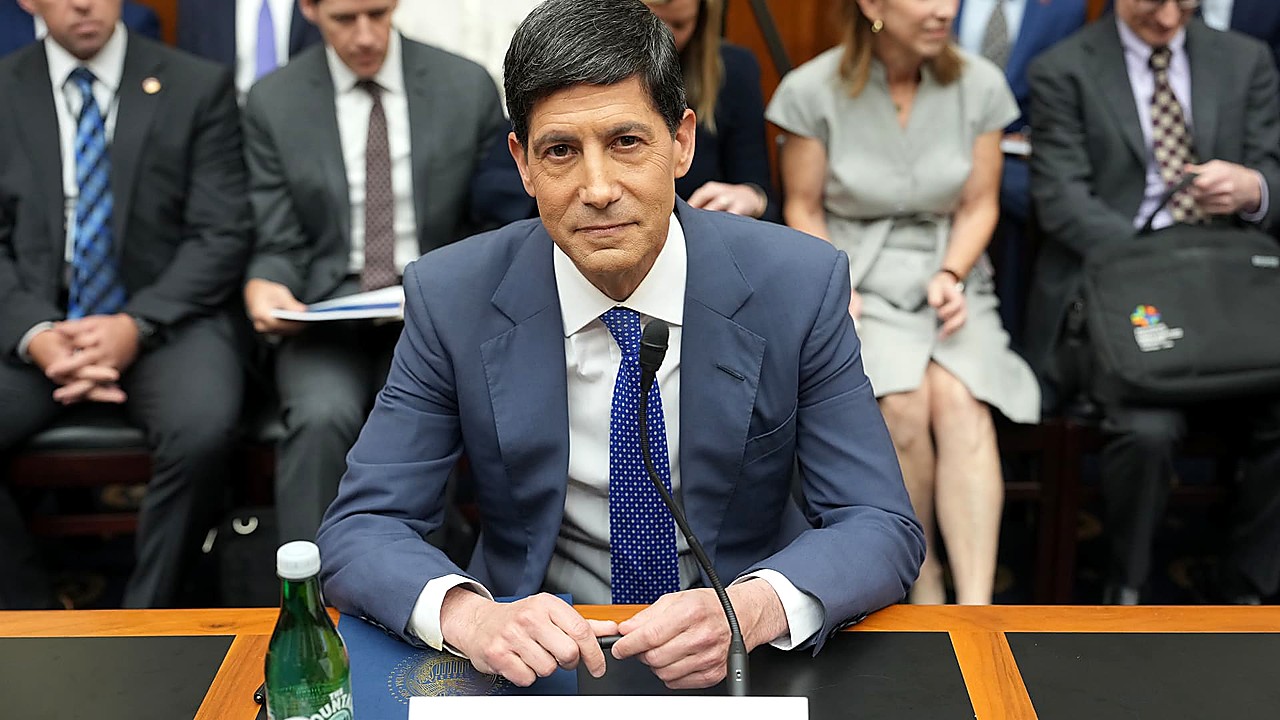
Federal Reserve Chairman Kevin Warsh appeared on Capitol Hill on Tuesday to testify live before the Senate Banking Committee, facing lawmakers’ questions on inflation and the central bank’s monetary policy outlook.
The hearing brought Warsh before the committee that oversees many of the Fed’s core responsibilities, including its role in supporting stable prices and maximum employment. Senators were expected to press him on recent inflation readings, interest-rate decisions, and how the Fed is weighing risks to the broader U.S. economy.
Warsh’s appearance follows related hearings in the House, where he has also testified on inflation and the state of the economy. Those sessions have drawn questions about how long the Fed intends to keep policy restrictive and what conditions could prompt a shift in its approach.
In the Senate hearing, lawmakers also signaled interest in how fast-growing technologies intersect with the financial system. Sen. Tim Scott has said he wants to question Warsh about data centers and artificial intelligence, topics that increasingly touch power demand, investment trends, and the infrastructure that supports modern commerce.
The development matters because the Fed’s policy decisions influence borrowing costs across the economy, from mortgages and auto loans to business financing and credit cards. Public testimony provides one of the clearest windows into how the central bank is interpreting economic data, what it views as the biggest risks to its inflation goals, and how it communicates its strategy to markets and consumers.
The hearing is also a high-stakes moment for the Fed’s relationship with Congress. While the central bank is independent in setting monetary policy, lawmakers use these appearances to scrutinize its performance and press for clarity on the tradeoffs involved in fighting inflation, including the potential effects on jobs and growth.
Warsh’s testimony adds to a series of public appearances that, taken together, shape expectations about the Fed’s next steps. When the chair speaks under questioning, investors, businesses, and households listen closely for consistent messaging on the path of interest rates and the central bank’s confidence in bringing inflation down.
Next, Warsh is expected to continue meeting with lawmakers as the Fed maintains regular communication with Congress through scheduled hearings. The committee’s questioning will be followed by further coverage and analysis as policymakers and market participants compare his answers with the Fed’s recent statements and decisions.
For the Senate Banking Committee, the hearing offers a chance to put specific concerns on the record and seek commitments on transparency, oversight, and how emerging economic forces are being considered alongside traditional measures like inflation and employment.
Warsh’s appearance underscores that the Fed’s fight against inflation, and the policy choices tied to it, remain a central focus in Washington.