Thousands Protest In Kyiv After Zelenskyy Fires Defense Minister
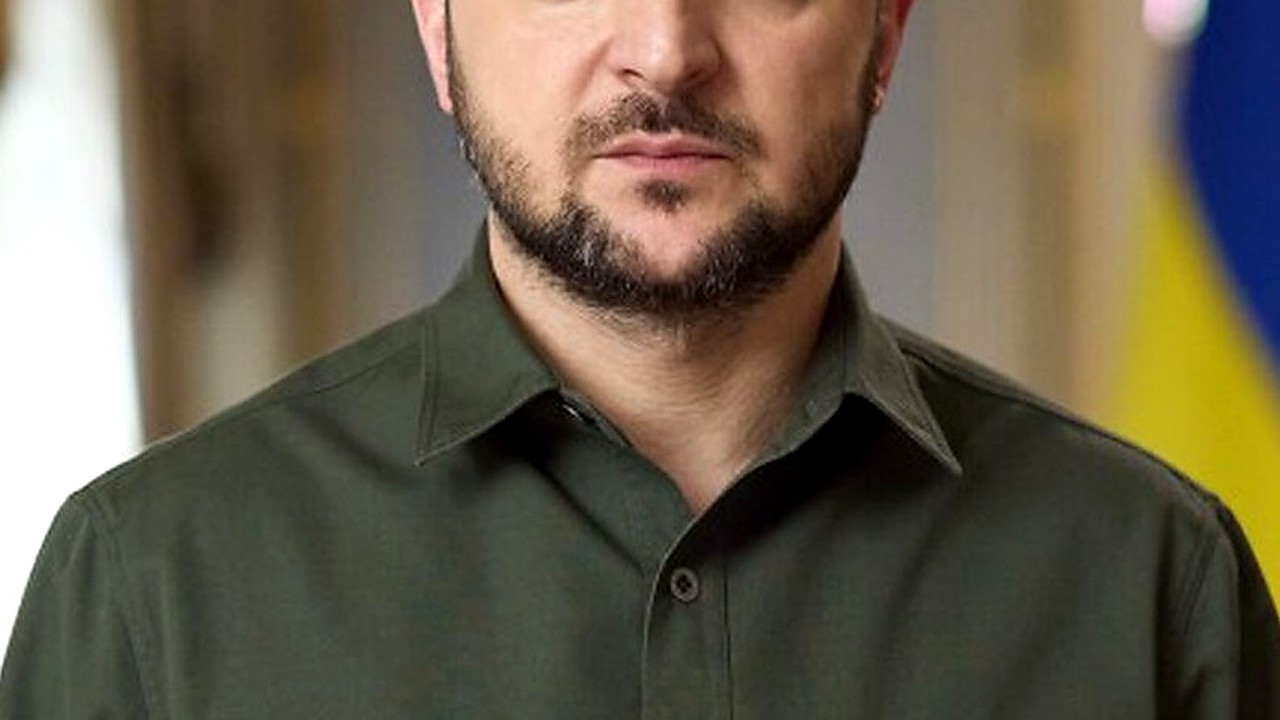
Thousands of Ukrainians rallied in public demonstrations after President Volodymyr Zelenskyy dismissed the country’s defense minister, a move that prompted rare street protests during the war and sharpened political tensions in Kyiv.
Crowds gathered in the capital and other locations as opposition to the shake-up spread beyond online criticism and into the streets. Protesters criticized the decision as destabilizing at a time when Ukraine’s military faces continued pressure on the battlefield and relies heavily on foreign military support.
The protests followed Zelenskyy’s abrupt removal of the defense minister, described by multiple outlets as popular. The dismissal set off a fast-moving political dispute that has widened into a broader debate over wartime leadership, accountability, and continuity at the top of the security establishment.
Reports from Financial Times and Al Jazeera described significant demonstrations in Kyiv, while CNBC and France 24 reported that Ukrainians took to the streets after the surprise ouster. Reuters characterized the fallout as a political crisis, underscoring the intensity of the reaction to a decision that would typically be handled inside government offices rather than on the streets.
The change at the Defense Ministry came as lawmakers separately approved Koretskyi as the country’s new prime minister, according to DW. France 24 also reported that Koretskyi’s appointment occurred amid protests over the defense minister’s departure, adding another high-level leadership transition to an already volatile political moment.
Euronews reported that the dismissed minister, identified as Fedorov, publicly accused Ukraine’s army chief of fueling divisions and incompetence. That allegation added another layer to the controversy, shifting the dispute from a single personnel decision to a broader clash among senior officials over management of the war effort.
This development matters because Ukraine’s political stability and unity are central to sustaining domestic morale and maintaining confidence among international partners. Leadership changes at the top of defense and government can affect how quickly decisions are made, how policy is communicated to the public, and how effectively Ukraine coordinates with allies supplying weapons, training, and financial assistance.
Public protests also represent a significant signal in a country operating under wartime strain. Visible dissent against a major presidential decision can deepen political polarization and complicate the government’s ability to project cohesion, particularly as it seeks to manage battlefield demands, recruitment pressures, and international diplomacy.
What happens next will depend on how Zelenskyy’s administration manages the transition at the Defense Ministry and addresses the criticism driving people into the streets. Attention is likely to focus on the incoming leadership team, the government’s messaging about the dismissal, and whether the dispute inside the security establishment escalates or is contained.
For now, the protests have turned a personnel change into a national flashpoint, testing how Ukraine’s wartime leadership navigates dissent while the conflict continues.