Rounds Praises Warsh Tone In First Testimony As Fed Chair
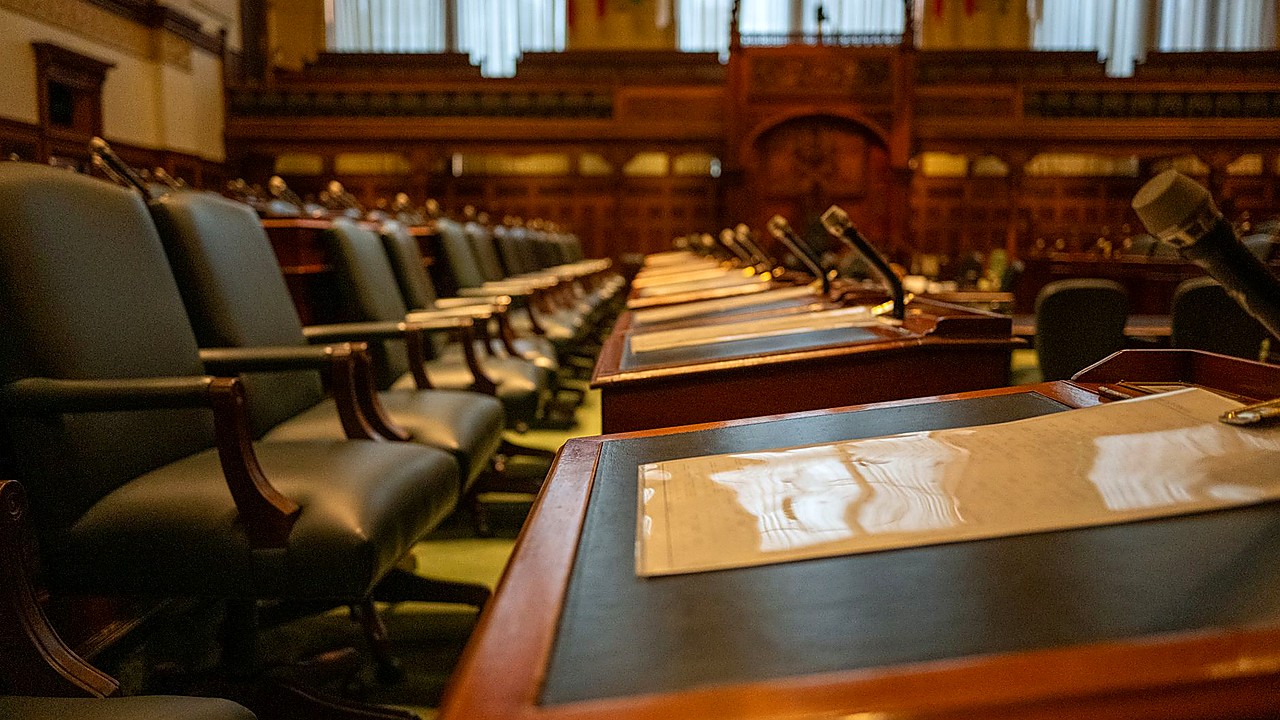
Sen. Mike Rounds, a South Dakota Republican on the Senate Banking Committee, said he liked the “tone” Federal Reserve Chair Kevin Warsh struck during Warsh’s first appearance before the panel, after a hearing that featured sharp exchanges over inflation, artificial intelligence and Warsh’s contacts with President Donald Trump.
Warsh’s testimony marked his congressional debut as Fed chair and quickly drew pointed scrutiny from Democrats, including Sen. Elizabeth Warren of Massachusetts, who accused the central bank of ethical lapses and raised allegations of corruption. Warsh, appearing before the Senate Banking Committee, pushed back amid questions about ties to Trump and the Fed’s internal approach, as well as lawmakers’ concerns about the direction of economic policy.
Rounds’ comments, highlighted by CNBC, underscored a partisan split that emerged during the hearing. Republicans on the committee broadly signaled they were open to Warsh’s posture and presentation, while Democrats pressed him on issues ranging from inflation to the Fed’s relationship with the White House and oversight of financial institutions.
According to related coverage of the hearing, Warsh sidestepped some Senate questions on inflation, AI and contacts with Trump. He also warned about the risks of “2008-style bailouts,” framing the message as a caution against policies that could return the financial system to crisis-era interventions.
The hearing also featured questions about a colleague’s private dinner with Wall Street bankers, which Warren used to intensify her criticism. Warsh, meanwhile, sought to move past Democratic attacks as lawmakers questioned new internal task forces and other matters tied to Fed governance and public trust.
The development matters because a Fed chair’s first testimony often sets expectations for how the central bank will communicate with Congress and the public. The chair’s tone, responsiveness and willingness to engage on politically sensitive topics can shape future oversight hearings and the Fed’s ability to maintain credibility while making consequential decisions about monetary policy and financial stability.
Rounds’ praise for Warsh’s “tone” suggests at least some committee Republicans may approach the new chair with less hostility, potentially affecting how the Fed’s priorities are debated on Capitol Hill. But the intensity of Democratic questioning signals that ethics, independence and relationships with political figures will remain central flashpoints as Warsh leads the institution.
Next, Warsh is expected to face continued congressional oversight as lawmakers track the Fed’s handling of inflation, its approach to technology and AI-related economic shifts, and its posture toward financial regulation. Additional hearings and public remarks will likely test whether Warsh provides more direct answers on the issues senators raised in his initial appearance.
For now, the split-screen reaction to Warsh’s first Senate Banking Committee testimony made clear that his leadership will be judged not only on economic outcomes, but also on how he navigates politics, accountability and the Fed’s independence under sustained scrutiny.