AI Job Loss Fears Grow As Firms Shift Hiring To Automation
The debate over how artificial intelligence will reshape jobs took a sharper turn this week as new reports and company updates painted a more complicated picture: some employers are expanding hiring alongside AI investment, while others are signaling disruption, delays, or outright replacement of workers with automation.
A TechCrunch report framed the moment as a turning point in a long-running argument about whether AI primarily creates jobs, eliminates them, or simply changes them. At the same time, a set of business and labor-related headlines underscored how uneven the effects can be across industries and companies.
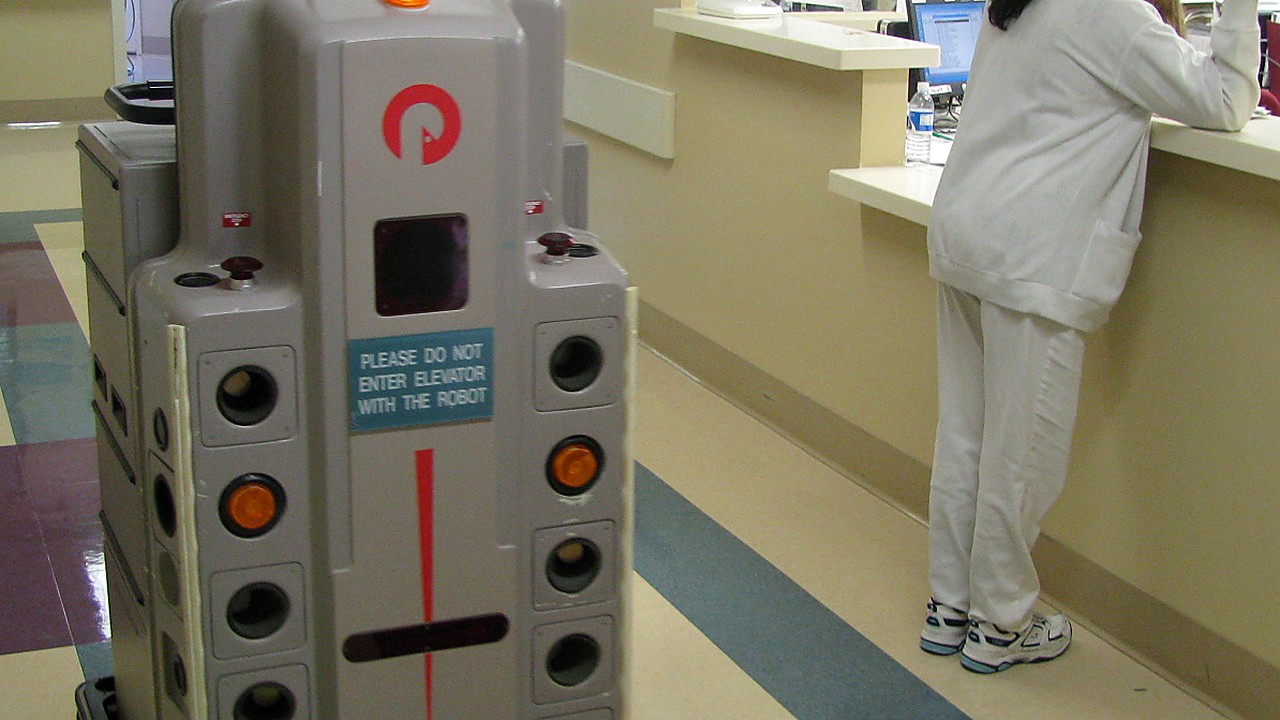
On the corporate side, Applied Digital warned of potential delays tied to AI-related buildouts even as it reported record growth, according to an MSN summary of the company’s update. Separately, another MSN report highlighted a stark example of automation’s impact in manufacturing: General Motors replaced more than 1,000 workers with 50 robots, a move that has renewed questions about what factory automation means for employment levels and the kinds of roles that remain available.
Other coverage pointed to a workforce in transition rather than a single-direction trend. An MSN report described remote work, AI adoption, and job shifts as overlapping forces reshaping how U.S. work is organized and where certain tasks are performed. Another MSN piece said AI adoption is producing mixed job impacts even as spending rises, reflecting an economy where investment in automation tools is outpacing clarity about how those tools will ultimately affect headcount.
There are also signs that AI spending may correlate with hiring in some cases. A report cited by Yahoo Finance said Ramp Economics Lab found that companies investing heavily in AI hire more. That finding, if borne out across broader data, would complicate a narrative focused only on job losses and support arguments that AI can be an accelerator for growth at firms positioned to deploy it effectively.
This matters because the stakes extend beyond individual companies. AI is increasingly being adopted in white-collar software workflows and in industrial settings, putting pressure on employers, workers, and policymakers to understand what kinds of jobs are most exposed, which skills are becoming more valuable, and how quickly job categories could change. The headlines also highlight that AI’s labor impact may not be consistent: different sectors face different economics, and even within the same sector, companies may take divergent approaches based on cost, strategy, and execution.
What happens next will depend on how quickly AI projects move from experimentation to scaled deployment, and whether the near-term pattern looks more like substitution, augmentation, or expansion. Companies warning of buildout delays suggest that timelines can slip even amid strong demand, while high-profile automation examples keep public attention fixed on the potential for displacement. At the same time, reports of AI-linked hiring gains will intensify scrutiny of which employers are growing and which workers are being left behind.
For now, the latest round of reporting makes one point clear: AI is already changing work, but it is not changing it in just one way.