Brent Crude Hits $100 As Iran War Spurs Supply Fears
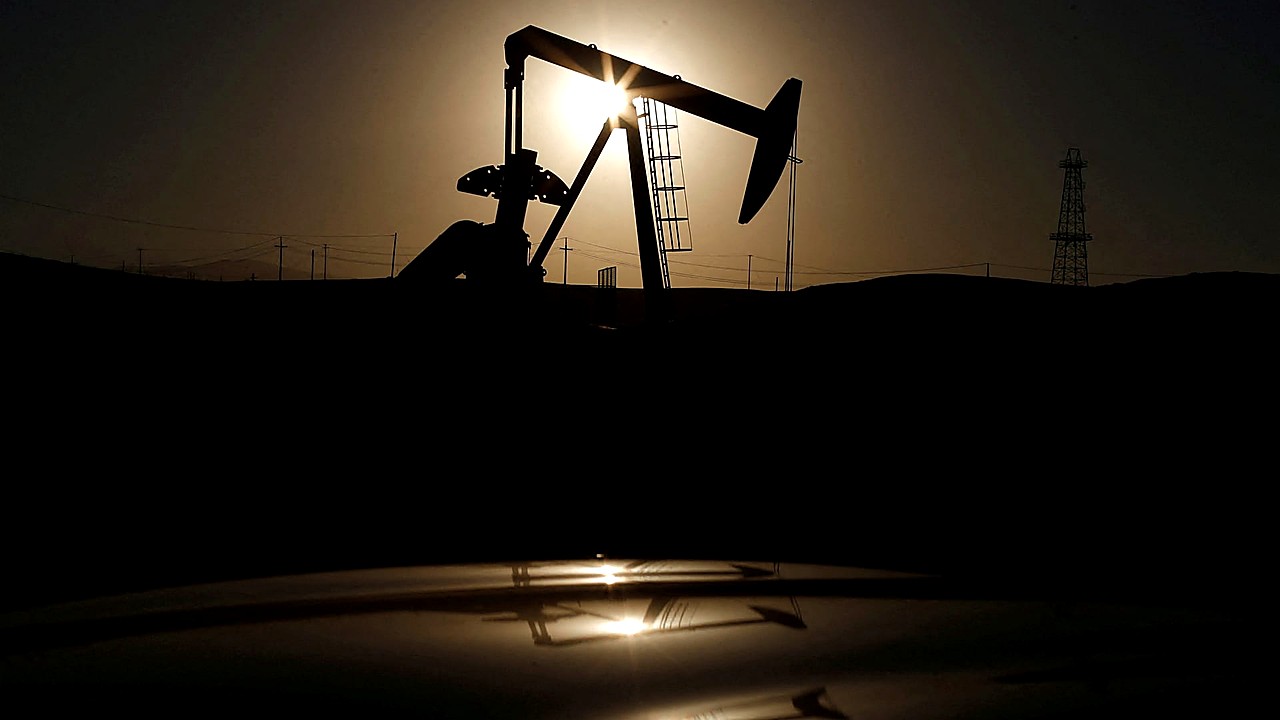
Brent crude climbed to $100 a barrel on Tuesday as traders pushed prices higher amid persistent concerns about Middle East supply disruptions, even after new plans to release oil from strategic reserves failed to calm the market.
The move marked a fresh escalation in energy costs tied to the widening conflict involving Iran. The benchmark’s jump came alongside a broader surge across oil markets as participants weighed the risk of tighter availability and the limits of near-term relief.
Brent crude is the international benchmark used to price a wide range of crude grades, and it often feeds directly into refined fuel costs for consumers and businesses. The $100 level is a psychological threshold that can influence inflation expectations, transportation expenses, and corporate planning.
The latest increase followed announcements of record reserve release plans meant to add oil to the market. But the rally continued, reflecting doubts that additional barrels from stockpiles will be enough to offset worries about conflict-related disruptions. Trading on Tuesday showed that the release announcements did not ease anxiety about potential constraints.
Developments in the U.S.-Israeli war with Iran were a key focus as the conflict intensified, keeping attention on the stability of regional production and shipping. In comments reported by CBS News, former President Donald Trump said the effort was “very far ahead of schedule,” a statement that added to the day’s heavy news flow surrounding the conflict and energy markets.
The rise in Brent is significant for more than crude producers and futures traders. Higher crude prices can quickly translate into increased costs for gasoline, diesel, and jet fuel, affecting household budgets and business supply chains. For policymakers, a sustained move above $100 can complicate decisions on inflation, economic growth, and the use of strategic reserves.
Reserve releases are designed to provide temporary relief during supply shocks, but they are not a substitute for stable production and uninterrupted transport routes. The market’s reaction indicates investors are watching whether the conflict triggers longer-lasting constraints that cannot be easily bridged by drawing down stored barrels.
What happens next will depend on how the conflict evolves and whether additional measures are taken to stabilize supply. Market participants will also look for further official announcements related to strategic reserve releases and any coordinated actions aimed at keeping oil flowing.
For now, Brent’s rise to $100 underscores how quickly geopolitical risk can overwhelm policy tools intended to cool prices, leaving consumers and businesses bracing for potentially higher fuel costs in the days ahead.