California Billionaire Tax Proposal Raises Revenue, Flight Concerns
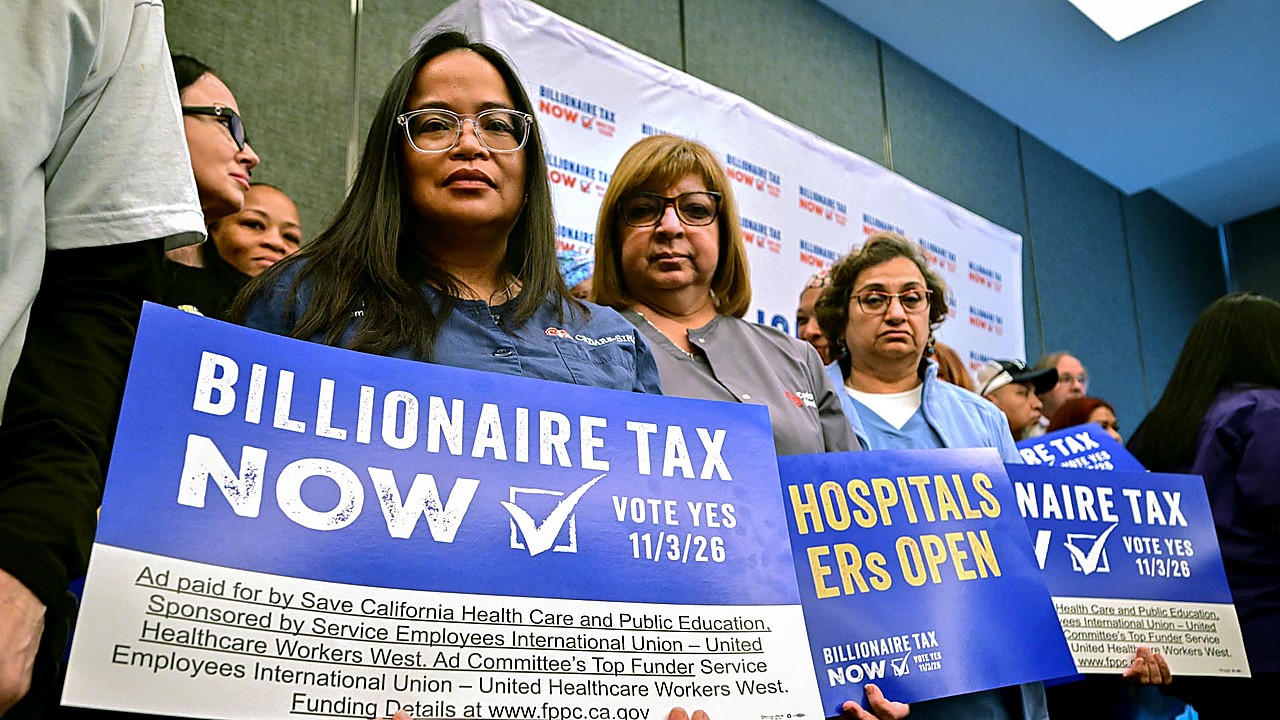
A renewed push to impose a “billionaire tax” in California is sharpening a high-stakes debate over revenue, competitiveness, and enforcement in the nation’s largest state economy, with business leaders and tax policy critics warning that the proposal could trigger legal and administrative battles even before any new money is collected.
The idea being discussed is a wealth-focused tax aimed at California residents with billionaire-level fortunes. Supporters have framed it as a way to generate additional funding for public priorities in a state with persistent needs and a large, complex budget. Opponents argue it would punish investment, accelerate out-migration among the highest earners, and deepen uncertainty for employers and entrepreneurs who drive much of the state’s economic activity.
The debate is not only about the rate or who would pay. It also centers on how the state would determine who is subject to the tax, particularly when extremely wealthy individuals maintain multiple homes, split time between states, or change residency status. That has put a spotlight on residency rules and the possibility of more aggressive audits, a concern raised in recent coverage that describes the risk of intrusive examinations of where taxpayers truly live and work.
For California, the stakes are amplified by the size of its economy and the role that high-income residents play in tax collections. While the state’s fiscal picture can shift with the broader economy, the concentration of taxable income among top earners means policy changes affecting that group can have outsized effects on budgeting and planning. Any major new tax proposal also arrives alongside long-running questions about volatility in revenue tied to capital gains and market performance.
Critics of the billionaire tax have also argued that targeting a small number of people could create significant behavioral and administrative responses. In the most pointed critiques, commentators have warned that the effort to “hunt” billionaires could harm Silicon Valley’s ecosystem by making California appear hostile to founders, investors, and executives. Supporters counter that California’s economic advantages—its talent base, infrastructure, and markets—remain strong and that the state can ask more from the very wealthiest.
What happens next will depend on how the proposal is advanced and whether it is structured to withstand legal scrutiny and practical enforcement. Any move toward implementation would require detailed rules defining residency, valuation, reporting, and compliance, along with the capacity to administer audits and disputes. The proposal would also likely face intense lobbying and public argument from both sides.
For now, the billionaire tax remains a flashpoint that captures a broader dilemma for California: how to fund government at the scale residents demand while protecting the economic dynamism that has made it the biggest state economy in America.