Zoox Issues Software Recall After Robotaxi Enters Heavy Smoke
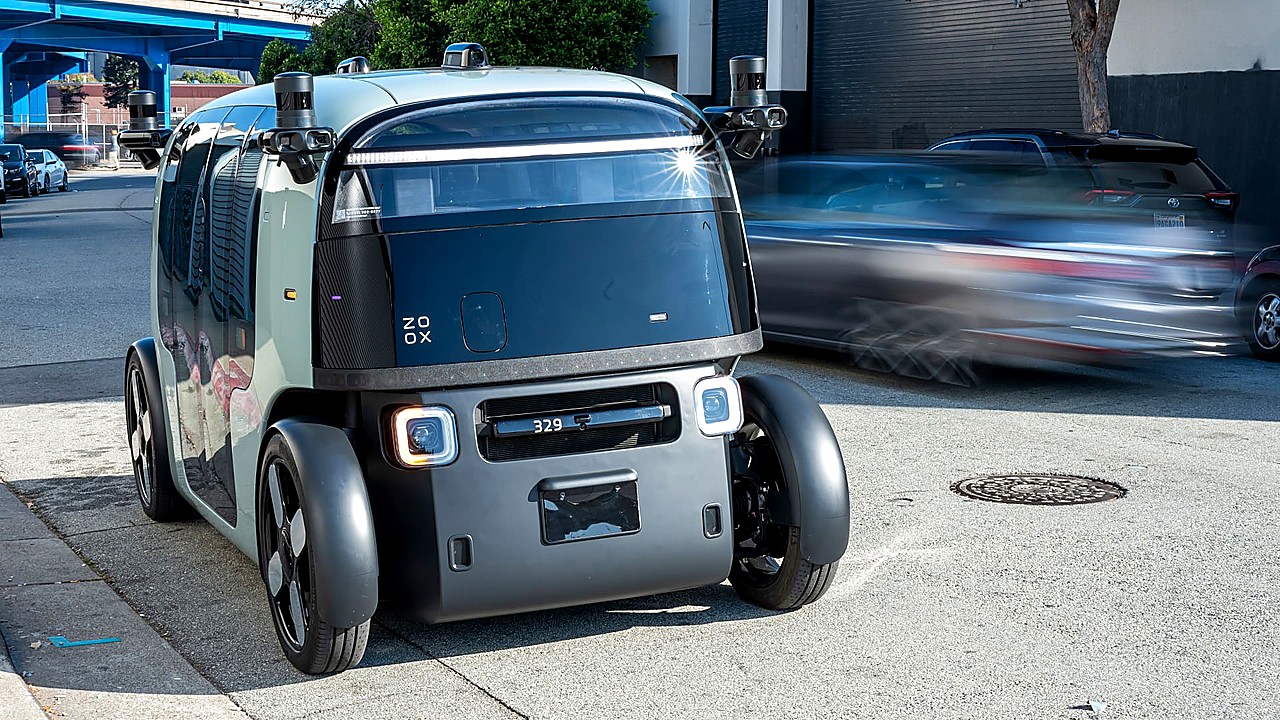
Amazon-owned autonomous vehicle company Zoox has issued a software recall after one of its robotaxis drove into an area of heavy smoke, raising fresh questions about how self-driving systems handle low-visibility and unusual roadway conditions.
The recall addresses software used in Zoox’s self-driving vehicles. The company acted after a robotaxi became confused in heavy smoke and continued into the smoky area, according to recent reports. The incident prompted Zoox to update its software to improve how the vehicle detects and responds to smoke.
Zoox operates autonomous vehicles designed to drive without a human behind the wheel, positioning the company as part of a fast-moving effort to bring robotaxi services to U.S. roads. Safety regulators and city officials have increasingly scrutinized that push, particularly in dense urban environments where emergency scenes, construction, and unpredictable hazards can disrupt traffic patterns.
Smoke presents a specific challenge for autonomous systems because it can obscure lanes, vehicles, pedestrians, and traffic signals, and can also affect sensors in different ways. A robotaxi that fails to recognize or appropriately respond to heavy smoke could enter a dangerous area, interfere with emergency response, or expose passengers and the public to unnecessary risk.
The Zoox recall comes as self-driving companies face intensifying pressure to demonstrate consistent performance not just in normal driving, but in edge cases that occur during incidents such as fires. Public officials have also signaled growing impatience with traffic disruptions linked to autonomous vehicles, underscoring the political and regulatory stakes for companies testing and deploying robotaxis in major cities.
For Amazon, Zoox’s progress is closely watched because it represents a high-profile bet in a competitive field that includes other autonomous vehicle developers. Recalls related to perception and decision-making software are particularly sensitive, since they go to the core of how an automated driving system interprets the world and chooses safe maneuvers.
Zoox’s software update is intended to reduce the likelihood of a similar event. The company’s next steps will center on deploying the updated software across affected vehicles and validating that the change improves detection and response when smoke is present. As with other automotive-related recalls, the process typically involves implementing the fix and ensuring vehicles in service are running the corrected version.
The development is also likely to be monitored by regulators and local officials as they weigh how autonomous vehicles should operate around emergency scenes and other hazardous conditions. Broader debates about rules for self-driving deployments, especially in places like San Francisco, are already active, and safety-related incidents can influence how quickly new requirements take shape.
Zoox’s recall underscores a central reality of autonomous driving: the technology’s success will hinge on how reliably it handles the rare, messy situations that human drivers encounter on real roads every day.