CDC Probes Hantavirus Cluster Aboard Cruise Ship After Deaths
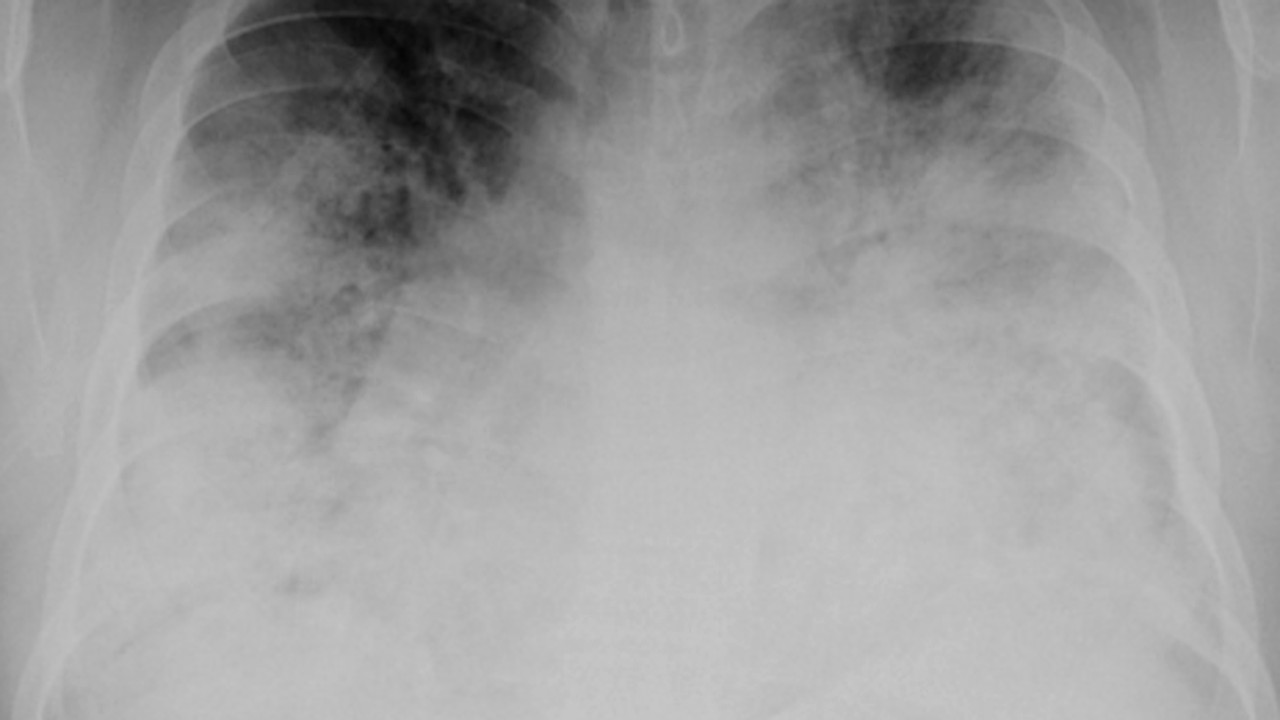
A luxury cruise ship linked to a deadly hantavirus outbreak has become the focus of an international public health response as officials work to manage ill passengers and determine next steps for the vessel.
The ship is at the center of multiple reports describing how the outbreak unfolded onboard and how passengers and crew have been affected. The situation has drawn attention from U.S. audiences as an American passenger spoke publicly from the ship while health authorities and government officials addressed the developing emergency.
Hantavirus is a rare but serious illness, and the reports surrounding the cruise highlight the challenges of containing infectious diseases in the close quarters of a large vessel. Cruise ships function like small cities at sea, with shared dining areas, entertainment venues and tight living and working spaces that can complicate responses once sickness is detected.
News coverage has described the ship’s interior as the setting where the outbreak played out over time, with passengers continuing daily routines while the health situation evolved. Those accounts have emphasized the strain that an onboard medical response can face when symptoms emerge among multiple people, and the difficulty of communicating clearly to everyone onboard while decisions are being made by operators and authorities.
The outbreak has also become a government-to-government issue. Spanish officials have said they will accept the cruise ship, a step that signals the logistical and diplomatic complexities involved when a vessel connected to a deadly outbreak seeks to dock. Accepting a ship can involve coordinating medical evaluations, passenger care and vessel procedures under local rules.
The development matters because it underscores how quickly a serious health event can become a multinational problem when it happens in international waters or involves ports in different countries. It also spotlights the public health and operational decisions that cruise lines and governments must make in real time, including how to care for sick passengers, how to protect crew members who keep critical services running, and how to manage the movement of hundreds or thousands of people safely.
It also adds to the broader conversation about cruise safety and preparedness for rare diseases. While cruise ships routinely have medical facilities and protocols, outbreaks place extraordinary demands on staffing, isolation capacity and coordination with shore-based health systems.
What happens next will depend on actions by the relevant authorities and the cruise operator as the ship proceeds under accepted arrangements. That includes evaluating passengers and crew, addressing onboard conditions tied to the outbreak, and determining how disembarkation and any further travel will be handled.
For the people onboard, the immediate focus remains access to medical care, clear instructions and a path to shore under a plan accepted by officials. For governments and health agencies, the focus is limiting harm while maintaining transparency and order as the ship’s next destination is carried out.
The outbreak has turned one cruise ship into a high-stakes test of onboard health response and international coordination under intense public scrutiny.