EU Says Airlines Must Pay Compensation Despite Fuel Crisis Cancellations
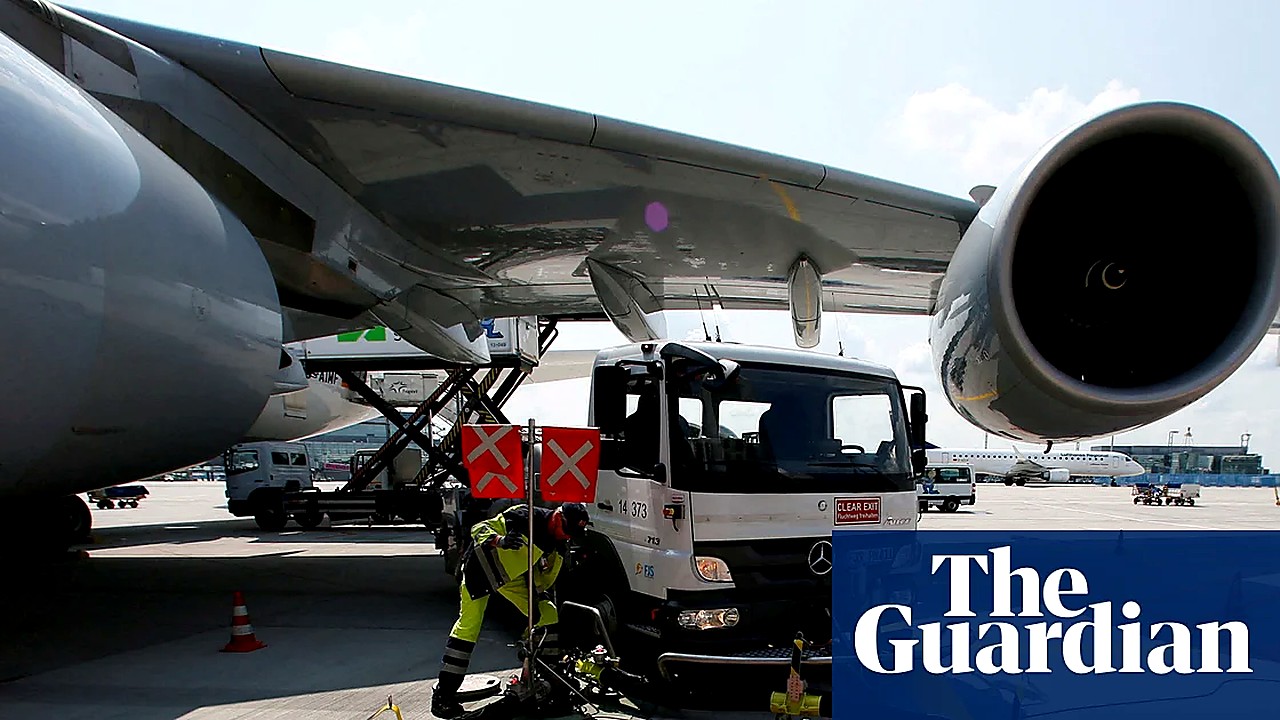
European Union officials have told airlines they must still pay passenger compensation when flights are canceled because of a fuel crisis, rejecting arguments that shortages automatically exempt carriers from paying under EU air passenger rights rules.
The position applies to flights covered by EU passenger protections, including many departures from EU airports and certain arrivals operated by EU-based airlines. EU rules set out fixed compensation amounts in cases of cancellations and long delays, depending on flight distance and other conditions, alongside separate obligations to provide care such as meals, accommodation when necessary, and rebooking or refunds.
The EU guidance underscores that a fuel shortage, on its own, does not automatically qualify as an “extraordinary circumstance” that would allow airlines to avoid compensation. Under the EU framework, carriers can escape compensation only in limited situations and generally must show the disruption was caused by circumstances beyond their control and that they took all reasonable measures to avoid the cancellation.
For passengers, the clarification matters because it preserves one of the strongest consumer protection regimes in air travel at a moment when travelers are facing uncertainty about flight reliability, routing, and pricing. When flights are canceled, compensation can represent a meaningful financial offset for travelers who still have to pay for hotels, missed connections, replacement transportation, or rebooked flights at higher fares.
For airlines, the stance raises the stakes for operational planning during fuel supply disruptions. Carriers may face higher costs not only from obtaining fuel and reshaping schedules, but also from compensation payouts and the logistical burden of caring for stranded passengers. The policy also increases pressure on airlines to demonstrate they took concrete steps to mitigate the impact, such as adjusting schedules earlier, consolidating flights, or arranging alternative transport where feasible.
The development comes as multiple news outlets have reported on jet fuel shortages affecting parts of Europe and potential knock-on effects for summer travel, including cancellations and changes to flight schedules. While the scale and duration of disruptions may vary by route and airport, the EU’s message is that passenger rights are not suspended by a fuel crunch.
What happens next will depend on how airlines respond and how disputes are handled in individual cases. Passengers whose flights are canceled may file compensation claims directly with airlines, and disagreements can be escalated through national enforcement bodies or other complaint channels available under local procedures. Airlines, meanwhile, may continue to argue that specific cancellations were triggered by qualifying extraordinary circumstances, requiring case-by-case review of the facts.
In the near term, travelers facing cancellations should expect the usual sequence of options: rebooking or refunds, potential assistance at the airport, and possible compensation claims depending on eligibility. The EU’s latest statement makes clear that even during a fuel crisis, airlines remain accountable under the bloc’s passenger rights rules.