European Leaders Reject Trump’s Call To Open Strait Of Hormuz
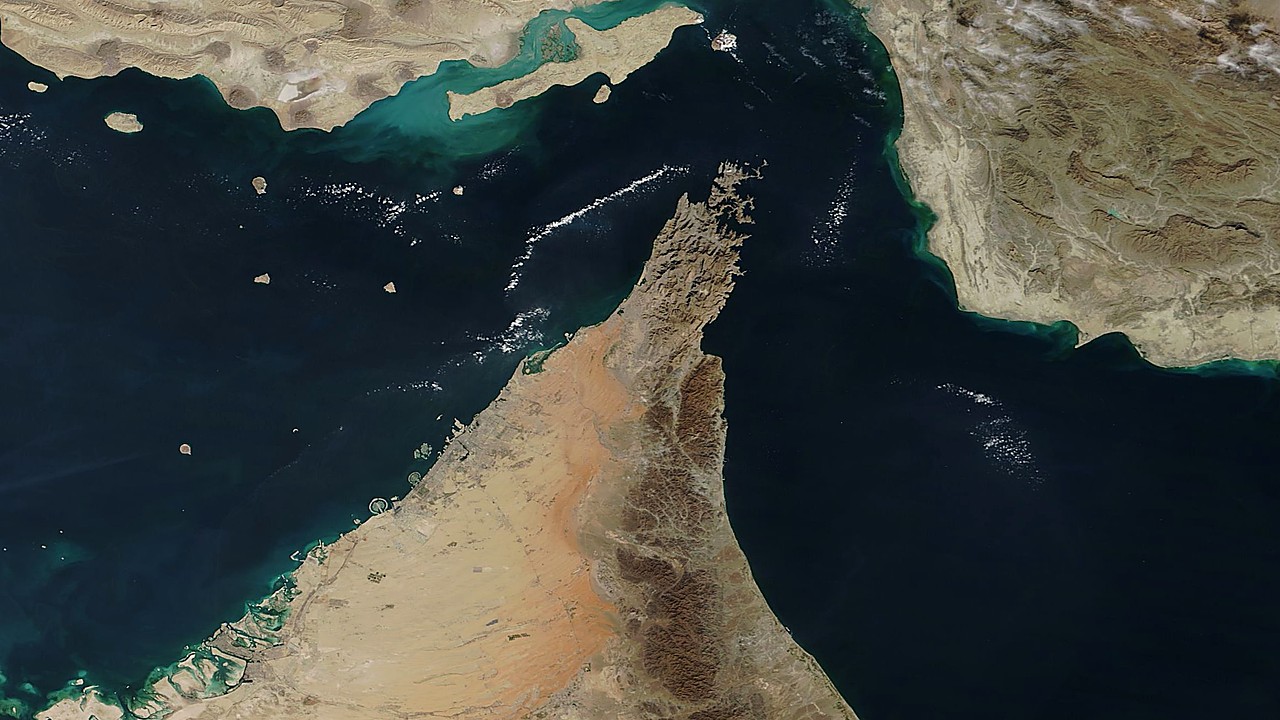
European leaders have pushed back against President Donald Trump’s call for international help to “open” the Strait of Hormuz, declining to commit military support as the administration presses allies to take on a larger role in the vital shipping corridor.
The rebuff, reported by multiple outlets including Reuters and The Washington Post, reflects a widening gap between Washington and key partners over how to respond to escalating tensions involving Iran and the security of commercial traffic in and around the Persian Gulf. The Strait of Hormuz is one of the world’s most important maritime chokepoints, carrying a significant share of global oil and gas shipments.
Trump has urged allied participation in efforts to keep the strait open, including public demands that partners contribute naval or other military assistance. European governments, according to the reports, have resisted framing the situation as a joint military mission under U.S. direction and have been wary of steps that could deepen their involvement in a conflict they did not initiate.
The issue has also put pressure on broader alliance politics. Trump has pointed to NATO and even China as actors that should help police the strait, while some allies have argued that decisions about naval deployments and rules of engagement require their own political authorization and a clear legal and strategic basis. The dispute has unfolded as the U.S. seeks to rally international backing for a more assertive approach in the region.
The disagreement matters because freedom of navigation through the Strait of Hormuz is directly tied to energy prices, supply stability, and the security of global trade. A coordinated international posture can deter attacks and reassure shipping markets, but a fractured approach can complicate operations at sea and undercut diplomatic leverage.
It also matters because it is a public test of U.S. influence among traditional partners at a moment of heightened Middle East tensions. When European leaders withhold support, it signals limits to Washington’s ability to translate urgent requests into shared action, and it increases the likelihood that any maritime effort will proceed with a smaller coalition or on a more ad hoc basis.
Separately, the political fallout inside the U.S. national security apparatus has continued. One senior counterterrorism official, identified in reporting by The Washington Post as Kent, resigned amid disagreement with the administration’s approach, saying Iran posed no imminent threat. The resignation adds to the intensity of the debate in Washington as the administration pushes allies to align with its posture.
In the near term, the central question is whether the U.S. can assemble any multinational arrangement acceptable to skeptical partners, or whether European governments will pursue a different course that emphasizes de-escalation and independent decision-making on maritime security. Trump has said help for the Strait of Hormuz is “on the way,” even as allies reject military action, according to Al Jazeera.
What happens next will be driven by diplomatic talks between Washington and allied capitals, decisions on naval deployments, and how quickly governments can secure domestic political backing for any operation. Those steps will shape whether the strait remains a point of coordinated protection or a new flashpoint of transatlantic disagreement.
For now, Europe’s refusal to sign on underscores that keeping the Strait of Hormuz open has become not only a security challenge at sea, but also a major test of alliance cohesion.