Google Unveils Android Laptop Line With Built-In Gemini AI
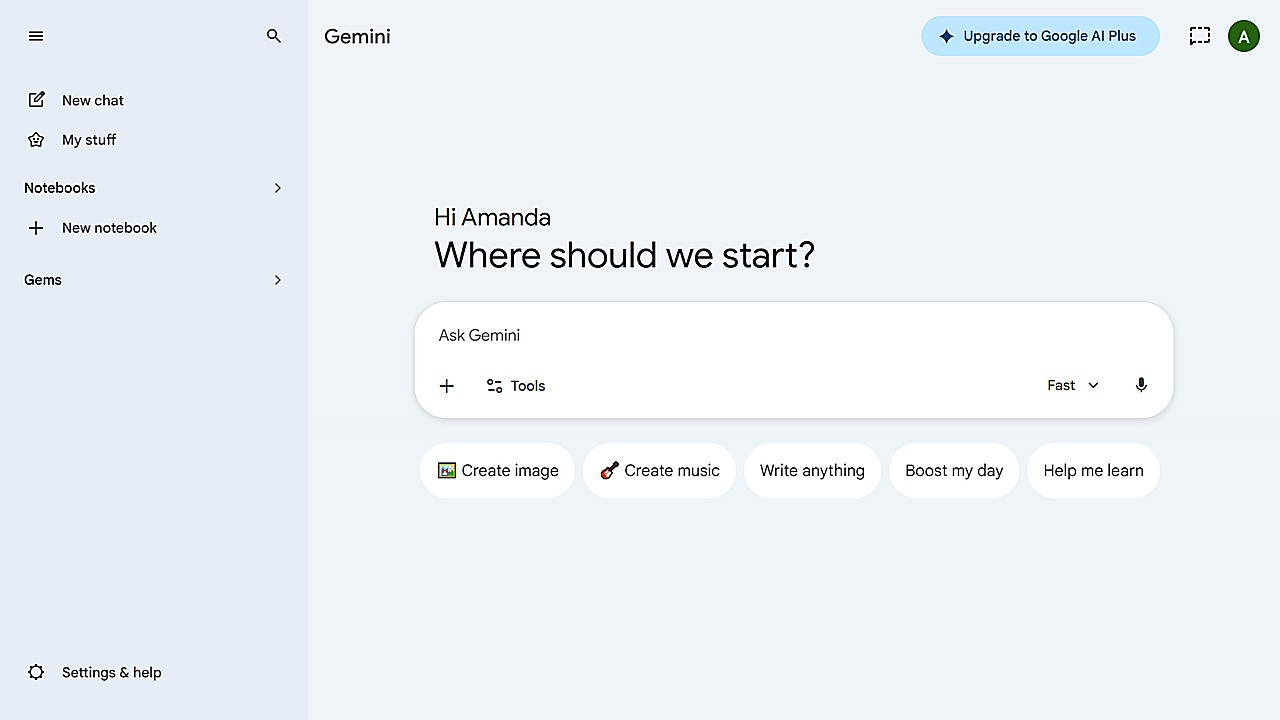
Google has launched a new line of Android-powered laptops that prominently features its Gemini artificial intelligence across the devices, expanding Android beyond phones and tablets and putting the company’s latest AI system at the center of a new PC-style product push.
The launch, reported by The Register, positions the laptops as Android machines rather than traditional Windows PCs, with Gemini integrated throughout the experience. Google is branding the lineup around Gemini, signaling that AI assistance is intended to be a default part of everyday tasks on these computers.
Google is the company behind Android, the world’s most widely used mobile operating system, and Gemini is its flagship AI product family. By tying the two together in a laptop form factor, the company is effectively using Gemini as a headline feature, not an add-on, and using Android as the foundation for hardware meant for larger screens and keyboard-focused work.
The move matters because it indicates Google is treating AI as a core user-interface layer on personal devices, not simply a cloud service users might occasionally call up. A laptop is often a primary machine for schoolwork, office work, and personal projects. Making Gemini central to an Android laptop experience suggests Google is betting that AI-assisted writing, summarizing, search-style queries, and other automated help will be expected features in mainstream computing.
It also underscores the increasingly competitive race among major tech companies to define what “AI on a computer” looks like. Hardware makers and platform companies are working to differentiate devices through built-in AI capabilities. By launching Android laptops aligned around Gemini, Google is taking a direct step to shape that market with its own operating system and AI model rather than relying on partners or third-party integrations.
The announcement lands amid broader industry debate about AI’s impact on work and creative labor. In separate reporting, The Register has highlighted concerns from executives about how AI affects perceptions of human labor and ongoing efforts by entertainers and creators to establish standards and protections around the use of their likenesses and work in AI systems. While those issues are distinct from a laptop launch, they frame the environment in which companies are shipping consumer products that put AI front and center.
What happens next will be whether Google and its partners can translate Gemini-first marketing into real-world adoption for Android laptops and whether developers build experiences that make sense on Android in a more traditional computer setup. The rollout will also be watched for how Gemini is presented in day-to-day workflows and how much of the computing experience is designed around AI interactions.
For Google, the launch is a clear statement that the next era of personal computing it wants to sell is one where Android runs the laptop and Gemini sits at the heart of it.