
Google Unveils First Look At AI Glasses Ahead Of Fall Launch
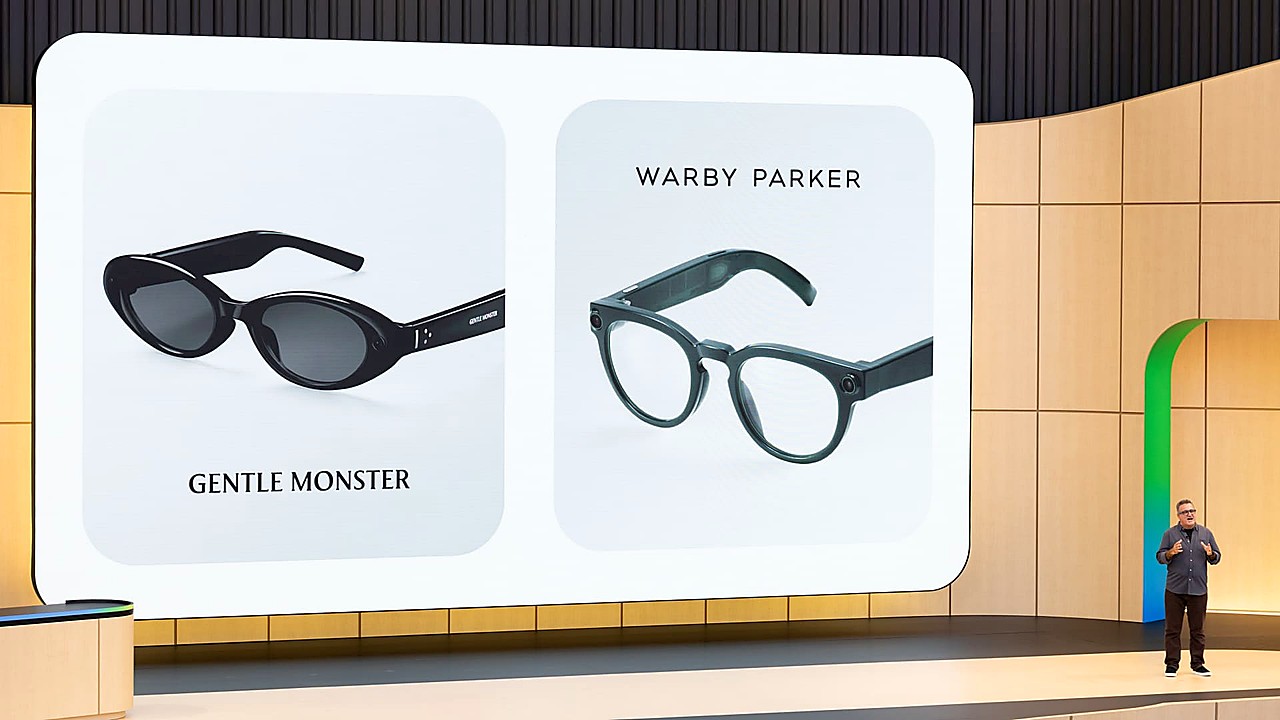
Google has given a first look at a new pair of AI-powered glasses that it says are headed for a launch this fall, offering an early preview of the company’s next push into wearable computing.
The glimpse was reported by CNBC and follows additional early materials published by Samsung describing a joint first look at new “intelligent eyewear” developed with Google. Together, the announcements position the companies as partners in bringing AI features to eyewear in the months ahead.
Google has not released full product specifications in the initial preview. The company’s message, as characterized in the reports, is that the glasses are designed to put AI assistance into a lightweight form factor that can be worn throughout the day, expanding access to AI tools beyond phones and computers.
Samsung’s statement framed the initiative as a collaboration and presented the glasses as part of a broader effort to develop a new category of wearable devices that can deliver information and assistance in context. The company did not provide a release date beyond the shared “fall” time frame cited in the coverage.
The early look also rippled through the consumer eyewear and tech markets. TechStock² reported that shares of Warby Parker slipped after the AI glasses reveal, underscoring how closely investors are watching potential shifts in how people buy, wear, and upgrade eyewear if technology companies begin pairing prescription-ready frames with built-in AI capabilities.
This development matters because glasses represent one of the most challenging and potentially transformative product categories in consumer tech. Unlike phones, eyewear must meet strict comfort, style, and durability expectations, and often intersects with prescription needs, retail fittings, and insurance coverage. If Google and Samsung can deliver AI features in a form factor people will actually wear, it could open a new distribution channel for AI assistants and create fresh competition across consumer electronics and eyewear.
The fall timeline also suggests a near-term attempt to capitalize on growing consumer familiarity with AI tools, while competing companies race to define what “everyday AI” looks like beyond apps and chat windows. A successful product could reshape how users access navigation, messages, and real-time information without constantly checking a screen.
Next, attention will turn to what Google and its partners disclose ahead of launch, including pricing, availability, battery life, camera and audio capabilities, and whether the glasses will support prescription lenses. Industry watchers will also look for details on privacy and on-device controls, which are likely to be central to public acceptance of any always-worn smart device.
For now, Google’s first glimpse sets the stage for a high-profile fall debut that will test whether AI can move from handheld devices to something people put on their faces every day.