Heat Wave Death Toll Hits 25 As East Coast Storms Threaten Floods
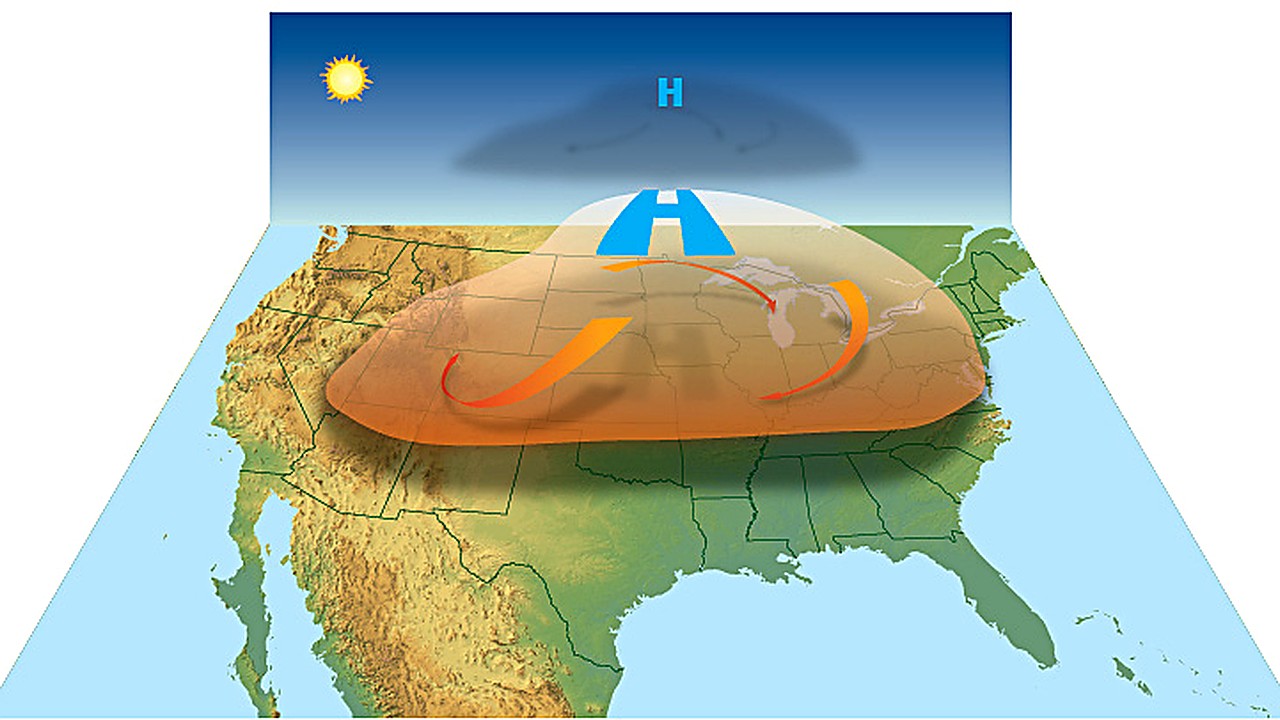
A deadly heat wave gripping parts of the United States has been blamed for at least 25 deaths as storm systems moving into the East Coast bring new threats of flooding and damaging winds, according to NBC News.
The heat has persisted while conditions shift in the East, where storms are expected to create additional hazards. The combination of extreme temperatures and severe weather has placed added strain on communities already dealing with dangerous conditions.
NBC News reported the death toll as the heat wave continues. The report comes as storms move through or toward the East Coast with the potential to trigger flooding and wind damage.
Separately, FOX Weather reported that more than 1 million power outages remain, and warned that slow-moving storms could produce significant flooding in parts of the Mid-Atlantic. The outages add another layer of risk during periods of high heat, particularly for residents who rely on air conditioning, medical devices, or cooling centers.
This development matters because the hazards are overlapping: extreme heat can be life-threatening on its own, and storms can quickly make conditions worse by knocking out electricity, limiting access to cooling, and creating dangerous travel conditions. Flooding and high winds can also delay emergency response and complicate efforts to check on vulnerable residents.
Heat-related illness can escalate rapidly, and widespread outages can increase exposure as people lose access to cooling at home. Flooding can also disrupt transportation routes, close roads, and isolate neighborhoods, making it harder for families and first responders to reach those in need.
With storm impacts unfolding along the East Coast, officials and utilities face simultaneous challenges: restoring power, monitoring flood-prone areas, and maintaining public safety during high temperatures. Storm-related damage can slow restoration work, while additional rounds of heavy rain or wind can extend outages.
What happens next will depend on how the storm systems track across the region and how quickly power can be restored in the hardest-hit areas. The risk of significant flooding in the Mid-Atlantic, as described by FOX Weather, suggests communities may continue to face dangerous conditions even as the focus shifts from heat to storms.
In the near term, emergency management agencies and utilities are expected to remain in response mode as outages persist and severe weather threats continue. Public safety messaging is likely to focus on both heat safety and storm precautions as conditions evolve.
The deadly toll and the scale of outages underscore a hazardous stretch of weather for millions, with heat and storms creating a high-risk mix that is still unfolding.