How to Maintain Your Home’s Plumbing to Prevent Costly Repairs
How to Maintain Your Home’s Plumbing to Prevent Costly Repairs
Maintaining your home’s plumbing system is essential for avoiding unexpected breakdowns and expensive repair bills. Plumbing issues can develop unexpectedly and cause significant damage if not addressed promptly. Fortunately, with regular maintenance and a few simple habits, you can keep your plumbing in excellent condition and extend its lifespan. In this guide, we’ll explore practical tips and best practices to maintain your home’s plumbing system effectively.
Understand Your Plumbing System
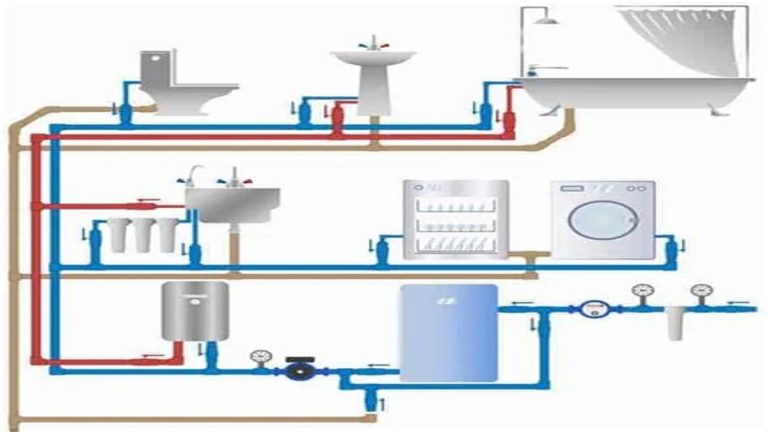
Before diving into maintenance tips, it’s helpful to understand the key components of your plumbing system. Your home’s plumbing includes:
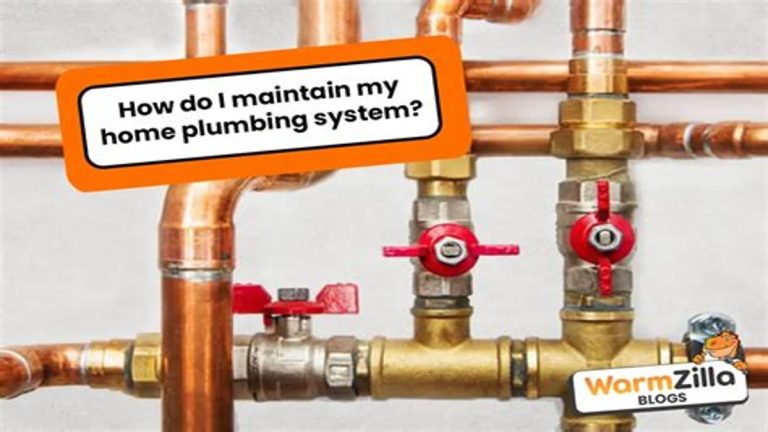
- Water supply lines: Pipes that bring clean water into your home.
- Drain-waste-vent (DWV) system: Pipes responsible for removing wastewater and maintaining proper air pressure.
- Fixtures: Sinks, toilets, showers, and faucets.
- Water heater: Provides hot water for bathing, cooking, and cleaning.
Recognizing how these parts work together allows you to pinpoint potential issues early and perform appropriate maintenance.
Regular Inspections and Early Detection
Frequent inspections are the foundation of effective plumbing maintenance. Choose a regular schedule—such as once every three months—to visually inspect accessible pipes, fixtures, and appliances. Look for signs like:
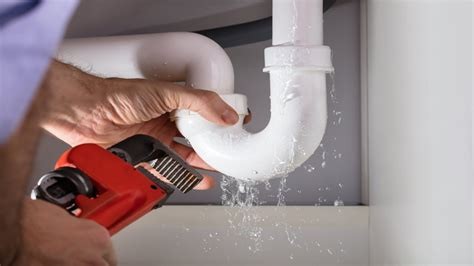
- Leaks or water stains under sinks and around toilets
- Dripping taps or slow drainage
- Corrosion or rust on pipes and fittings
- Unusual noises such as banging or gurgling
- Water pressure variations
Early detection through regular monitoring allows you to address minor issues before they escalate into costly repairs.
Prevent Clogs with Proper Drain Care
Clogged drains are one of the most common plumbing problems. To prevent these, adopt these habits:
- Avoid pouring grease or oil down the drain: Instead, collect cooking grease in a container and dispose of it in the trash.
- Use drain screens: Place strainers on sinks and showers to catch hair, food particles, and debris.
- Dispose of waste properly: Never flush items like wipes, sanitary products, or paper towels even if labeled flushable.
- Flush drains periodically with hot water: This can help dissolve minor buildups.
Maintain Your Water Heater
Your water heater works hard every day and needs regular care to function efficiently. Follow these tips:
- Check the temperature setting: Setting the thermostat to 120°F helps prevent scalding and reduces energy consumption.
- Drain the tank annually: Sediment buildup can reduce efficiency and damage the tank. Flushing the tank removes sediment and prolongs the heater’s life.
- Inspect the pressure relief valve: Test it yearly to ensure it functions correctly and prevent dangerous pressure buildup.
- Insulate the tank: Use a water heater blanket to improve efficiency and prevent heat loss.
Protect Pipes from Freezing
In colder climates, frozen pipes are a major cause of plumbing damage. Burst pipes can lead to water damage and hefty repair costs. Protect your pipes by:
- Insulating exposed pipes, especially in unheated spaces like basements and attics
- Sealing gaps around windows and doors that allow cold air inside
- Allowing faucets to drip slightly on freezing nights to keep water moving
- Disconnecting outdoor hoses and shutting off exterior faucets before winter
Know When to Call a Professional
While many maintenance tasks are simple enough for homeowners, some plumbing issues require professional expertise. Contact a licensed plumber if you experience:
- Persistent leaks that you can’t stop
- Major water pressure problems
- Severe clogs or backups
- Water heater failure or strange noises coming from it
- Pipes that have burst or show significant corrosion
Timely professional intervention can minimize damage and prevent costly emergency repairs.
Additional Tips for Plumbing Longevity
- Avoid chemical drain cleaners: These products can corrode pipes over time. Instead, use mechanical methods like plungers or drain snakes for clogs.
- Keep tree roots in check: Roots can invade underground sewer pipes, causing blockages or breaks. Monitor trees near your sewer lines and consider professional root cutting if necessary.
- Maintain proper water pressure: High pressure can stress pipes and cause leaks. Install a pressure regulator if your home experiences fluctuations over 80 psi.
- Replace old fixtures and pipes: Older plumbing can degrade, so plan periodic replacements to avoid unexpected failures.
Conclusion
Routine maintenance is key to a healthy plumbing system and avoiding costly repairs. By staying vigilant, performing regular inspections, and adopting good habits like proper drain care and protecting pipes from freezing, you can extend the life of your home’s plumbing. Remember to call professionals for complex issues and regular servicing of major components like your water heater. Taking proactive steps today will save you stress, money, and inconvenience in the long run.