How to Maintain Your Plumbing System to Prevent Costly Repairs
How to Maintain Your Plumbing System to Prevent Costly Repairs
Maintaining a healthy plumbing system is essential for any home. Plumbing issues can quickly escalate into expensive repairs if left unchecked. Simple maintenance tips and routine inspections can extend the life of your plumbing, helping you avoid unexpected problems and costly emergency calls. In this article, we’ll explore practical ways to keep your plumbing system in top shape and prevent costly repairs.
1. Regularly Inspect Your Pipes and Fixtures
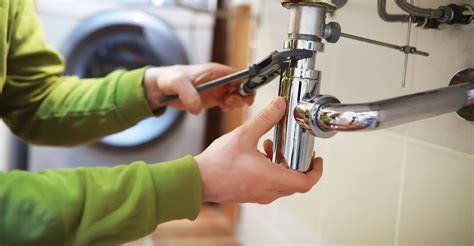
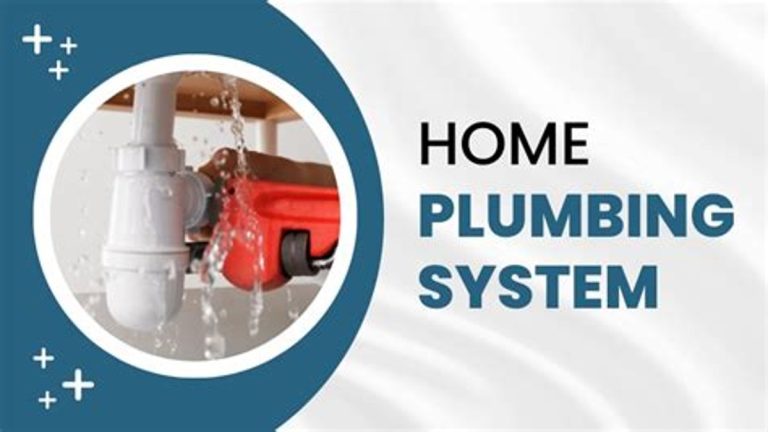
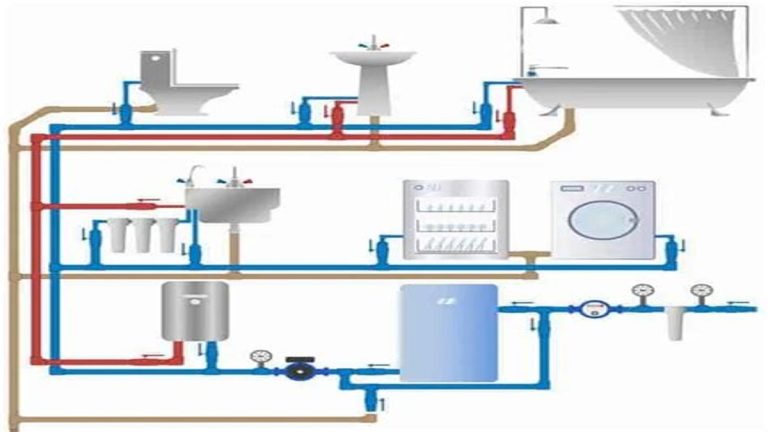
One of the simplest ways to avoid plumbing disasters is to routinely check your pipes and fixtures for signs of wear, damage, or leaks. Pay close attention to visible pipes under sinks, around water heaters, and in basements or crawl spaces.
- Look for leaks and drips: Even small leaks can waste a significant amount of water and damage your property over time.
- Check for corrosion and rust: These can weaken pipes and cause them to fail unexpectedly.
- Monitor water pressure: High water pressure can strain your pipes, leading to leaks or bursts. A pressure gauge can help you keep it within the ideal range (40–60 psi).
Early detection through regular inspection can save you from emergency repairs and higher water bills.
2. Prevent Clogs by Properly Managing Drains
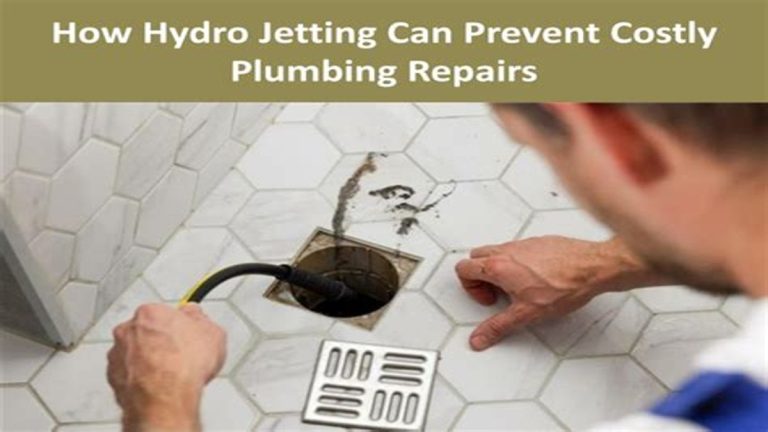
Drain clogs are among the most common plumbing issues homeowners face. Food scraps, grease, soap scum, hair, and other debris can build up, blocking your pipes and causing backups.
- Avoid pouring grease or oil down kitchen sinks: These substances harden in pipes, creating stubborn blockages.
- Use drain guards: Hair catchers and mesh strainers prevent debris from entering drains in bathrooms and kitchens.
- Flush drains with hot water: Regularly pouring hot water down your drains can help dissolve soap and grease buildup.
- Use natural cleaning solutions: Baking soda and vinegar can safely break down minor clogs without damaging pipes.
If you notice slow draining or unpleasant odors, act quickly to clear the blockage before it worsens.
3. Maintain Your Water Heater
Your water heater is a crucial part of your plumbing system that requires regular attention to ensure efficient performance and longevity.
- Flush the tank annually: Sediment buildup reduces efficiency and can cause damage over time. Flushing removes sediment and improves performance.
- Check the anode rod: This component helps prevent tank corrosion. Replace it every few years to extend the heater’s life.
- Inspect for leaks or rust: Any signs of rust or water pooling near the heater should be addressed immediately.
- Set the temperature appropriately: 120°F (49°C) is recommended to balance performance and safety, preventing scalding and reducing energy costs.
Regular maintenance can help your water heater run smoothly and avoid emergency replacements.
4. Insulate Pipes to Prevent Freezing
During cold months, frozen pipes can burst and cause extensive water damage. Properly insulating your pipes is a simple yet effective way to protect your plumbing.
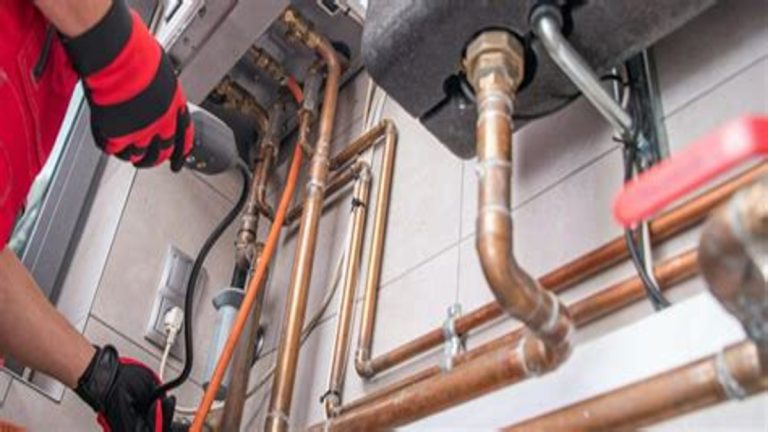
- Use foam pipe insulation sleeves: These are easy to install and protect exposed pipes in unheated areas like basements, attics, and garages.
- Seal leaks and drafts: Caulk gaps near water pipes to keep cold air out.
- Keep cabinet doors open: Allow warm air to circulate around pipes under sinks, especially during freezing temperatures.
- Let faucets drip: During extremely cold weather, letting faucets drip helps prevent freezing by keeping water moving.
Taking these precautions before winter arrives can save you from costly pipe burst repairs.
5. Address Leaks Promptly
Ignoring even small leaks can lead to bigger problems, including mold growth, structural damage, and increased water bills. Whether it’s a dripping faucet or a slow leak under a sink, timely repairs are crucial.
- Fix dripping faucets: Replacing worn washers or cartridges can stop leaks easily.
- Repair running toilets: A constantly running toilet wastes water and often, the fix involves replacing the flapper or adjusting the float.
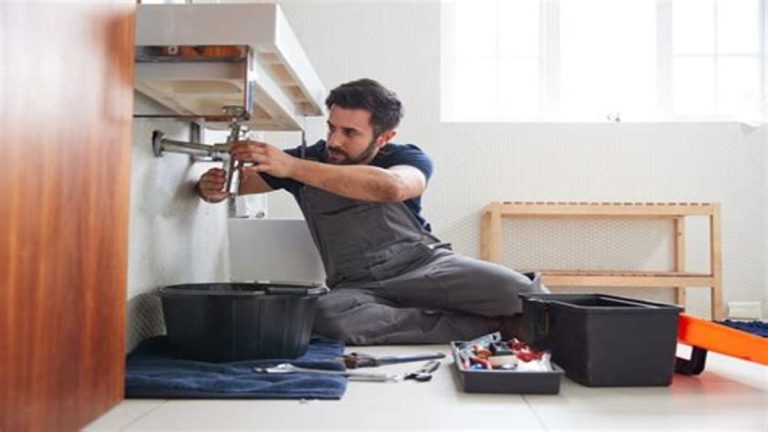
- Call a plumber for hidden leaks: If you suspect leaks behind walls or under floors, professionals can use specialized equipment to locate and fix them.
Promptly managing leaks helps maintain system health and avoids escalating repair costs.
6. Be Mindful of What Goes Into Your Plumbing System
Many plumbing issues arise from improper use of your system. To keep everything functioning properly, follow these guidelines:
- Dispose of grease and fats in the trash: Never pour them down the drain.
- Avoid flushing inappropriate items: Baby wipes, sanitary products, paper towels, and medications can clog and damage sewer lines.
- Use garbage disposals correctly: Avoid putting fibrous, starchy, or hard materials, like potato peels, celery, or bones, down the disposal.
Caring for your plumbing system by using it properly prevents buildup and extends its life.
7. Schedule Professional Plumbing Inspections
While many maintenance tasks can be handled by homeowners, an annual professional plumbing inspection is highly recommended. A licensed plumber can identify potential issues before they become emergencies.
- Check for hidden leaks and corrosion: Professionals can detect problems behind walls or underground.
- Assess water heater and sump pump function: Regular checks ensure these critical systems operate efficiently.
- Evaluate pipe conditions and water flow: An expert can recommend upgrades or repairs to prevent future issues.
Proactive professional inspections save time, money, and stress in the long run.
Conclusion
Preventing costly plumbing repairs starts with regular maintenance, awareness, and prompt action. By inspecting your pipes, managing drains carefully, maintaining your water heater, insulating pipes for winter, fixing leaks quickly, being cautious about what goes down your drains, and scheduling professional inspections, you can keep your plumbing system healthy and efficient. Taking these simple steps will not only save you money but also give you peace of mind knowing your home’s plumbing is well cared for.