Iran Foreign Minister Arrives In Oman For Hormuz Talks
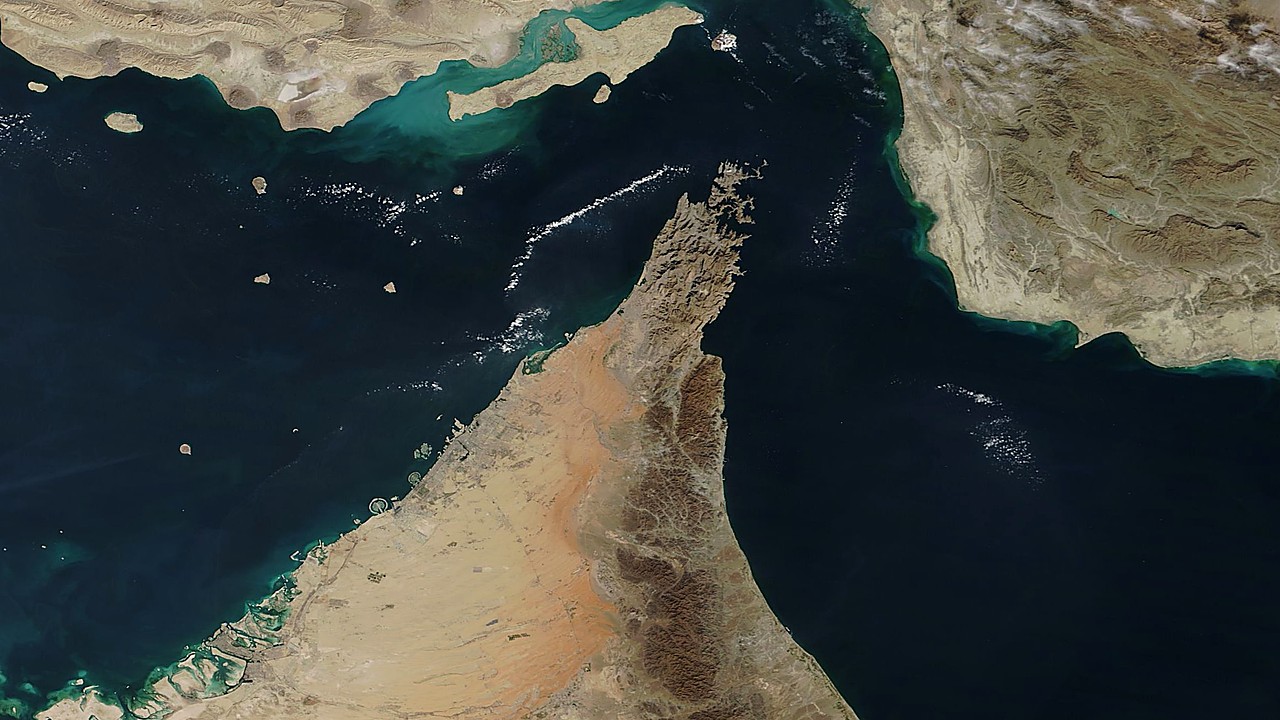
Iran’s foreign minister arrived in Oman for talks focused on the Strait of Hormuz, a strategic waterway that carries a significant share of global energy shipments. The visit comes amid heightened regional tensions and growing international concern about the security of maritime traffic through the narrow channel connecting the Persian Gulf to the Gulf of Oman.
Iranian Foreign Minister Abbas Araghchi was in Oman for discussions with Omani officials, according to reports citing the trip as centered on the Strait of Hormuz. The meetings were described as part of ongoing diplomatic engagement involving regional interlocutors, with separate reporting indicating Iran has also held talks about the strait with Turkey.
Oman has long played a quiet mediating role in the region and sits at the mouth of the Strait of Hormuz. The talks place Muscat at the center of intensified attention on the waterway, which is critical to the export routes of major oil producers and to broader commercial shipping.
The development matters because any disruption or perceived risk in the Strait of Hormuz can quickly reverberate beyond the region. Energy markets closely monitor diplomatic and military signals related to the strait, and governments track them for potential impacts on supply chains and shipping insurance costs.
The visit also underscores a broader push by regional states to manage tensions through direct channels, even as international rhetoric sharpens. A separate headline referenced former President Donald Trump issuing what was described as a Saturday deadline involving Iran and the Strait of Hormuz, reflecting how the issue has become a focal point in political messaging as well as diplomacy.
For Iran, talks in Oman represent another high-level engagement on a chokepoint that has repeatedly drawn global attention during periods of friction. For Oman, hosting such discussions reinforces its role as a venue for sensitive dialogue at a moment when miscalculation could have outsized consequences for maritime security.
What happens next will likely depend on whether officials offer readouts of the discussions and whether additional meetings are scheduled with other regional or international parties. Any official statements from Iran’s foreign ministry or Oman’s government could clarify the scope of the talks, including whether they addressed navigation, shipping security, or broader regional issues linked to the strait.
As the foreign minister’s visit continues, governments and markets will watch for concrete diplomatic signals from Muscat that indicate whether the region is moving toward de-escalation or further confrontation around one of the world’s most important maritime corridors.