Iran Launches Missiles Toward Israel After Lebanon Airstrikes
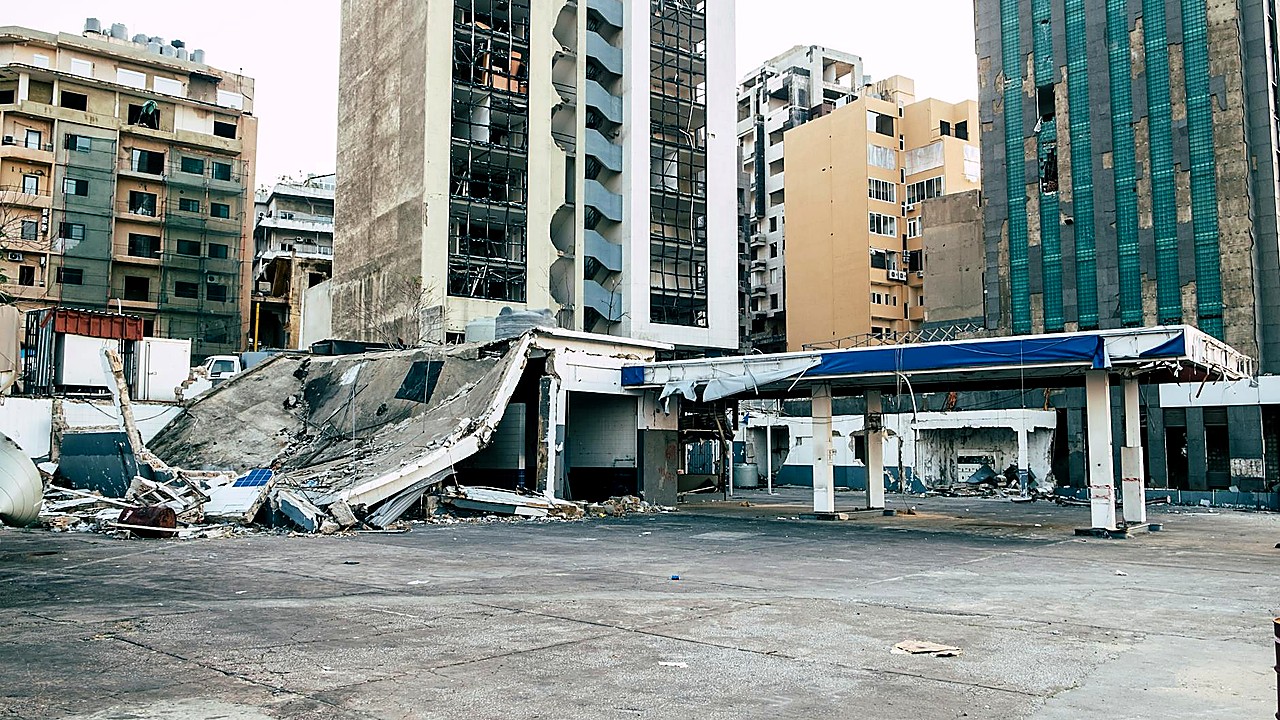
Iran launched missiles toward Israel after airstrikes in Lebanon, escalating a fast-moving regional crisis that has drawn in multiple fronts and raised fears of further retaliation.
The development came after Israeli strikes in and around Beirut, according to headlines from The Guardian, which reported Iran said the missile launches were in response to those attacks. Radio Free Europe/Radio Liberty reported that Israel said it intercepted a fresh wave of Iranian air attacks.
The Guardian also reported that Israel carried out strikes in southern Lebanon after ordering evacuations of nine villages, underscoring the intensity of operations along Israel’s northern border and the increasing risk of spillover beyond any single flashpoint.
Israeli authorities said their air defenses were engaged as the missiles were launched toward Israeli territory. RFE/RL’s reporting described Israel’s account as intercepting the incoming attacks, though no additional verified details about damage or casualties were included in the provided context.
Iran’s action marks a significant escalation because it involves direct missile launches toward Israel following events in Lebanon, rather than an exchange limited to a single arena. With strikes reported in Beirut and in southern Lebanon, the crisis is no longer confined to one geographic pocket, increasing the likelihood that military decisions in one location could trigger rapid responses elsewhere.
The immediate concern for governments and civilians is the pace of escalation. Missile launches, interception claims, and cross-border strikes can compress decision-making time and heighten the chance of miscalculation. The situation also places intense pressure on air defense systems and emergency services in Israel while deepening uncertainty in Lebanon, where evacuations of villages were reported.
This moment also matters diplomatically. Any direct Iran-Israel exchange, alongside Israel’s operations in Lebanon, complicates efforts to contain violence and could affect regional security calculations among neighboring states and international partners.
What happens next will hinge on confirmed assessments from the parties involved and on whether additional strikes follow. Israel’s stated interception of a fresh wave of attacks suggests continued vigilance and the potential for further defensive operations. Iran’s framing of its missile launches as a response to strikes in Beirut points to a retaliatory cycle that could continue if military actions persist.
Further clarity is expected from official statements, including whether Israel reports additional incoming attacks or follow-on operations, and whether Iran signals an end to its response or additional actions. Developments on the ground in southern Lebanon, where evacuations were ordered in nine villages ahead of strikes, will also be closely watched for signs of expanded operations.
With missiles launched toward Israel after reported airstrikes in Lebanon, the region faces another volatile turning point with little margin for error.