Iran Prepares Missile Strikes Across Middle East, Officials Say
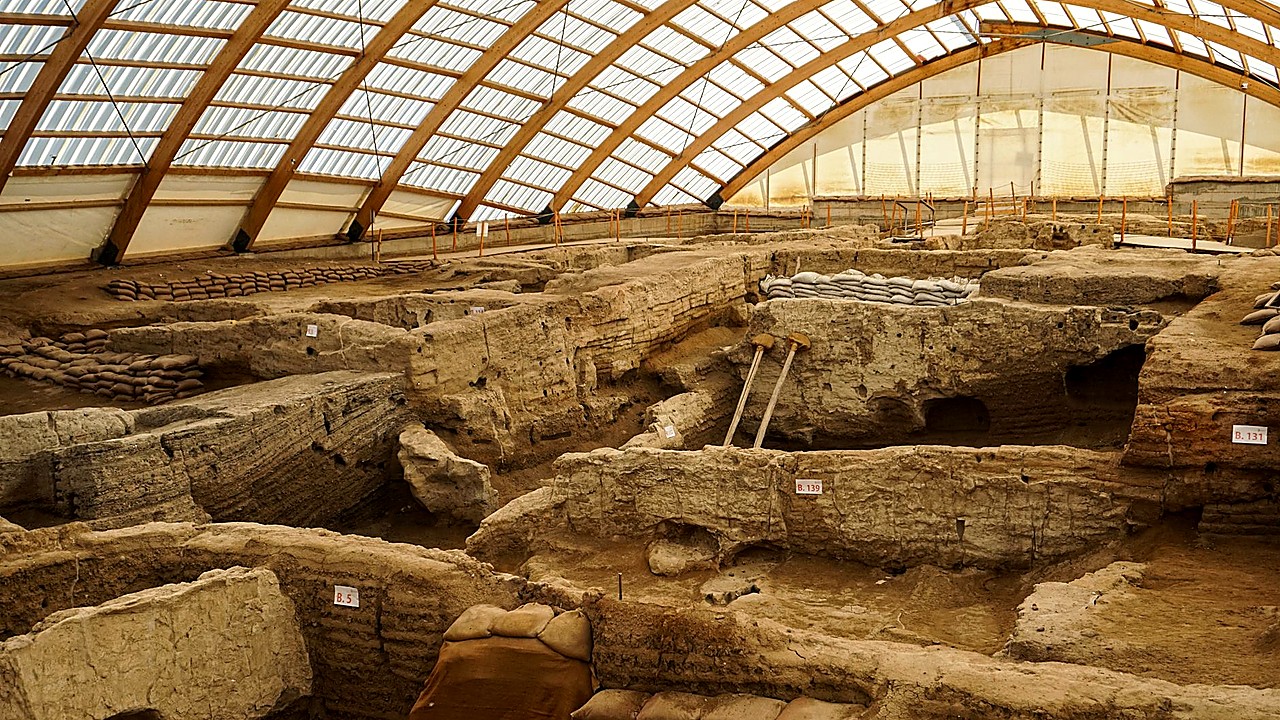
Iran has reopened access to a network of underground missile facilities that were previously struck during the war, according to published reports, and is presenting the sites as operational as it signals readiness to launch missiles across the Middle East.
The reports, published by The Jerusalem Post, CNN and The Times of Israel, describe Iranian crews digging out bombed tunnel entrances and restoring access to underground areas used to house and move missiles. The Times of Israel report said Iran reopened most entrances to 18 underground missile sites that were struck, citing a report. CNN described Iran’s reopened underground missile sites as highlighting constraints on any plan that relies on bombing to permanently disable such facilities.
The reporting indicates the sites are underground complexes with multiple entrances and tunnel networks designed to protect missiles and related equipment from airstrikes. While the outlets characterized the facilities as having been hit during the war, they also emphasized the apparent speed with which entrances and access points were restored.
The development matters because underground missile infrastructure is a central element of Iran’s deterrence posture and its ability to sustain missile operations even after attacks. If entrances can be cleared and reopened, it complicates efforts to reduce missile capacity through airstrikes alone and raises questions about how durable damage to hardened sites can be.
The reporting also underscores the strategic value of redundancy. Multiple entrances and dispersed tunnel networks can allow operations to continue even if some access points are destroyed or blocked. That makes the facilities less vulnerable to single strikes and can shorten the time needed to resume activity after attacks.
At the same time, the reports frame Iran’s messaging as an effort to demonstrate continued readiness. The Jerusalem Post described Iran as prepared to fire missiles across the Middle East after restoring access to bombed tunnels. CNN’s account focused on what the reopened sites suggest about the limits of a bombing-based approach to stopping missile operations, given the challenges of reaching deeply buried infrastructure and disabling it for the long term.
What happens next will depend on whether additional independent confirmation emerges about the condition and capability of the sites, including the extent of any damage inside the complexes and how quickly equipment and munitions can be moved through the network. The reports point to continued scrutiny of Iran’s underground missile program and how regional militaries account for hardened infrastructure in contingency planning.
For now, the published accounts present a consistent picture: Iran is restoring access to underground missile sites hit in the war and portraying those facilities as functional, a signal with immediate implications for regional security calculations.