Iran Raises Red Revenge Flag In Qom After Khamenei Death
Iran raised a red “revenge” flag above the Jamkaran Mosque in the city of Qom and issued public vows of retaliation following reports of the death of Supreme Leader Ayatollah Ali Khamenei, according to multiple published accounts.
The flag, a symbol used in Iran to signal a call for retribution, was hoisted in Qom, one of the country’s most important religious centers. The move was reported by outlets including WION and Chosunbiz, which described the flag-raising as a high-profile display tied directly to Khamenei’s reported death.
Separate reports cited in related headlines said Iranian officials and aligned media announced Khamenei’s “martyrdom,” while other coverage said he was killed during U.S.-Israel strikes. Those accounts also said Iran’s Islamic Revolutionary Guard Corps launched attacks as the conflict escalated into a second day of fighting, based on the headlines provided.
The death of Iran’s supreme leader, if confirmed through official state channels, would mark a major turning point for Iran’s political and security structure. As commander-in-chief and the highest authority in the Islamic Republic, the supreme leader sits atop Iran’s military decision-making and oversees key institutions, including the IRGC and the country’s broader security apparatus.
The red flag raised in Qom carries weight beyond symbolism inside Iran. It signals a posture of national mobilization and a promise of retribution that can shape public expectations and influence the tone and timing of official actions.
The development also intensifies scrutiny of Iran’s next steps, including potential military or covert responses, as well as measures at home such as heightened security and messaging aimed at projecting continuity in leadership and resolve.
Attention is now focused on what Tehran formally announces about Khamenei’s death, how Iran’s top institutions address succession, and what directives are issued to the military and security services. Iran’s leadership has established constitutional procedures for the supreme leader’s replacement, but public signals and institutional coordination are expected to be closely watched in the immediate aftermath of any confirmed loss.
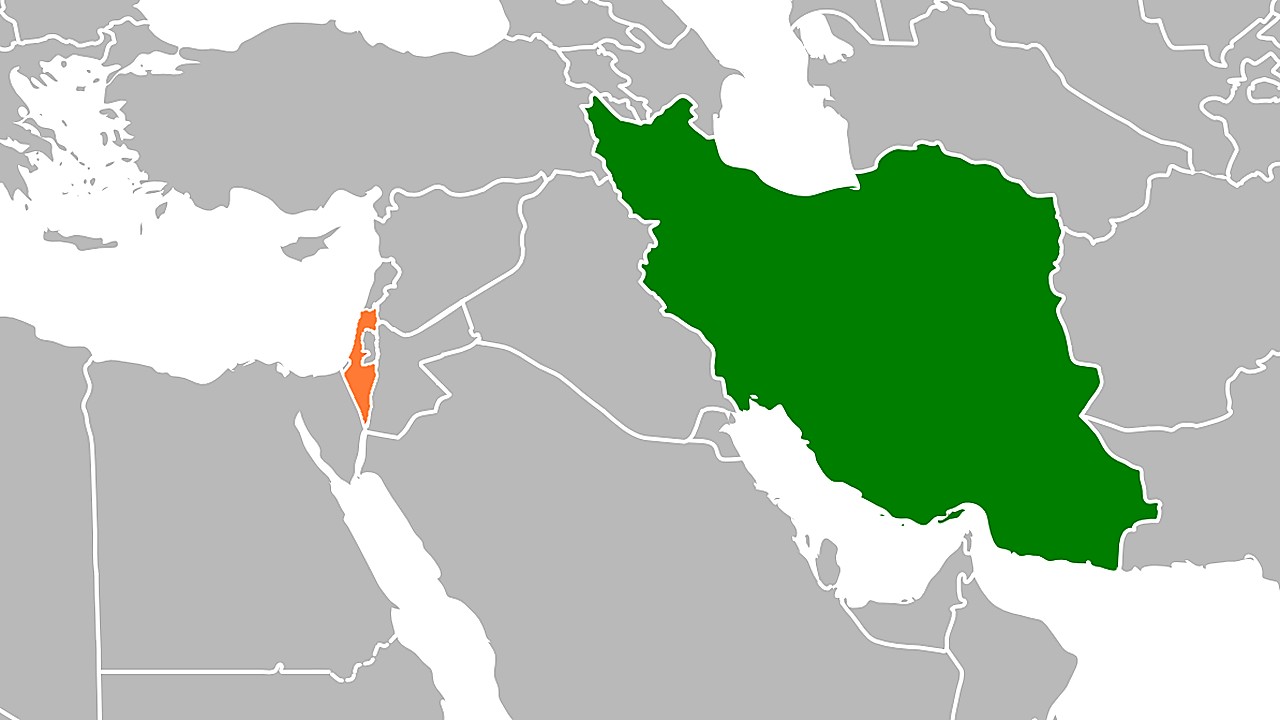
Regional governments and international actors are also expected to track Iranian statements and operational moves in the coming hours and days, particularly as reports describe ongoing strikes and counterstrikes involving the United States, Israel, and Iran. Any further announcements from Iran’s senior command, as well as operational updates from the IRGC, would be pivotal in determining the trajectory of the confrontation.
For now, the flag over Qom stands as Iran’s clearest public signal of intent following the reported death of its most powerful figure, setting the stage for a volatile and closely monitored next phase.