Iran Rejects Macron Plan To Secure Strait Of Hormuz Shipping
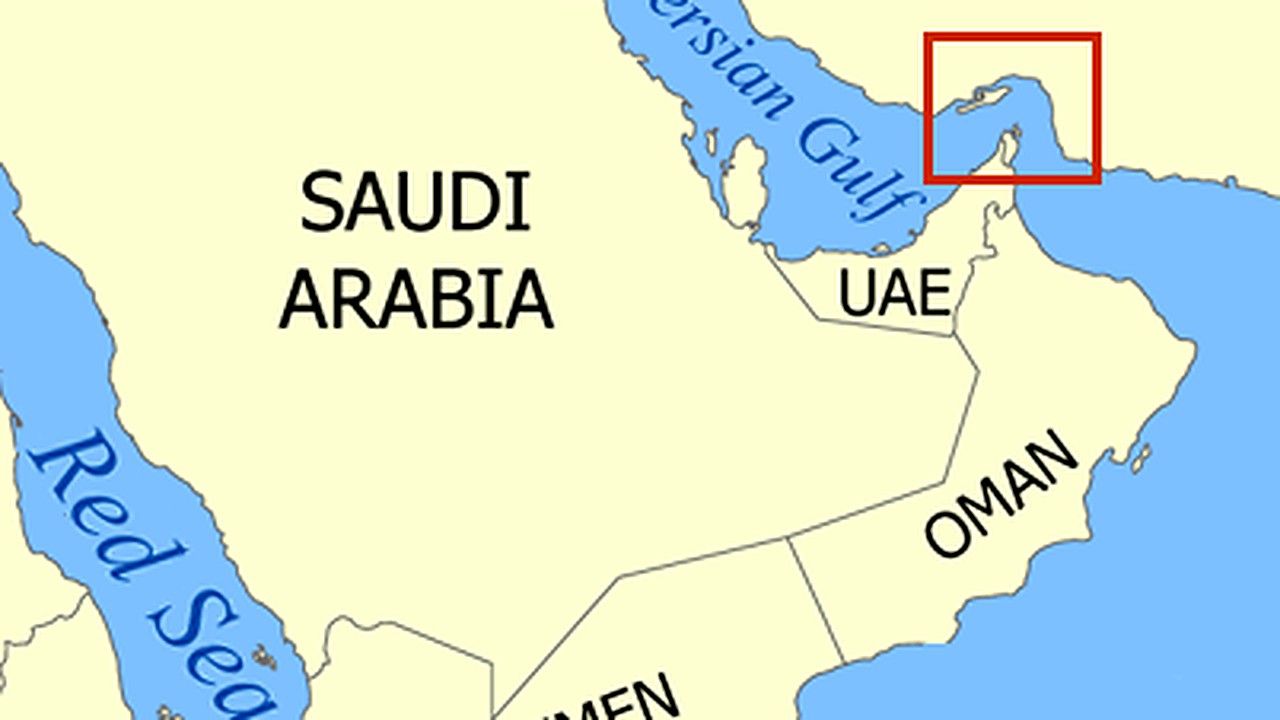
Iran has rejected a proposal from French President Emmanuel Macron to help clear the Strait of Hormuz, pushing back against the idea of a foreign-backed mine-clearance mission in one of the world’s most strategically important waterways.
The rejection was reported by multiple outlets, including Politico Europe and Iran’s WANA News Agency. The proposal was attributed to Macron, and the response was attributed to Iranian officials who said there was no need for outside involvement in security operations in the strait.
The Strait of Hormuz sits at the mouth of the Persian Gulf and serves as a critical shipping corridor. It is a narrow passageway used by commercial vessels, including energy shipments, moving between the Gulf and open sea. Any disruption there can raise immediate concerns for maritime safety and global commerce.
According to the related reporting, Iran framed the matter as an issue of sovereignty and authority over the waterway. In the accounts of the reaction, Iranian officials emphasized that they view responsibility for managing and securing the strait as their own, rejecting what they characterized as foreign intervention.
Macron’s proposal, as described in the headlines, centered on assistance with mine clearance. Mine threats, even when unconfirmed or limited, can prompt heightened caution among ship operators and insurers, and can lead to calls for cooperative security measures. The concept of a demining effort also typically implies the potential presence of foreign naval assets or technical teams, which can be politically sensitive in the region.
The development matters because it underscores the diplomatic and operational limits on international maritime initiatives in contested or high-tension waterways. Proposals presented as safety measures can still run into objections rooted in control, jurisdiction, and regional power dynamics. For shipping interests, it adds another layer of uncertainty about how any future maritime safety mission might be organized, who would lead it, and whether it would be welcomed by coastal states.
It also puts France in a difficult position as it seeks to project influence and help protect commercial navigation while avoiding steps that could be seen as escalatory or unwelcome. When a coastal state rejects external assistance, options narrow to diplomatic engagement, coordination through partners accepted by that state, or alternative arrangements outside the disputed operational area.
What happens next will depend on whether France continues to pursue a role in maritime safety in the region and whether it shifts toward coordination with countries seen as acceptable counterparts. The related headlines also referenced France and Oman launching a joint operation to clear mines in the strait, an indication that some regional cooperation efforts may proceed separately from any arrangement involving Iran.
For now, Iran’s position is clear: it does not want a foreign-led mine-clearance mission in the Strait of Hormuz, even if framed as a safety initiative.