Iran Strikes Commercial Ships In Gulf Of Oman, Officials Say
Iran has carried out attacks targeting commercial ships, Dubai’s airport and oil facilities in the Gulf region, a sharp escalation that comes as economic concerns mount inside the country and as international pressure grows for Tehran to halt strikes on its neighbors.
The attacks have focused on key nodes of global commerce and energy: shipping lanes used by commercial vessels, Dubai International Airport, and oil-related infrastructure. Dubai’s airport is widely considered the world’s busiest international hub, and any disruption there can ripple quickly through passenger travel and cargo networks.
The developments have unfolded as the United Nations’ top body demanded an end to attacks on Gulf neighbors, underscoring the risk that a cycle of retaliation could pull more countries into a wider regional confrontation. The targeting of commercial ships and energy facilities also raises immediate concerns for insurers, shippers and energy traders navigating an already tense security environment.
Iran’s posture has also been shaped by comments from the country’s supreme leader signaling that closure of the Strait of Hormuz should be used as leverage. The strait is a strategic chokepoint for global oil and gas flows, and repeated references to it heighten anxiety among governments and markets even when maritime traffic continues.
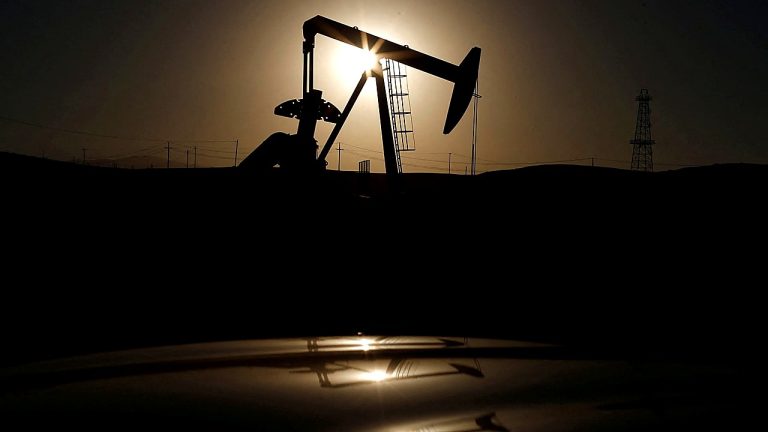
The significance of the latest attacks lies not only in what was hit, but in where. Commercial shipping in the Gulf and aviation routes through Dubai are central arteries of international trade. Oil facilities are equally sensitive because even limited damage or perceived risk can affect supply planning, pricing and delivery schedules.
The strikes also carry diplomatic implications. Calls from the United Nations’ top body for a halt to attacks on Gulf neighbors add to the likelihood of more public condemnation, urgent consultations and potential new efforts to constrain Iran’s actions. At the same time, the security of the Gulf’s airspace and sea lanes remains a shared concern for countries that rely on those routes for energy imports and export-driven growth.
What happens next will depend on how regional governments respond and whether international pressure produces any change in Iran’s behavior. The UN demand for a halt to attacks sets a marker for further diplomatic steps, while heightened security measures around ports, tankers, airports and oil installations are likely to follow.
With commercial shipping, global aviation and energy infrastructure in the crosshairs, the latest escalation is a stark reminder that Gulf instability can quickly become an international economic problem.