Israeli Strikes Hit Tehran As Iran Widens Counterattacks
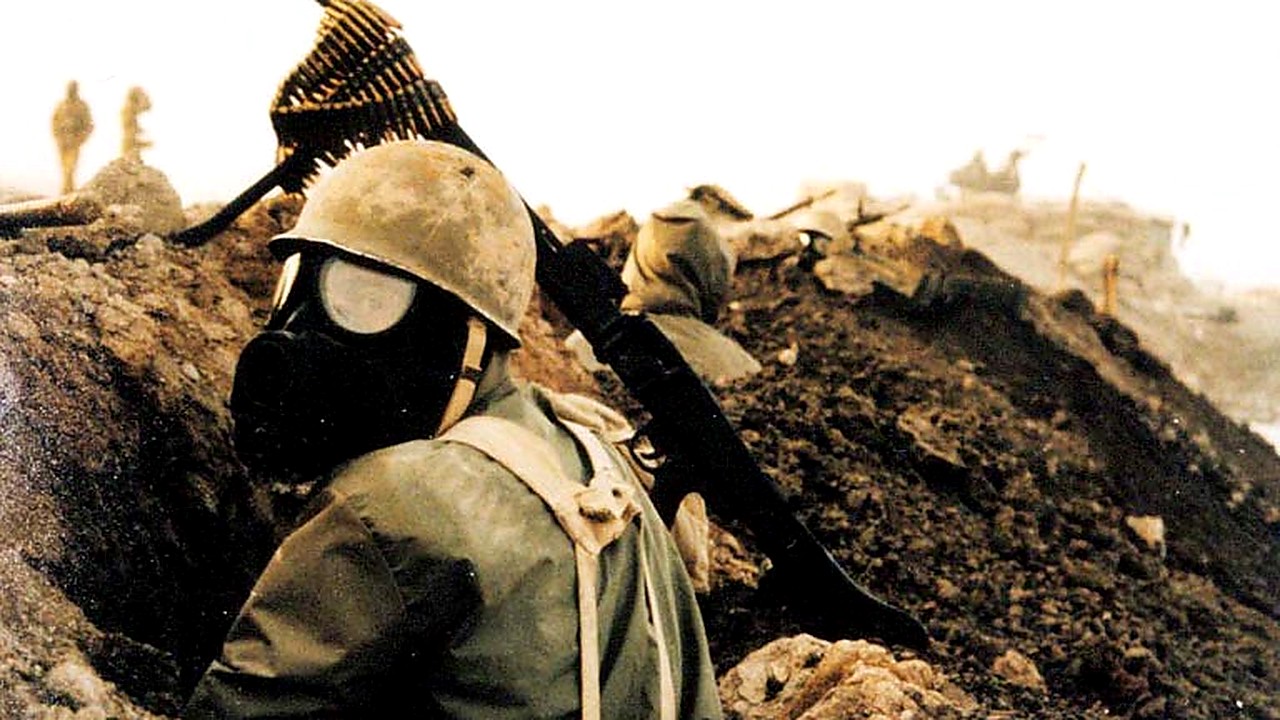
Israeli airstrikes hit Iran’s capital, Tehran, as Iran launched wider counterattacks following the killing of the country’s supreme leader, Ayatollah Ali Khamenei, according to published reports.
Israel said it was targeting Tehran as explosions were reported in the city. The strikes came amid an escalating exchange that has expanded beyond earlier attacks, with Iran responding with counterattacks that were described as widening in scope after Khamenei’s death.
The developments were reported by The Associated Press and other outlets, including WNEM, the Pittsburgh Post-Gazette, Inquirer.com, and ABC30 Fresno. Separate coverage from ABC7 Chicago focused on how Iran’s succession process works now that the supreme leader has been killed.
The fighting marks a major escalation in the long-running conflict between Israel and Iran, with direct strikes on a capital city and the reported killing of Iran’s highest authority. Tehran is the center of Iran’s political leadership and key state institutions, and any sustained attack there carries serious implications for regional security and the risk of broader conflict.
Khamenei’s death adds a destabilizing political dimension alongside the military confrontation. As supreme leader, he has been the country’s top decision-maker, overseeing Iran’s armed forces and setting the direction of major national policy. His killing, paired with strikes on Tehran and widening Iranian counterattacks, signals a sharp intensification at the highest levels of the standoff.
The reported strikes and counterattacks also raise immediate concerns about the safety of civilians and the potential for further attacks across the region. Any expansion in the targets or geography of the conflict could draw in additional parties or prompt new responses, increasing the stakes for neighboring countries and international interests.
What happens next will center on two parallel tracks: military moves and political succession. Militarily, Israel has indicated it is targeting Tehran, while Iran’s counterattacks have been described as widening. Politically, Iran now faces the challenge of moving through a leadership transition at a moment of open confrontation.
News outlets have pointed to the question of who will lead Iran next and how the succession process will proceed. That transition, and how quickly it unfolds, is likely to shape Iran’s decision-making as the country responds to ongoing strikes and plans any further military action.
For now, the situation remains fluid, with reports of explosions in Tehran and continued exchanges between Israel and Iran following the killing of Iran’s supreme leader, a development that has sharply raised the risk of a sustained and widening conflict.