Japan Core Inflation Rises In June As Oil Prices Lift Costs
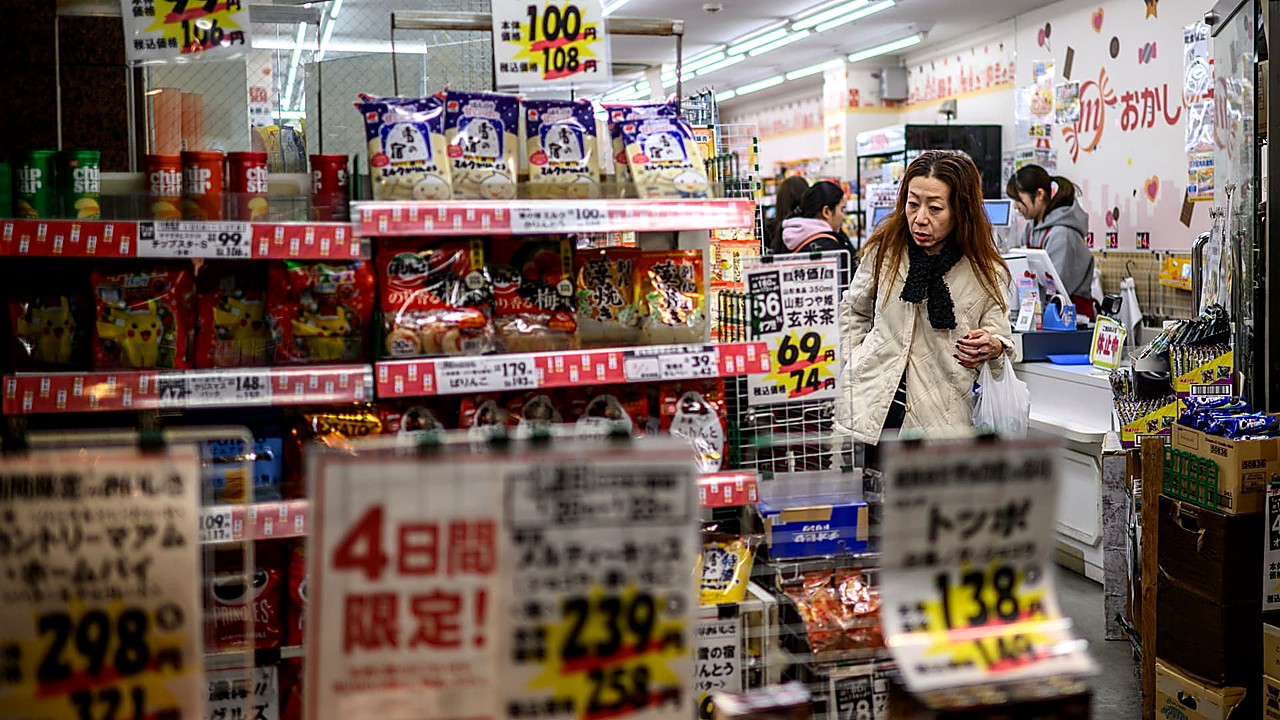
Japan’s core inflation rate edged higher in June after hitting a four-year low, as rising oil prices pushed up costs.
The June reading showed an uptick in the country’s core inflation measure, a closely watched gauge that strips out fresh food prices. The move came as energy-related costs intensified, with higher oil prices cited as a key factor weighing on household budgets and business expenses.
The update reinforces how sensitive Japan’s price trends remain to energy costs, even after a period in which inflation had cooled from earlier peaks. Oil and fuel prices feed through the economy broadly, affecting transportation, utilities, and the cost of producing and delivering goods. That can influence consumer prices beyond energy itself, particularly for everyday items where shipping and input costs are significant.
For policymakers and markets, a firmer core inflation reading can carry added significance because Japan has spent years grappling with low inflation and weak price momentum. An increase from a multi-year low may complicate the picture for officials trying to gauge whether price gains are becoming more durable or are still being driven by outside factors such as global commodity prices.
The June data also arrives as inflation remains a central economic issue internationally. While some economies have recently seen inflation ease as fuel prices fall, Japan’s experience highlights how quickly energy costs can change the direction of price measures. That contrast can shape expectations for interest rates, currency moves, and consumer sentiment, particularly when energy markets are volatile.
Higher oil prices can also put pressure on corporate margins, especially for companies that cannot easily pass along higher costs. For households, energy-driven price increases can squeeze real purchasing power, potentially affecting spending patterns. That matters for Japan’s broader growth outlook, where domestic consumption plays an important role.
Attention now shifts to how inflation evolves through the summer and whether energy prices remain elevated. Future readings will help clarify whether June’s increase is a one-off response to oil costs or part of a steadier trend. Businesses and consumers will also be watching for any further increases in energy bills and transportation expenses.
The next set of inflation data will be closely monitored for signs of how broadly price pressures are spreading beyond energy, and whether the core measure continues to move away from its recent low.
For now, Japan’s June inflation report underscores a familiar reality: when oil prices rise, the impact can show up quickly in the inflation numbers.