Microsoft Weighed OpenAI Dependence, Musk-Altman Trial Hears
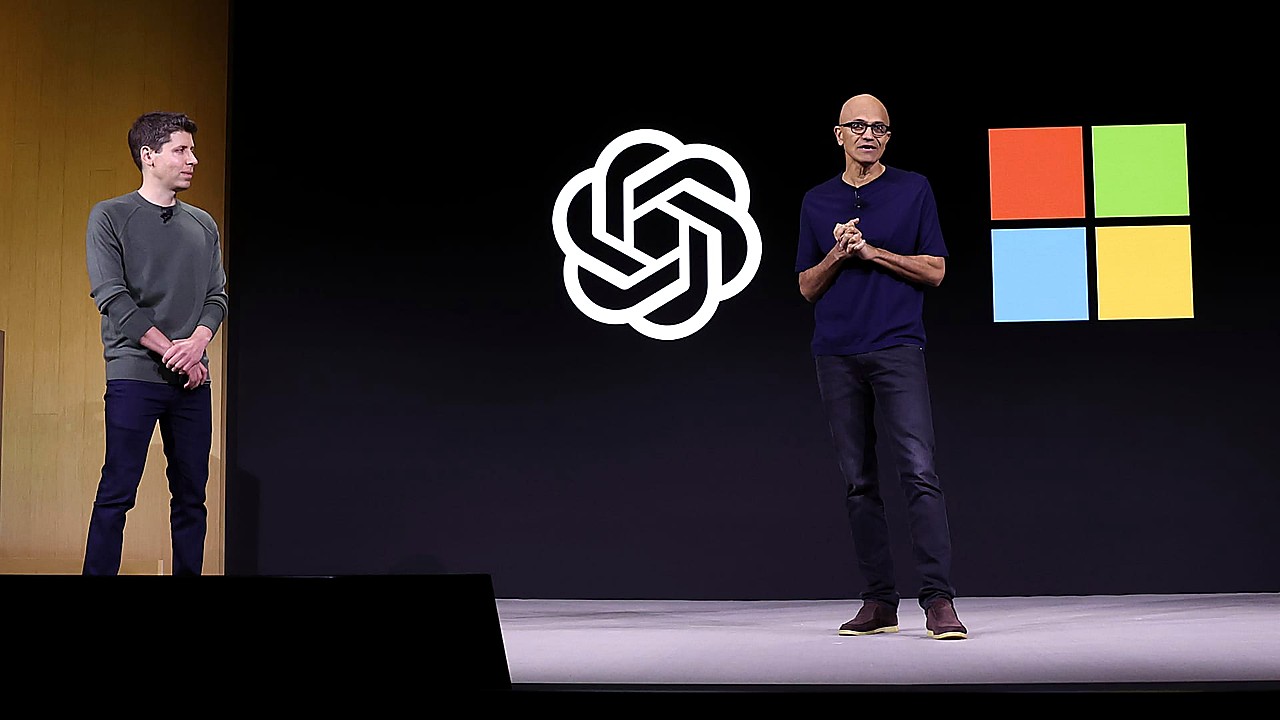
Microsoft CEO Satya Nadella testified that he was concerned Microsoft could become too dependent on OpenAI, comparing the risk to being “the next IBM,” according to accounts of courtroom testimony in Elon Musk’s case against Sam Altman and OpenAI.
The testimony came in a trial centered on OpenAI’s evolution and leadership, with Musk challenging the organization’s direction under Altman. Nadella’s remarks focused on Microsoft’s relationship with the ChatGPT creator and the strategic risks of relying heavily on a single partner for key artificial intelligence technology.
In the testimony described by multiple reports, Nadella addressed Microsoft’s internal view of the OpenAI partnership, including the potential downside of tying too much of Microsoft’s AI future to one outside lab. The “next IBM” comment was presented as shorthand for the danger of being locked into a dependency that could limit Microsoft’s flexibility as AI becomes more central to products and cloud services.
Nadella also criticized the brief internal upheaval at OpenAI, describing it as “amateur city,” according to published accounts. That comment referred to the leadership turmoil that put Altman’s position in question and forced Microsoft to weigh how to protect its interests while maintaining its public commitment to the partnership.
The case has drawn unusual public attention to the business and governance realities behind the AI boom, including how Big Tech partners with highly valued AI labs and what happens when those labs face internal conflict. Nadella’s testimony underscored that even as Microsoft backed OpenAI, executives were weighing the risk that the arrangement could shift or unravel in ways that would be hard to control.
The developments matter because Microsoft has tied major parts of its AI strategy to OpenAI-backed tools and models, which have been integrated across its product lineup and cloud offerings. Nadella’s testimony, as described in reports, reflects the tension between moving quickly in AI and avoiding a situation where a critical supplier becomes a single point of failure.
The courtroom fight between Musk and Altman has become a vehicle for airing details that companies typically keep private, including executive assessments, internal decision-making, and the stakes attached to AI partnerships. Testimony from a sitting CEO of one of the world’s most influential technology companies adds weight to the proceedings and highlights how central OpenAI has become to the competitive landscape.
What happens next is more testimony and further development of the factual record around OpenAI’s leadership and strategic direction, as presented through witnesses and evidence in Musk’s case. The trial is expected to continue drawing attention to the relationships and expectations that underpin major AI investments and partnerships.
The outcome of the case could shape how companies structure AI alliances and how much control partners demand when the technology becomes mission-critical. Nadella’s warning about overdependence offered a concise takeaway from the witness stand: in AI, speed and scale come with strategic risk.