Musk Says Millions Of Teslas Need Hardware Upgrades For FSD
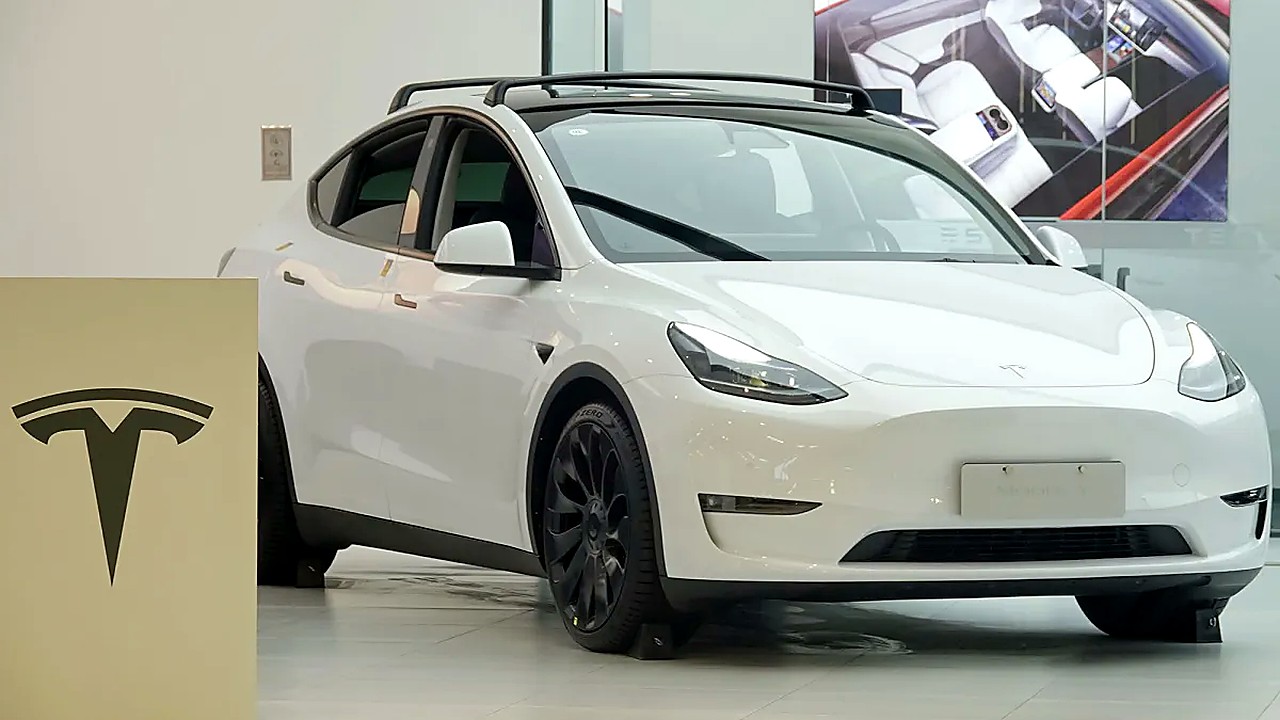
Elon Musk said millions of Tesla owners will need hardware upgrades to achieve what he described as true “Full Self-Driving,” acknowledging that existing vehicles may not be equipped to deliver the feature as it is ultimately intended.
The comments put a spotlight on Tesla’s long-running effort to sell and continuously update its driver-assistance software, often referred to as FSD, and on the gap between today’s capabilities and the company’s stated goal of a system that can operate without human supervision.
Musk’s admission centers on Tesla vehicles already on the road. By saying “millions” of owners would need upgrades, he tied the path to “true” Full Self-Driving not only to software updates but also to changes in hardware that current customers may not have.
Tesla has for years marketed Full Self-Driving as a premium software package, and the company regularly delivers over-the-air updates that add or modify functionality. Musk’s statement underscores that, for many customers, reaching Tesla’s future target state may depend on physical modifications rather than downloads alone.
The development matters because it touches on consumer expectations, pricing, and the practical timeline for Tesla’s automation ambitions. For owners who paid for FSD on vehicles purchased in prior years, any requirement for hardware retrofits raises questions about how upgrades would be handled and what the ownership experience will look like going forward.
It also matters for Tesla’s broader strategy. The company’s narrative has often emphasized rapid improvement through software iteration and fleet learning. A large-scale need for hardware changes suggests that software alone may not bridge the remaining distance to the “true” version of the product Musk referenced.
Musk has also continued to promote the idea of unsupervised FSD for consumer vehicles, repeating the company’s push toward a system that can operate without a driver actively monitoring. His latest remarks, paired with the acknowledgment about upgrades, place renewed attention on what will be required to move from supervised driver assistance to the unsupervised performance he has advocated.
Separately, Tesla is facing a racial harassment lawsuit connected to a gigafactory near Reno, another development that adds to the company’s slate of legal and operational pressures. That case is distinct from the FSD discussion but contributes to the broader scrutiny Tesla faces as it expands manufacturing and promotes advanced technology to consumers.
What happens next will depend on how Tesla translates Musk’s statement into concrete steps for customers. Owners and potential buyers will be watching for details on which vehicles would need upgrades, what components are involved, how retrofits would be scheduled, and whether Tesla would cover the cost for customers who already purchased FSD.
Until Tesla provides specifics, Musk’s comments stand as a clear acknowledgment that “true” Full Self-Driving, as he described it, is not simply a software switch for a large portion of the Tesla fleet—and that the road to delivering it runs through upgrades for millions of existing owners.