Ukraine Restarts Russian Oil Transit to Europe After Halt
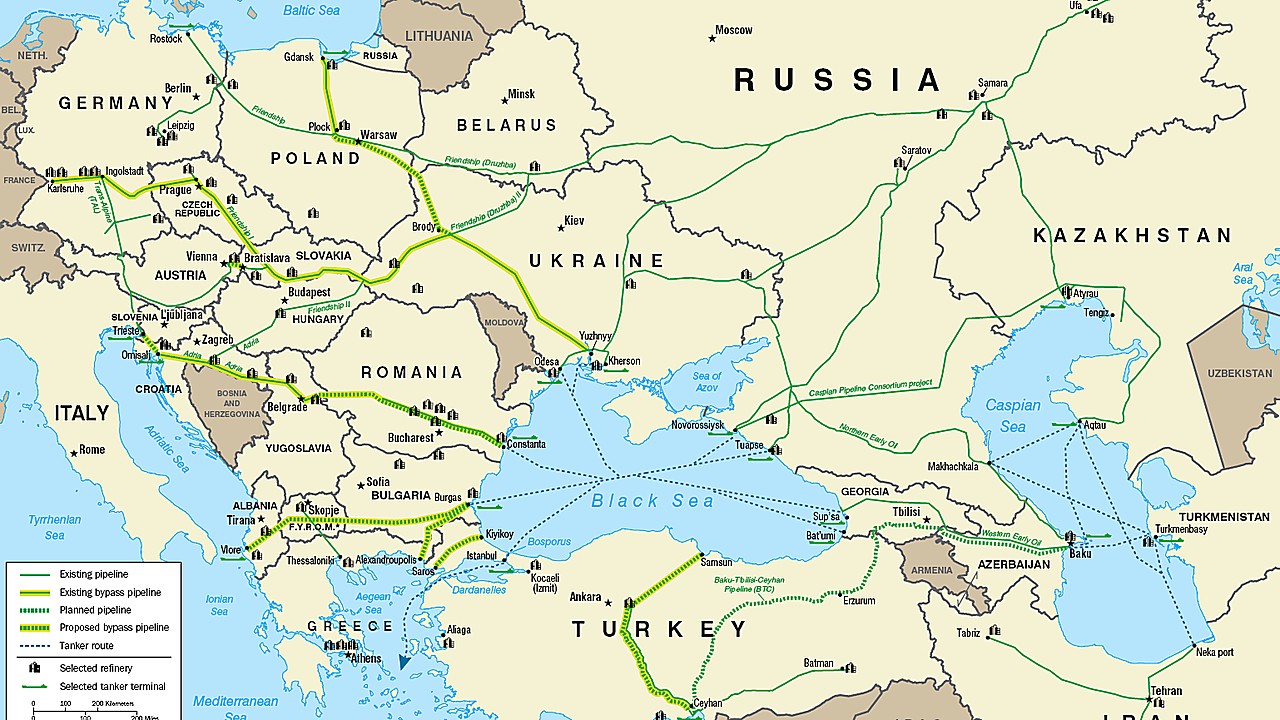
Ukraine has restarted the transit of Russian oil to parts of Europe through the Druzhba pipeline, a move that cleared the way for the European Union to move forward on a 90-billion-euro loan package for Kyiv after a dispute involving Hungary, according to multiple reports.
The restart involves Russian crude flowing through Ukraine via the Druzhba network, one of Europe’s major pipeline systems for oil deliveries. The pipeline carries crude toward Central Europe, including Hungary and other countries that still receive Russian oil under existing arrangements.
The development comes after a standoff in which Hungary raised objections tied to the oil transit issue as the EU sought to advance financial support for Ukraine. With oil flows resuming, the EU provided preliminary approval to proceed with unblocking the roughly 90 billion euros in lending for Ukraine, according to reports from France 24 and Le Monde, with other outlets including NBC News and Al Jazeera also reporting on the linkage between the pipeline restart and the financing decision.
This matters for two reasons: energy and money. Druzhba remains an important route for supplying oil to some EU member states, and disruptions can quickly become a political flashpoint inside the bloc. At the same time, the financing package represents a major tranche of European support for Ukraine, and delays can have immediate consequences for the country’s ability to sustain government operations and economic stability during wartime.
The episode also underscores how EU decisions on large financial assistance packages can be affected by disputes among member states over separate issues. Hungary’s leverage in EU decision-making has repeatedly come into focus in recent years, and this situation again shows how energy-related disagreements can intersect with broader policy and funding debates.
In the near term, attention will be on implementation: whether the Druzhba transit continues without further interruptions and whether the EU proceeds from preliminary approval to final steps needed to release the funds. European institutions and member states will need to complete the remaining procedural work to put the loan package into effect.
For Ukraine, the reopening of the pipeline and movement on the loan package amount to a significant near-term breakthrough, linking a sensitive energy corridor with one of the largest EU financial commitments now on the table.