NATO Air Defenses Intercept Missile Over Turkish Airspace
NATO air defenses intercepted an incoming Iranian missile after it entered Turkish airspace, Turkey’s government said, marking a new cross-border incident involving a NATO member as fighting elsewhere in the region continues.
Turkey said the interception happened in Turkish airspace and involved NATO defensive systems operating as part of allied air and missile defense arrangements. Multiple news organizations, including Reuters, reported Turkish officials described the intercepted weapon as a second incoming Iranian missile.
The reports did not immediately provide additional details on where over Turkey the interception occurred, what type of missile was involved, whether debris fell, or whether there were any injuries or damage. Turkish officials’ statements as carried by those outlets focused on the interception itself and the fact it occurred after the missile entered Turkey’s airspace.
NATO has not publicly outlined its version of events in the cited coverage, but the incident has been widely reported as an allied defensive action in response to a missile crossing into a member state’s airspace. The Turkish Defense Ministry was cited by The New York Times as saying NATO intercepted a second Iranian missile entering Turkey’s airspace.
The development matters because Turkish airspace is NATO airspace, and an intercepted missile crossing into it raises immediate security and political stakes for the alliance. Any incident that involves a projectile entering the territory or airspace of a NATO member can sharpen calls for consultation among allies and heighten pressure on governments to demonstrate readiness, even when the action taken is defensive.
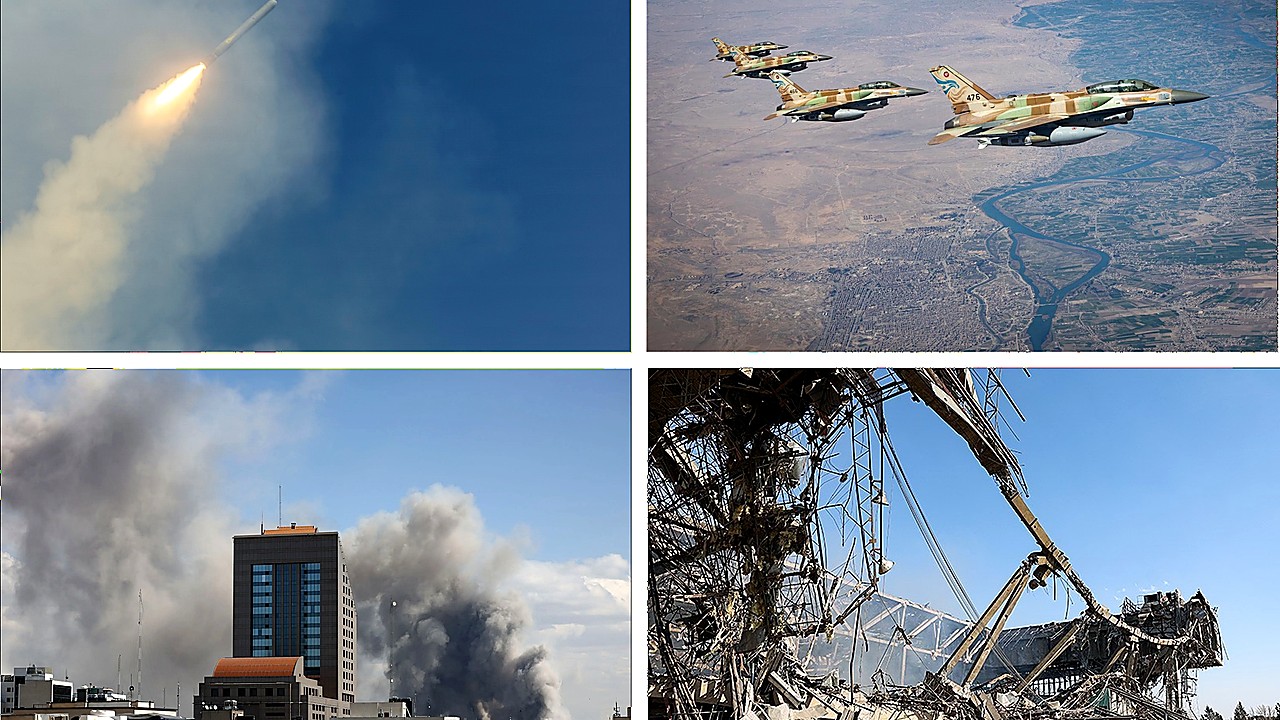
The interception also underscores the operational role of NATO air defenses in the region. While the broader situation across the Middle East has included escalating strikes involving Israel and targets in Tehran and Beirut, Turkey’s statement centers on a direct airspace violation and a response carried out by allied defensive systems.
What happens next will likely include further official readouts from Ankara and allied channels, including clarification on timing, location, and the system used to intercept the missile. Such incidents are typically followed by military assessments and diplomatic contacts aimed at establishing facts and preventing additional cross-border spillover.
Turkey may also brief NATO partners through established mechanisms as it documents the airspace incursion and the intercept, while regional governments watch for any further launches that could threaten neighboring countries. For now, Turkey’s statement leaves the central point clear: an Iranian missile entered Turkish airspace and was brought down by NATO air defenses, an escalation-risk moment on the edge of a wider conflict.