Netanyahu Tells 60 Minutes Israel May Act Without U.S. Backing
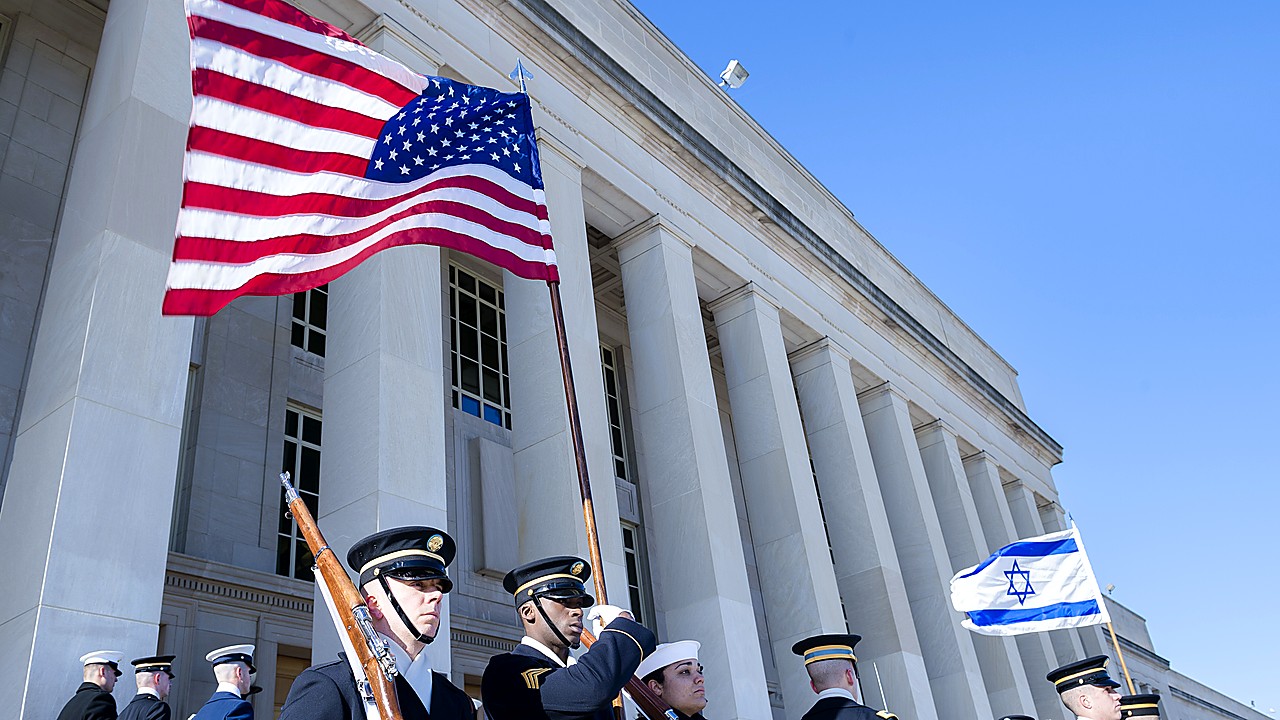
Israeli Prime Minister Benjamin Netanyahu used a “60 Minutes” appearance to signal a shift in tone toward the United States, suggesting a more independent posture in the relationship as the region remains roiled by conflict and renewed focus on Iran’s nuclear program.
The comments, highlighted in coverage by The Daily Beast and echoed in syndication by outlets including MSN and Yahoo News Canada, framed Netanyahu as edging toward a public break with Washington’s approach. The reporting described the moment as a “soft launch” of distancing from the U.S., presented not through a formal policy announcement but through carefully calibrated remarks in a high-profile American television interview.
Netanyahu, Israel’s longest-serving prime minister, has long treated U.S. support as central to Israel’s diplomatic and military strategy. A prime-time U.S. newsmagazine platform offers direct access to American audiences and policymakers, and statements delivered there are typically weighed for their implications beyond domestic Israeli politics.
The development comes as media reports also focus on Netanyahu discussing former President Donald Trump’s ideas about Iran’s nuclear materials. An MSN headline circulating alongside the “60 Minutes” coverage describes Netanyahu as revealing “Trump’s plan for Iran’s nuclear stockpile,” signaling that Iran remains a dominant subject in the political messaging around Israel’s security posture and its expectations of U.S. leadership.
Why it matters is less about a single interview line than the message Washington is likely to take from it: a close ally indicating it may not fully align its next steps with U.S. preferences. When U.S.-Israel coordination is smooth, Israeli leaders often emphasize shared strategy and common red lines. When it frays, the differences can show up first in rhetoric, then in diplomacy, and ultimately in decisions with regional consequences.
Any perceived widening of daylight between Jerusalem and Washington can complicate U.S. efforts to manage escalation risks, shape regional coalitions, and maintain leverage with partners who look to U.S.-Israel unity as a signal of stability. It can also influence domestic politics in both countries, where Israel policy is scrutinized by competing factions and where public messaging can harden expectations on all sides.
In practical terms, the next steps will hinge on whether Netanyahu’s televised posture is followed by concrete actions or official statements that alter cooperation on security, diplomacy, or Iran-related policy. U.S. officials and Israeli stakeholders will parse subsequent comments from Netanyahu’s office, responses from Washington, and any near-term meetings that clarify whether this was a messaging adjustment or the start of a more substantive realignment.
For now, the takeaway is that a relationship long defined by tight coordination is facing new public tests, and Netanyahu chose one of America’s most visible platforms to deliver that signal.