Nvidia Unveils RTX Spark GPU Line For Laptops And Desktops
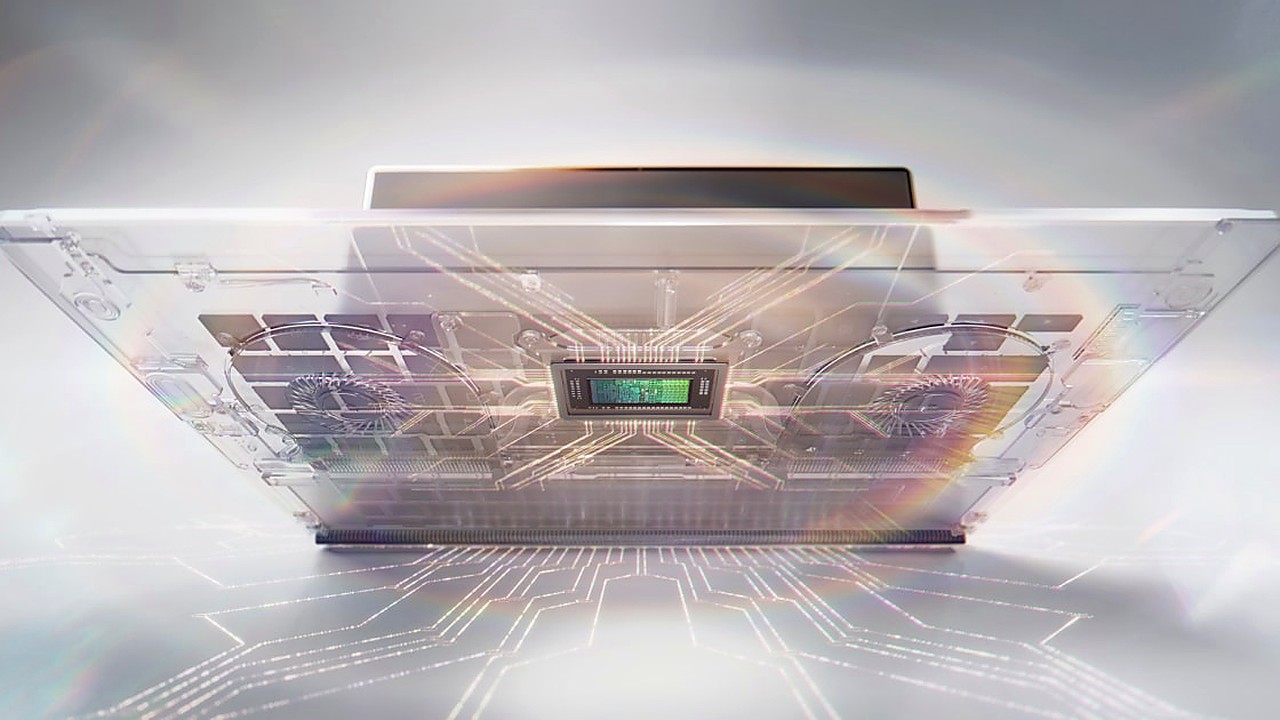
Nvidia has introduced a new laptop processor called RTX Spark for Windows PCs, marking the company’s latest push to expand beyond graphics chips and into the heart of mainstream personal computers.
The announcement ties Nvidia closely to Microsoft’s plans to remake Windows laptops around on-device artificial intelligence features. RTX Spark is positioned as a Windows laptop chip designed for the “personal AI” era, with Nvidia and Microsoft presenting it as part of a broader effort to build AI-focused PCs.
RTX Spark is an Arm-based processor that Nvidia says will debut in laptops from major PC makers, including Microsoft, Dell and HP. The chip is being presented as a direct new option for Windows laptop manufacturers that have traditionally relied on processors from Intel and AMD.
Nvidia is pitching RTX Spark around efficiency and AI performance in thin-and-light notebooks. One set of early device coverage points to a Microsoft Surface Laptop Ultra model featuring RTX Spark, placing the chip in a flagship Windows hardware line rather than a niche experiment.
The move matters because it signals a meaningful shift in the Windows laptop market at a time when Microsoft is emphasizing AI capabilities built into the operating system and delivered locally on a device. If Nvidia can win design slots across multiple laptop brands, RTX Spark could change the competitive dynamics for Windows PCs, especially as the industry looks for hardware that can handle more AI tasks without relying on a constant cloud connection.
It also adds another heavyweight to the accelerating contest over Windows on Arm. Microsoft has been working to broaden Windows laptop options that use Arm processors, and Nvidia’s entry introduces a new silicon partner with deep experience in graphics and accelerated computing.
For Nvidia, RTX Spark is also a strategic expansion. The company has long powered PC gaming through GPUs, and it dominates AI computing in data centers. A full laptop processor pushes Nvidia into a category with enormous volume and visibility, and places it more directly in competition with entrenched PC chip suppliers.
What happens next will be defined by the first wave of shipping systems and how widely RTX Spark appears across laptop lineups. Manufacturers will need to detail configurations, performance targets, and pricing, while Microsoft will be watched for how it integrates Windows features with the new hardware in its own devices.
The key near-term test is straightforward: whether RTX Spark-powered laptops from Microsoft and top PC makers arrive broadly and perform as a compelling new class of Windows AI PCs in everyday use.