Oil Tankers Face Worst Case Risk In Strait Of Hormuz
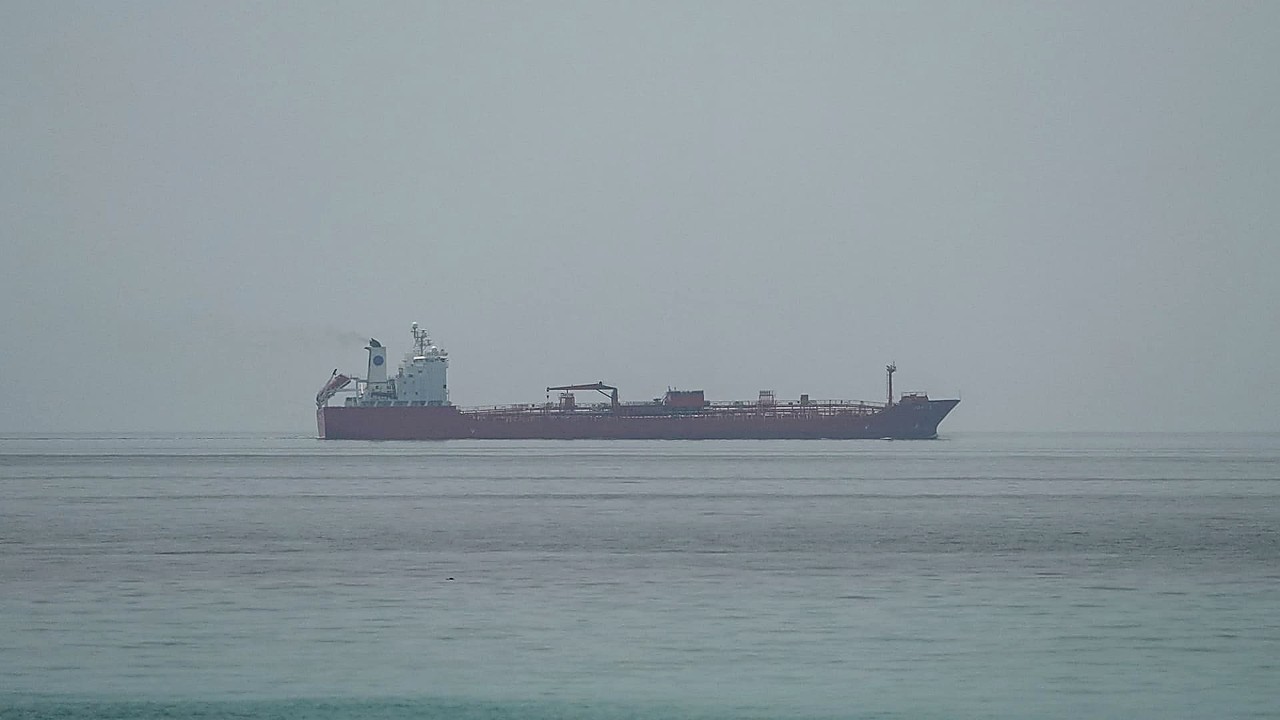
Oil tankers transiting the Strait of Hormuz are facing what one maritime security executive described as a “worst case scenario,” as Iran steps up attacks on ships in and around the critical waterway, according to remarks cited by CNBC.
The warning comes as shipowners, insurers and energy traders track rising risks in the narrow strait that links the Persian Gulf to global markets. The Strait of Hormuz is one of the world’s most important chokepoints for seaborne oil, and any sustained disruption can quickly ripple through supply chains and prices.
The latest assessment was attributed to a maritime risk CEO who told CNBC that the operating environment for commercial shipping has deteriorated amid increased Iranian activity targeting vessels. The report pointed to heightened danger for tankers and other merchant ships navigating the corridor.
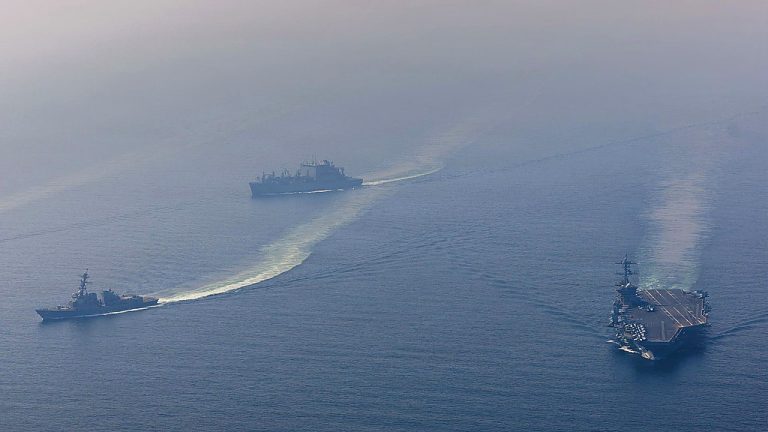
Related coverage has described a broader escalation between the United States and Iran focused on control and access in the area. CBS News reported that the U.S. blockaded Iranian ports and launched dozens of strikes as President Donald Trump sought control of the Strait of Hormuz. Another headline carried by Yahoo framed the situation as a “worst case scenario” for shippers as the U.S. and Iran step up attacks.
Separate reporting referenced the potential for significant oil price increases if the standoff continues into mid-July. One social media post citing the Department of Energy said large price hikes could loom in the third week of July as the two countries battled over the strait in a renewed Middle East war. The post did not provide additional details beyond that summary.
The development matters because the Strait of Hormuz is a central artery for global energy shipments. Any increase in attacks on commercial vessels can alter shipping routes, delay deliveries, raise insurance costs and add new security requirements for crews. Even without a full closure, the perception of danger can affect how many ships are willing to transit and under what conditions.
For oil markets, the primary concern is whether tanker traffic can continue safely and reliably. Reduced throughput or interruptions at the chokepoint can tighten supply, particularly for buyers that depend on Gulf crude and refined products. The effects can extend beyond energy, as higher transportation costs can filter into broader freight and commodity pricing.
What happens next will depend on how shipping firms and naval forces adjust to the risk environment and how quickly the security situation stabilizes. Companies may review transit schedules, adopt additional protective measures, or pause voyages depending on their risk tolerance and insurer requirements.
Government actions are also likely to be closely watched. The CBS News account of U.S. strikes and a blockade, along with reports of Iranian attacks on ships, suggests the possibility of further military moves that could affect maritime traffic. Any new incident involving a commercial vessel in the strait would likely prompt immediate operational changes across the sector.
For now, the maritime industry is bracing for sustained volatility in one of the world’s most strategically important shipping lanes, with tanker operators weighing safety against the relentless demand to keep energy moving.