OpenAI To Shut Down Atlas, Reassign Staff To Browser Effort
OpenAI is shutting down Atlas, a browser product tied to ChatGPT, bringing an end to the tool after a short run even as the company continues to pursue broader ambitions around AI-powered web experiences.
The shutdown was reported in recent coverage describing OpenAI’s decision to wind down Atlas while still investing in how people use AI to navigate and work on the internet. Atlas was positioned as a browser-centered way to use ChatGPT, with the goal of making web activity more guided and productive through AI.
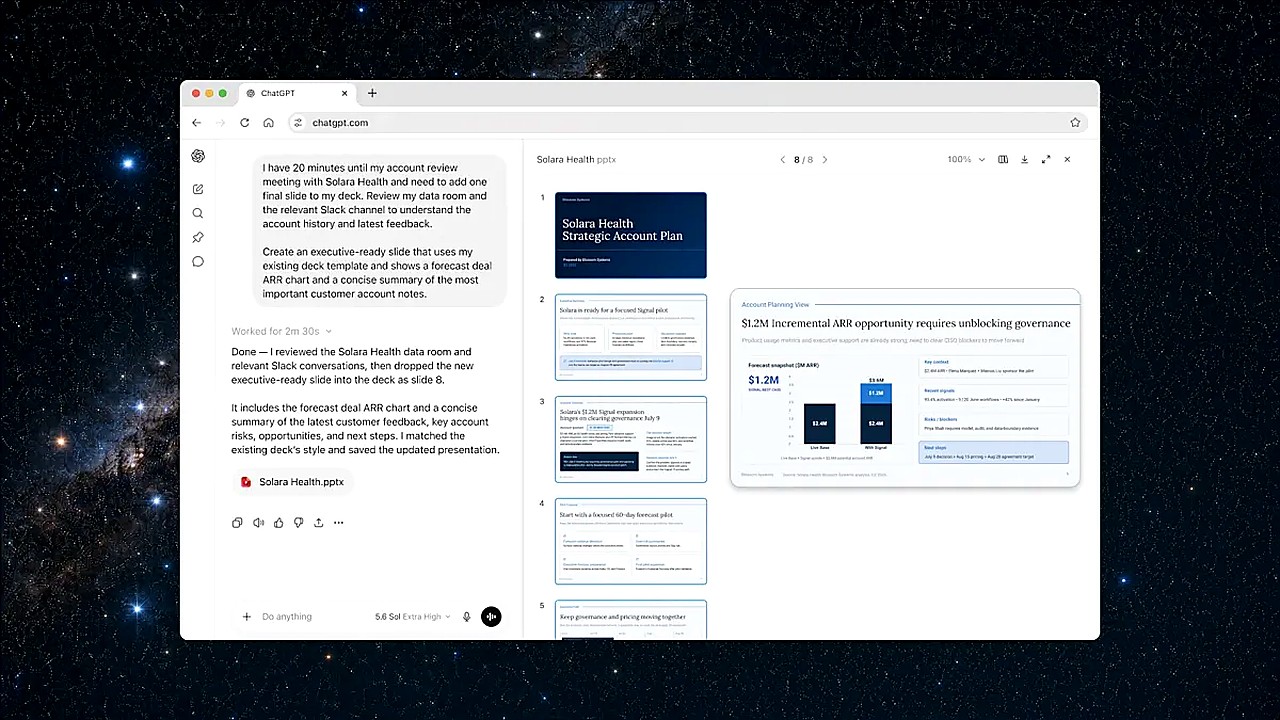
The decision to close Atlas comes amid a period of rapid product iteration at OpenAI. In a separate announcement, the company recently described ChatGPT as “now a partner for your most ambitious work,” signaling an emphasis on using the assistant for larger, more complex tasks rather than only quick questions and answers.
Taken together, the two developments underscore a key tension in the AI product race: experiments can be shuttered quickly, while the underlying strategy continues to expand. Atlas’ closure does not signal a retreat from AI’s role in the browser. Instead, it reflects a narrowing of focus on how OpenAI wants users to interact with ChatGPT and related tools as the company refines what works.
This matters because the browser has become a central battleground for consumer and workplace AI. The web is where research, shopping, scheduling, communication, and content creation converge, and any company that successfully embeds AI into those workflows can influence how people spend time online and how information is found and used. OpenAI’s willingness to end Atlas while continuing to push AI-assisted work suggests the company is prioritizing approaches that scale and resonate with users.
Atlas also illustrates the challenges of launching a new browser experience in a space dominated by entrenched products and habits. Even a well-known AI brand must contend with the friction of changing how people browse, the expectations for speed and compatibility, and the reality that many users may prefer AI features layered into existing tools rather than switching to an all-new browsing environment.
What happens next is a re-centering around ChatGPT and whatever browser-oriented features or partnerships OpenAI chooses to emphasize going forward. OpenAI has indicated it wants ChatGPT to play a deeper role in ambitious work, and the company’s continuing interest in AI-driven browsing suggests it will keep exploring ways for the assistant to help users complete multi-step tasks that involve the web.
For users who tried Atlas, the immediate next step is transitioning away from that product and relying on other OpenAI offerings that remain available. For the industry, the larger story is that OpenAI appears to be pruning one experiment while keeping its sights set on the broader goal: making AI a more integrated layer in how people use the internet.
Atlas is ending, but OpenAI’s push to reshape web workflows with AI is not.