
Rubio Cites Slight Progress In Iran Talks, Rejects Hormuz Tolls
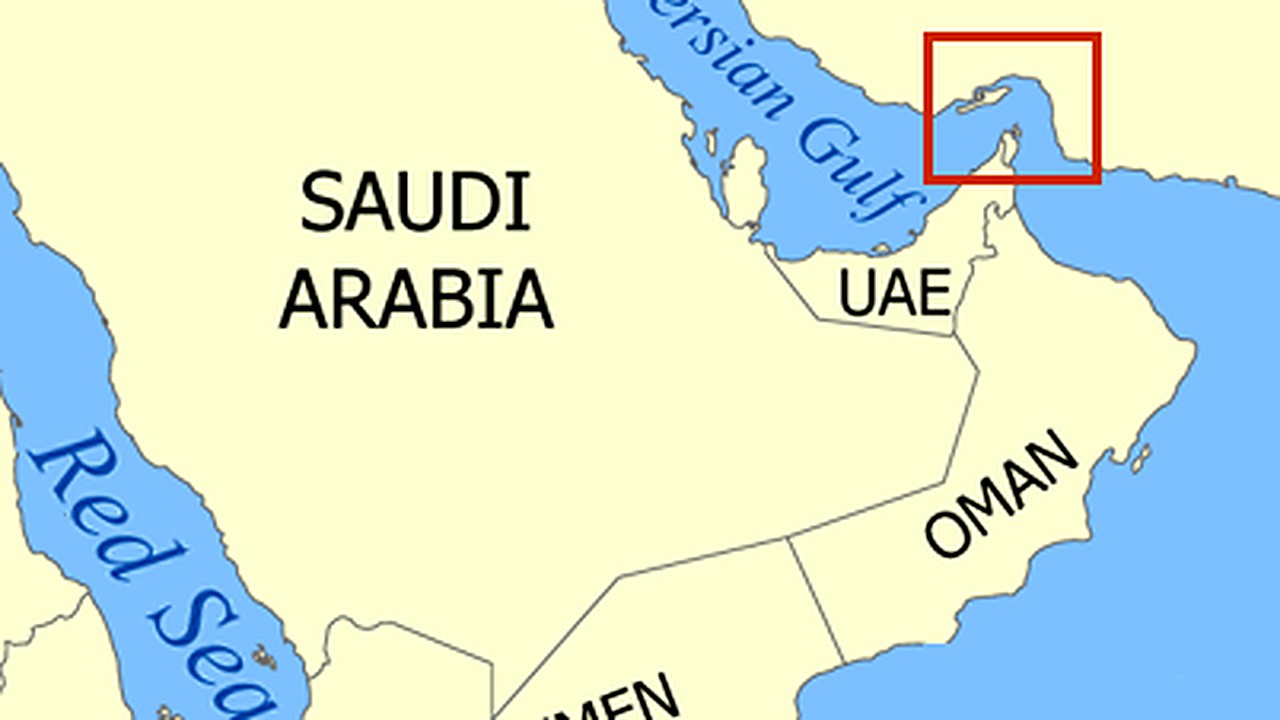
Secretary of State Marco Rubio said the United States has made “slight progress” in talks involving Iran and the situation surrounding the Strait of Hormuz, while making clear Washington does not support any “tolling system” for passage through the strategic waterway.
Rubio’s comments came as diplomatic engagement continued amid broader uncertainty over the direction of U.S.-Iran contacts and the security outlook in the Gulf. He characterized the talks as moving forward in limited fashion, underscoring that discussions have not produced a breakthrough.
The secretary’s remarks focused on two related issues: the state of communication with Iran and the status of maritime transit through the Strait of Hormuz, one of the world’s most important shipping chokepoints. Rubio said there has been “slight progress” on Iran and the Hormuz situation, indicating movement on specific points without describing them in detail.
At the same time, Rubio rejected the concept of a Hormuz “tolling system,” signaling U.S. opposition to any arrangement that would require ships to pay a fee tied to safe passage through the strait. His position drew a firm line on freedom of navigation and the principle that international waterways should not be subject to ad hoc payments as a condition of transit.
The development matters because the Strait of Hormuz sits at the center of global energy and commercial shipping routes. Any shift in the rules, security posture, or expectations around passage can affect regional stability and international trade. Rubio’s paired messages of limited progress and firm opposition to tolling reflected a push to keep diplomacy moving while reinforcing longstanding U.S. positions on maritime access.
The comments also came alongside regional assessments that negotiations remain fragile. A separate recent headline from the UAE cited Anwar Gargash saying Iran may have “over-negotiated” with the United States as a peace deal “hangs in balance.” Rubio did not address that characterization directly in the material provided, but his description of “slight progress” aligns with a picture of incremental movement rather than a settled agreement.
Rubio’s language suggests U.S. officials are working through a narrow set of attainable steps while trying to avoid new flashpoints connected to Gulf shipping. By rejecting any tolling framework, the administration signaled it is unwilling to legitimize a fee-for-passage model that could be interpreted as coercive or as altering established norms.
What happens next is continued diplomacy. Rubio’s use of measured terms points to further rounds of engagement aimed at clarifying expectations and reducing risk around the strait, alongside ongoing talks with Tehran where outcomes remain uncertain. Any next steps are likely to be judged by whether they produce tangible de-escalation measures and clearer operational conditions for maritime transit.
For now, the U.S. is presenting a dual message: talks are inching forward, but the Strait of Hormuz is not up for negotiation as a pay-to-pass corridor.