Traders Price In Fed Rate Hike After Inflation Reaccelerates
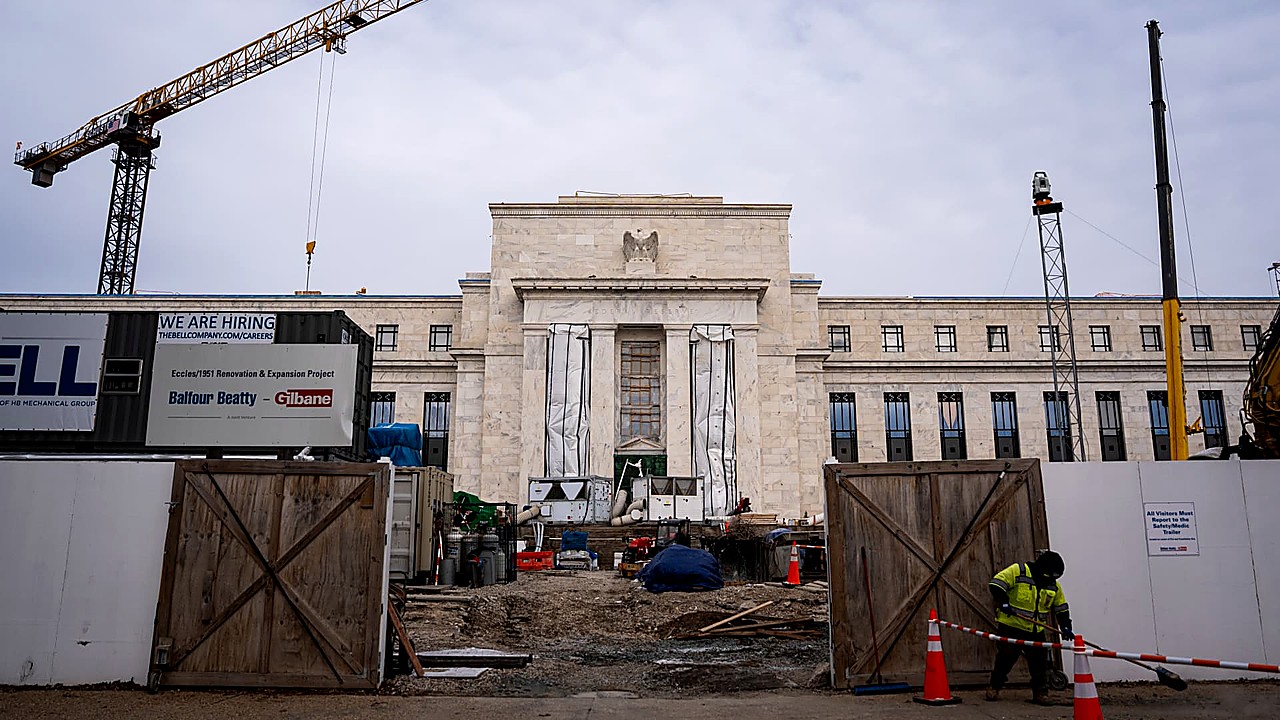
Traders are now pricing the Federal Reserve’s next interest-rate move as a hike after a fresh inflation surge jolted markets and pushed borrowing costs higher.
The repricing followed the release of hotter-than-expected inflation data that forced investors to reassess the path of monetary policy. In response, Treasury yields climbed sharply, with the 30-year Treasury yield topping 5.1%, its highest level in nearly a year, according to CNBC. The U.S. dollar also surged after the inflation report, as markets turned their focus to upcoming economic releases including U.S. retail sales and U.K. GDP, according to MEXC.
The shift in expectations marks a significant turn for markets that had been focused on when, not whether, the Fed would begin cutting rates. Instead, the latest data revived the possibility that policymakers may need to tighten further to keep inflation moving lower. That prospect immediately rippled through interest-rate-sensitive corners of the economy, from mortgages to corporate borrowing, because longer-term Treasury yields anchor a wide range of consumer and business financing costs.
A move in the 30-year yield above 5% is closely watched on Wall Street because it can translate into higher long-term rates across the economy. Higher yields can also pressure stock valuations by raising the return investors can get from safer assets and by increasing the discount rate used to value future corporate earnings. At the same time, a stronger dollar can weigh on U.S. multinationals by making overseas revenue worth less in dollar terms and can tighten financial conditions more broadly.
For the Fed, the market’s pivot underscores the central bank’s challenge as it tries to bring inflation down without causing unnecessary damage to growth. Inflation that proves stubborn can keep pressure on policymakers to hold rates higher for longer, or even to consider another increase, depending on how price data and demand indicators evolve. The market reaction also highlights how quickly expectations can change when a major economic release signals that disinflation may be losing momentum.
The immediate question for investors now is whether the inflation surge will be confirmed by other data. Markets are looking ahead to U.S. retail sales as the next major read on consumer demand, along with other scheduled releases that could either reinforce or temper the hawkish repricing. Investors will also be watching the next round of Fed communications for any indication that officials are becoming more concerned about inflation’s trajectory.
In the meantime, the bond market is doing some of the Fed’s work by tightening financial conditions as yields rise, raising the stakes for the next set of economic reports. The direction of inflation and the resilience of consumer spending will determine whether this turn toward a potential hike becomes a lasting shift or a short-lived shock.