Ukraine Says Russian Missiles Built In 2026 Used Western Parts
Ukraine’s government says Russian missiles used in a deadly strike were manufactured this year and contained Western-made components, raising fresh questions about how Russia continues to obtain foreign parts for its weapons despite international restrictions.
The allegation was reported by the Financial Times and cited by Ukrainian outlet Ukrainska Pravda. Ukrainian officials said an analysis of the missiles used in the attack found more than 100 Western components inside them. Ukraine did not publicly identify all of the parts or manufacturers in the reporting cited, but described the components as Western.
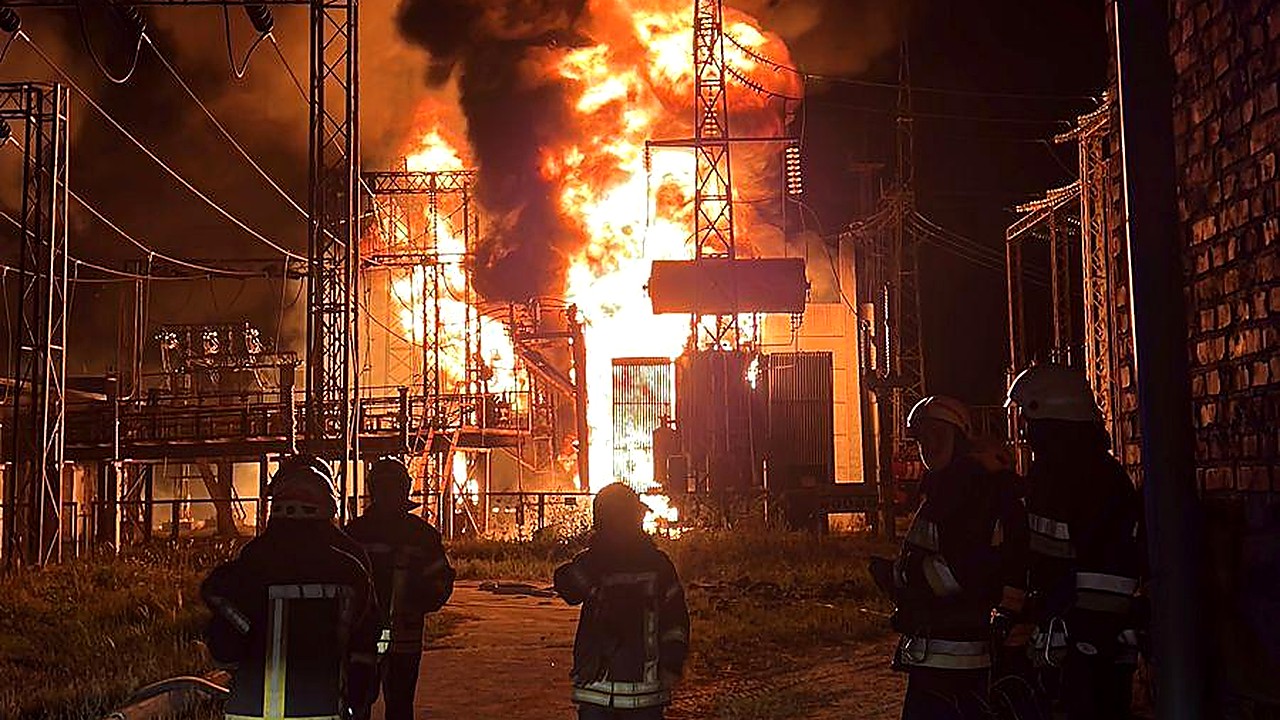
The strike referenced in the reports hit Kyiv, Ukraine’s capital. Ukrainian authorities characterized it as deadly. The Financial Times report said the missiles used were built this year, indicating recent production rather than older stockpiles.
The claim matters because it speaks to Russia’s ability to sustain missile manufacturing during its war against Ukraine. If missiles assembled in 2026 contain substantial quantities of Western parts, it suggests that Russia can still access foreign electronics and other components that are commonly used in modern guidance and control systems.
Ukraine and its partners have repeatedly argued that limiting Russia’s access to such components is critical to reducing Moscow’s capacity to carry out long-range strikes. Findings that cite large numbers of Western parts can intensify pressure on governments and companies to trace supply chains, improve enforcement, and close loopholes that allow dual-use goods to be diverted.
The reports also put renewed attention on the technical work Ukraine is doing to document what it says is found in the debris of weapons used against its cities. Ukrainian statements about recovered components are often used to support diplomatic efforts and to encourage additional export-control measures and compliance checks.
What happens next is likely to include more requests from Ukraine for tighter controls and cooperation from partner countries. The Financial Times reporting, along with follow-up coverage, is expected to prompt additional scrutiny of how components move through intermediaries and where enforcement may be failing.
Ukraine’s claims could also lead to further disclosure by Ukrainian agencies if they release more detailed inventories of parts recovered from missile wreckage. Any such releases would be closely watched by governments involved in sanctions and export-control regimes, as well as by firms whose products may have been diverted.
For now, Ukraine’s message is blunt: it says Russia is fielding newly built missiles in attacks on Kyiv, and that Western components are turning up inside the weapons used to kill people.