Trump Likens Himself To Theodore Roosevelt At Library Opening
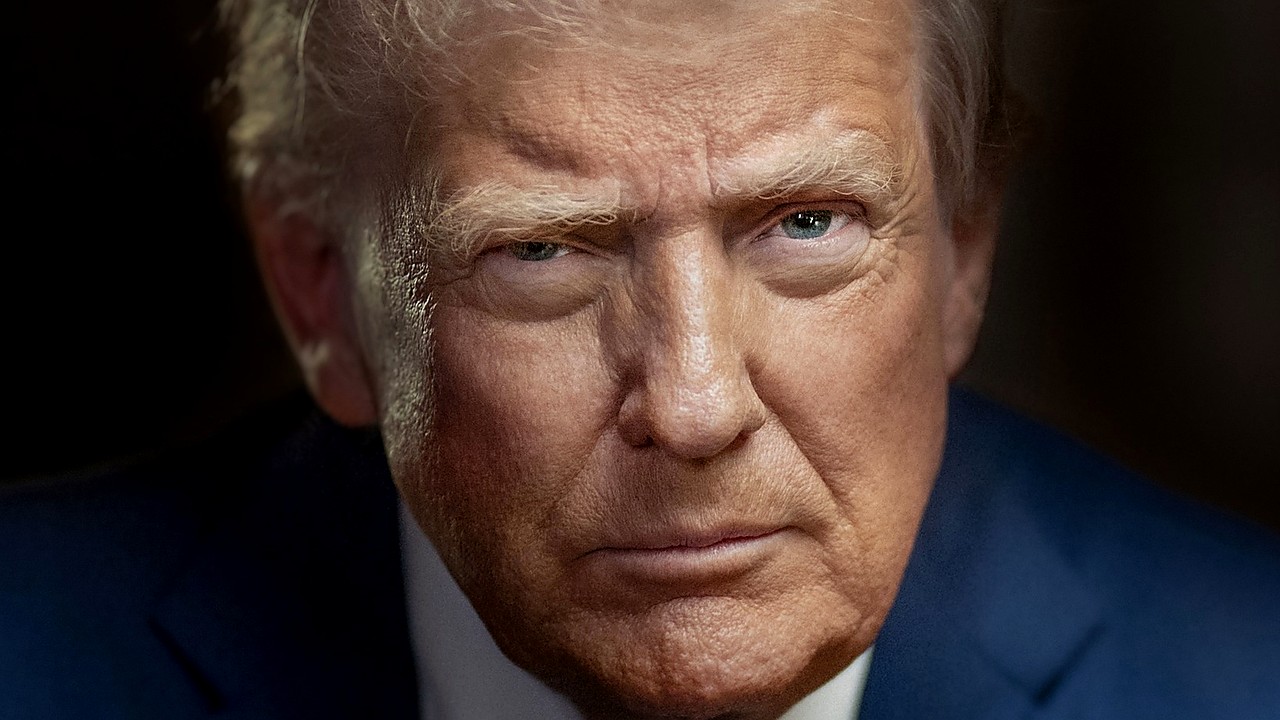
Donald Trump used the opening of his presidential library to draw a personal comparison to Theodore Roosevelt, praising the former president as a “great he-man” and suggesting the two men share a bond.
The remarks came during a lavish opening event for Trump’s library, where he spoke about Roosevelt in admiring terms while addressing supporters and guests. Trump’s comments centered on Roosevelt’s image as a forceful political figure and emphasized traits Trump portrayed as similar to his own.
The event placed Trump, now in his second term, at the center of a major ceremonial moment intended to define how his presidency will be remembered. Presidential libraries serve as public-facing monuments and research hubs that shape the narrative of an administration and, over time, influence how historians, journalists, and the public evaluate its decisions.
Trump’s decision to spotlight Roosevelt, a larger-than-life figure in American political history, underscored the kind of legacy Trump wants attached to his name. Roosevelt is commonly associated with energetic executive leadership and an outsized public persona—qualities Trump invoked as he framed his own political identity during the opening.
The opening also arrives amid heightened scrutiny of Trump’s post-return-to-office activities and the broader conduct of his administration. Recent related reporting has focused on questions surrounding records, administrative decision-making, and the ways Trump’s presidency is being documented and contested. In that context, a presidential library is not only a commemorative venue but also a focal point for debates over transparency and historical recordkeeping.
Beyond Trump’s remarks, the library opening signals the beginning of the long process of collecting, organizing, and presenting materials from his political life. The institution will become a destination for visitors seeking a curated account of his years in public office and, eventually, for researchers attempting to reconstruct events with primary sources.
What happens next will depend on how the library operates as an institution—how it presents exhibits, how it engages the public, and how it handles the stewardship of records tied to major policy and political controversies. Over time, it will also become a stage for allies and critics alike as they argue over the meaning and consequences of Trump’s presidency.
For Trump, the message at the opening was clear: he is positioning his legacy in the tradition of a strong, masculine brand of leadership he associates with Theodore Roosevelt, and he intends his library to reflect that story.