Trump Vows Strikes On Iran Bridges After Hormuz Ship Attacks
President Donald Trump threatened retaliatory U.S. strikes on Iranian infrastructure, saying the United States would destroy “one bridge or power plant” in Iran for every ship attacked in the Strait of Hormuz. The remarks added a stark new warning as tensions involving Iran and maritime security in the vital shipping corridor remain high.
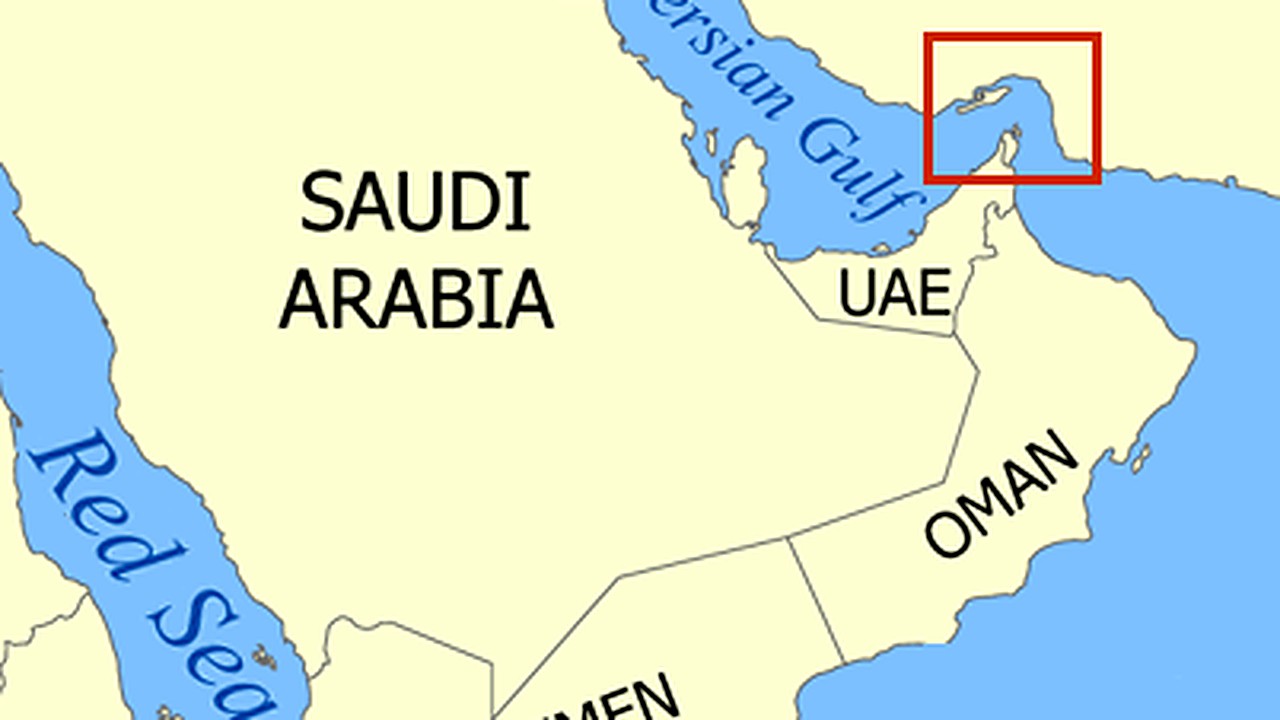
Trump’s comments, reported by multiple news outlets including PBS, The Wall Street Journal, Axios, Politico, Al Jazeera, DW and Forbes, framed a direct quid-pro-quo response tied specifically to incidents involving ships transiting the Strait of Hormuz. The narrow waterway at the mouth of the Persian Gulf is a critical route for global energy shipments and commercial maritime traffic.
In the statements described in those reports, Trump linked any prospective U.S. action to attacks attributed to Iran on vessels in the strait. The threat focused on bridges and power plants, two categories of infrastructure that can be central to civilian life and economic activity as well as military logistics.
The warning comes amid what those outlets characterized as an escalating conflict environment and an expanding set of risks in and around the strait. In that context, Trump’s language signaled a readiness to broaden the scope of U.S. targets beyond maritime responses and into strikes on land-based infrastructure.
The development matters because it raises the stakes for any confrontation involving shipping in the Strait of Hormuz, a chokepoint where disruptions can quickly reverberate across international markets and regional security calculations. By publicly naming bridges and power plants, Trump also placed emphasis on high-impact targets that would carry significant consequences if struck.
It also underscores how central maritime incidents in the strait have become to U.S.-Iran tensions. A policy framed around one-for-one retaliation could shape decisions by military commanders and diplomats, and it increases pressure on all parties operating in the waterway, including commercial shippers and allied naval forces, to prepare for rapid escalation.
What happens next will depend on whether ships in the Strait of Hormuz are attacked and how responsibility is assessed by the United States and its partners. Any further incidents involving merchant or military vessels in the corridor are likely to draw intensified scrutiny and could trigger additional U.S. warnings or moves to protect shipping.
Meanwhile, the reports indicate no sign of an immediate cooling in rhetoric. With Trump publicly outlining potential targets and consequences, the region enters the next phase of heightened alert with global shipping and energy markets watching for the next incident in one of the world’s most strategically sensitive waterways.
The message from the White House, as described in the reports, was blunt: attacks on ships in the Strait of Hormuz would be met with strikes on Iranian infrastructure.