U.S. Firms Test Chinese AI Models as OpenAI Prices Climb
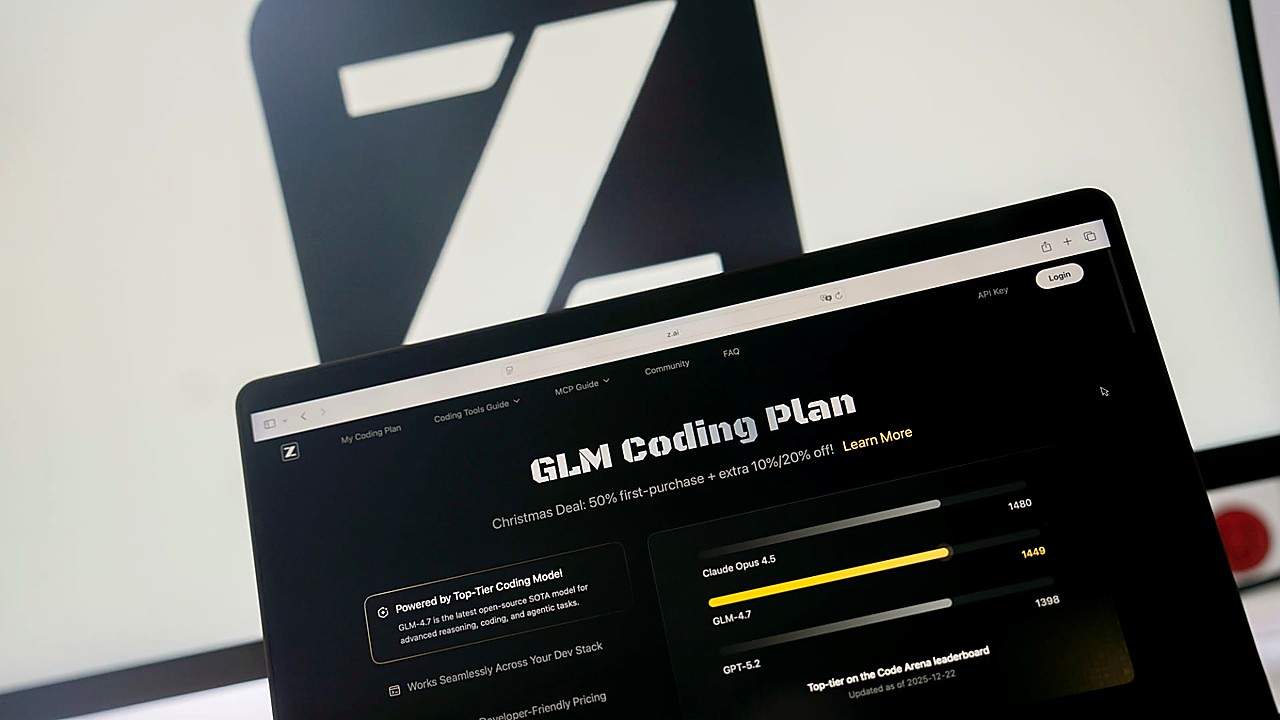
Chinese artificial intelligence models are gaining traction with U.S. companies as the cost of relying on leading U.S. model providers rises, according to a recent report by CNBC. The shift is emerging as businesses look for ways to manage AI spending while still expanding the number of products and internal tools that depend on large language models.
The development centers on enterprise customers reassessing which models they use for tasks such as generating text, summarizing documents, coding assistance, and customer support automation. The CNBC report links the growing interest in Chinese models to surging costs associated with major U.S. providers, including OpenAI and Anthropic.
U.S. companies adopting AI at scale have increasingly faced a cost-management challenge: usage grows quickly once AI tools are rolled out across teams and integrated into software. As a result, procurement decisions that once focused on model quality and ease of integration are now also being shaped by pricing, contract terms, and the ability to allocate workloads to different providers.
Another related industry theme is the rise of “model mixing,” a strategy in which companies use more than one AI model and route tasks to different systems based on cost, performance, latency, or specific capabilities. A separate report cited in digital media coverage described Uber and Microsoft as moving to control AI costs as model mixing gains ground, underscoring that large companies are treating AI model selection as a portfolio decision rather than a single-vendor commitment.
The broader significance is that changes in model selection by U.S. enterprises can reshape competitive dynamics across the AI industry. If more businesses split workloads across multiple providers, it can reduce dependence on any one model company and increase price competition. It also puts pressure on providers to offer more flexible pricing structures and clearer ways for companies to predict and manage operating costs.
This shift also matters for the pace of adoption. For many companies, AI deployment has moved beyond experimentation into ongoing operations, where budgets, auditing, and vendor management play larger roles. As AI becomes a recurring expense embedded in products and workflows, cost discipline can determine whether projects expand, stall, or get re-architected.
What happens next will likely include more formal vendor evaluations and broader testing of multiple model families inside large organizations. Companies weighing different providers are expected to focus on practical considerations such as reliability, speed, and fit for specific use cases, along with the total cost of running AI features at scale.
At the same time, U.S. model makers and platform partners face increasing incentive to sharpen enterprise offerings, from pricing and tooling to deployment options that help customers control spending without sacrificing performance.
The bottom line: as AI moves deeper into everyday business operations, cost pressures are accelerating a more competitive, multi-model market for U.S. companies.