U.S. Warships Enforce Strait Of Hormuz Blockade, Oil Flows Fall
The United States has moved to block Iran’s ports and says the blockade is now “fully implemented,” a step that has put new focus on how much traffic is still moving through the Strait of Hormuz and what early shipping numbers indicate. Initial tracking and reporting cited by major outlets show that vessel traffic through the waterway remained active as the blockade began.
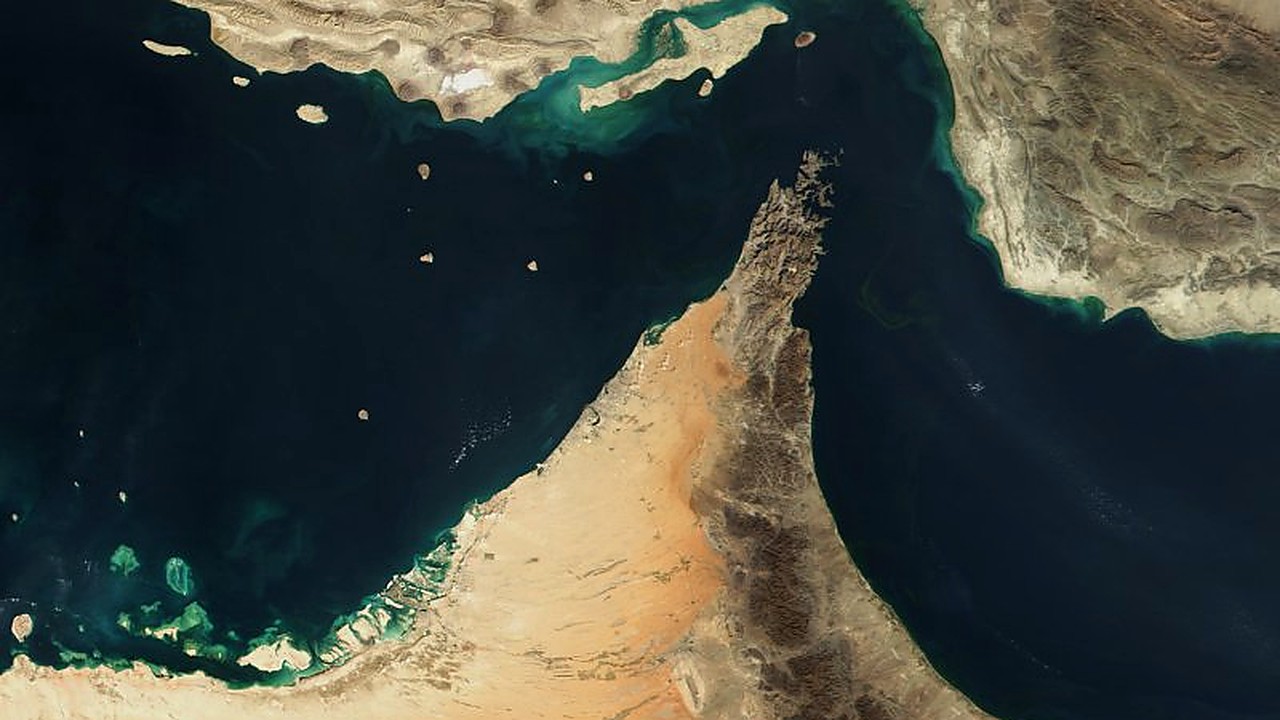
The Strait of Hormuz is the narrow maritime corridor linking the Persian Gulf to the Gulf of Oman and the Arabian Sea. It is a key route for commercial shipping, including oil tankers and other cargo vessels serving ports across the Gulf region.
In related reporting, Reuters said traffic was “barely affected” on the first day of the U.S. blockade, citing data. The BBC has separately focused on counts of ships getting through, underscoring that the question for markets and policymakers is not only what is announced, but what is happening on the water in real time.
CBS News reported that Iran claimed oil tanker transits through the strait amid the U.S. blockade on Iranian ports. Al Jazeera has also reported on how many ships have passed and how many were attacked, reflecting wider concern about whether heightened tensions could translate into disruptions or incidents along the route.
The U.S. action is paired with a tightening of pressure on Iran’s energy sector. France 24 reported the United States announced new sanctions against Iran’s oil sector, reinforcing that Washington is using a mix of maritime enforcement and financial restrictions.
This matters because the Strait of Hormuz is a chokepoint whose daily activity is closely watched by governments, shipping companies, and energy traders. When traffic levels hold steady during the opening phase of a blockade, it can shape near-term assessments of risk and operational planning. Conversely, any sustained decline in transits, delays, or reported attacks would be a warning sign for supply chains and energy flows that depend on predictable passage.
For the United States, saying the blockade is “fully implemented” signals a new phase in enforcement, raising questions about how strictly access to Iranian ports will be constrained and how that will be monitored at sea. For Iran, public claims of tanker movements are a way to project continuity even as pressure increases.
What happens next will depend on the day-to-day picture of ship movements and on further official actions. Additional reporting will likely track traffic volumes, any disruptions, and whether there are confirmed incidents involving commercial vessels. Diplomatically, CBS News reported President Donald Trump is weighing more talks with Iran even as the U.S. describes the blockade as fully implemented, suggesting parallel tracks of pressure and potential negotiation.
For now, the emerging numerical snapshots cited by major news organizations point to an early period in which ships continued to move through the Strait of Hormuz, even as U.S. enforcement and sanctions escalate.