White House Weighs Currency Swap Line With United Arab Emirates
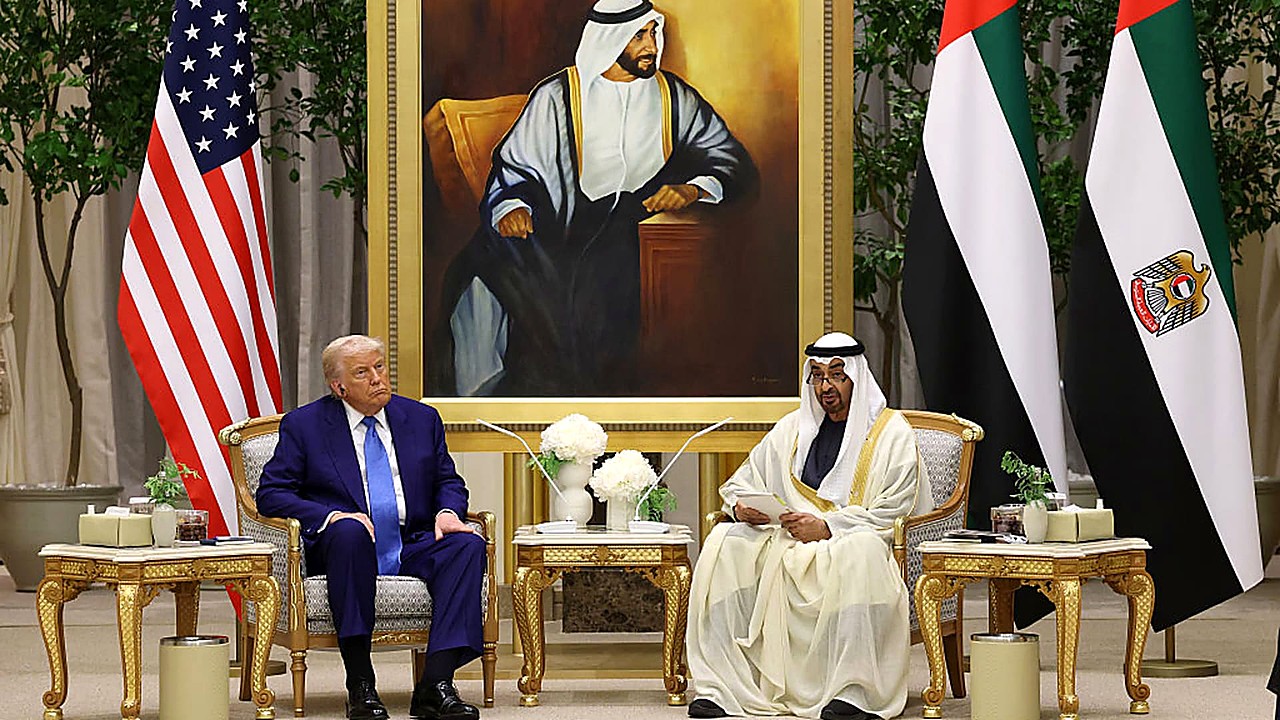
The White House is discussing a potential currency swap line with the United Arab Emirates, according to recent reports, as the administration weighs financial tools that could be used to support a key Gulf partner.
A currency swap line is a mechanism that can provide access to U.S. dollars in exchange for another currency, typically intended to bolster financial stability and ensure liquidity during periods of stress. The discussions involve the U.S. government and the UAE, with coverage from CNBC and Reuters indicating the matter is under consideration at senior levels.
Reuters reported that former President Donald Trump said a currency swap with the UAE is under consideration. Separately, Investing.com cited a White House official saying a UAE currency swap may not be needed, signaling that talks may be exploratory and that officials are assessing whether circumstances warrant such a step.
The Wall Street Journal reported that the UAE has asked the United States about a wartime financial lifeline, and other outlets, including Tempo.co English, described the U.S. as weighing a financial backstop for the UAE amid heightened regional strain. TRT World and Anadolu Ajansı reported remarks attributed to a Trump advisor and a White House economic advisor indicating U.S. openness to financial support for the UAE if a regional conflict involving Iran harms the Emirati economy.
The development matters because a swap line, or any similar backstop, is a significant signal of U.S. willingness to use financial instruments to support an ally’s economic stability. Such arrangements can also reflect the depth of bilateral coordination during periods of geopolitical stress, and they can have implications for market confidence, cross-border funding conditions, and broader regional financial resilience.
It also underscores the UAE’s importance in U.S. foreign policy in the Middle East, where economic stability and security concerns often intersect. Discussions over emergency liquidity tools can become a focal point of diplomacy, particularly when regional risks raise questions about trade flows, investment conditions, and access to funding.
What happens next is likely a continued interagency review and consultations between U.S. and Emirati officials on whether a swap line is necessary and, if so, what form it would take. Any final arrangement would typically require agreement on operational terms, including size, duration, and conditions, and would be communicated through official channels once approved.
For now, the administration’s public messaging reflects both openness to support and caution about the need for extraordinary measures, leaving the UAE swap line as a live policy option still under discussion.